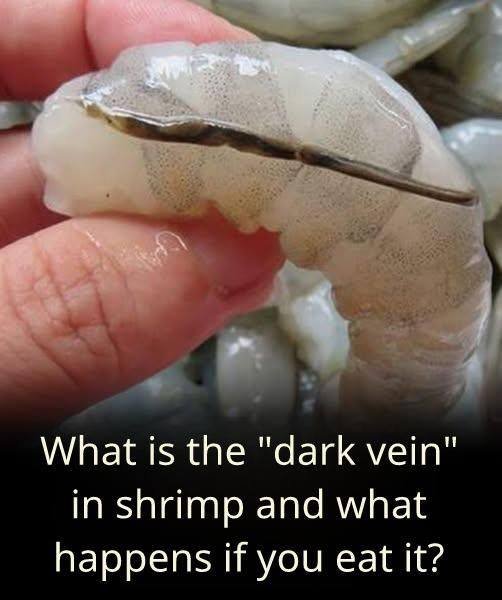
What Exactly Is the Shrimp Vein?
When people talk about the “shrimp vein”, they are usually referring to the dark digestive tract that runs along the back of the shrimp. Technically, it’s the shrimp’s intestine, which can contain sand, grit, or partially digested food.
Key Points:
-
Location:
-
Runs along the dorsal side (the back) of the shrimp.
-
Appears as a thin, dark line that is sometimes visible through the shell.
-
-
Function in the Shrimp:
-
It’s the shrimp’s digestive tract, transporting food from the mouth to the tail end.
-
In wild shrimp, it may contain remnants of sand, algae, or food particles.
-
-
Why It’s Called a “Vein”:
-
The dark color and line-like appearance make it look like a small vein running along the back, but it is not part of the circulatory system.
-
-
Do You Need to Remove It?
-
Yes, for taste and texture: The “vein” can be gritty or bitter.
-
How to remove it: This process is called deveining:
-
Make a shallow cut along the back of the shrimp with a small knife or kitchen scissors.
-
Use the tip of the knife or a toothpick to lift out the dark line.
-
Rinse under cold water.
-
-
-
Is It Safe to Eat?
-
Technically yes—cooking kills bacteria—but many people prefer to remove it for cleanliness and taste.
-
Quick Tip for Cooking:
-
Frozen shrimp often come pre-deveined, but if you buy fresh shrimp, it’s easy to remove the vein yourself in a few minutes before cooking.
-
Removing the vein also improves presentation for dishes like shrimp scampi, salads, or stir-fries.
In short: the shrimp vein is the shrimp’s intestine, not a blood vessel, and deveining it improves taste, texture, and appearance.