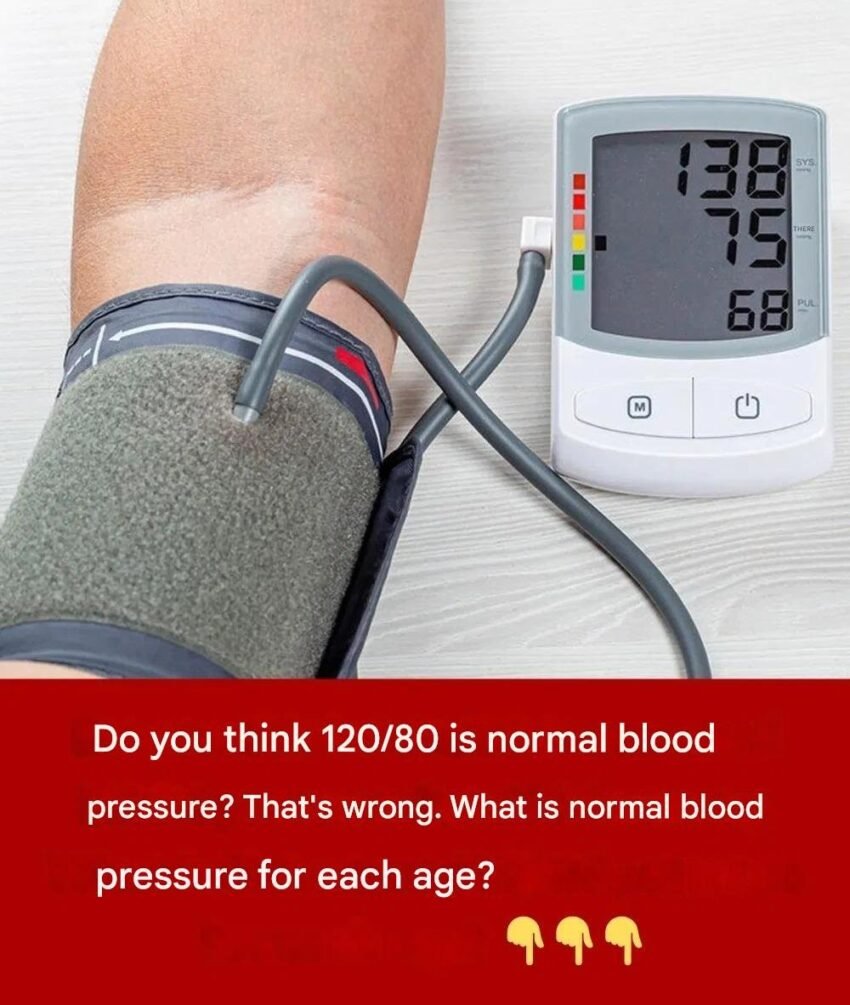
Normal Blood Pressure for Each Age Group: A Complete Guide
Wondering what normal blood pressure is for your age? Discover the healthy ranges for children, teens, adults, and seniors, plus tips to maintain optimal heart health.
Blood pressure is a key indicator of heart and overall health. Yet, many people aren’t sure what a “normal” reading should be, especially since it can vary by age. Knowing the healthy ranges helps you spot potential problems early and take steps to protect your cardiovascular system.
Here’s a comprehensive guide to normal blood pressure for every age group.
Understanding Blood Pressure
Blood pressure is measured in millimeters of mercury (mmHg) and recorded as two numbers:
-
Systolic (top number): Pressure in the arteries when the heart beats
-
Diastolic (bottom number): Pressure in the arteries when the heart rests between beats
For example, a reading of 120/80 mmHg means a systolic pressure of 120 and diastolic of 80.
Blood pressure categories (for adults):
| Category | Systolic (mmHg) | Diastolic (mmHg) |
|---|---|---|
| Normal | <120 | <80 |
| Elevated | 120–129 | <80 |
| Hypertension Stage 1 | 130–139 | 80–89 |
| Hypertension Stage 2 | ≥140 | ≥90 |
| Hypertensive Crisis | >180 | >120 |
Normal Blood Pressure by Age
1. Infants (0–12 months)
-
Systolic: 70–100 mmHg
-
Diastolic: 50–65 mmHg
Note: Blood pressure is naturally lower in babies and rises gradually as they grow.
2. Children (1–12 years)
| Age | Systolic (mmHg) | Diastolic (mmHg) |
|---|---|---|
| 1–3 years | 85–105 | 50–70 |
| 4–5 years | 90–110 | 55–75 |
| 6–9 years | 95–115 | 60–75 |
| 10–12 years | 100–120 | 60–80 |
Tip: Pediatric blood pressure varies by height percentile as well, so regular checkups are important.
3. Teenagers (13–19 years)
-
Normal: ~110–120 / 65–80 mmHg
Note: Teens can experience elevated readings due to stress, diet, or early-onset obesity. Monitoring is recommended, especially for those with family history of hypertension.
4. Adults (20–59 years)
-
Normal: 120/80 mmHg or lower
-
Elevated: 120–129 / <80 mmHg
Tip: Lifestyle factors heavily influence adult blood pressure, including:
-
Diet high in salt or processed foods
-
Physical inactivity
-
Excess alcohol consumption
-
Stress levels
Regular measurement is crucial — adults should check blood pressure at least once a year, or more often if risk factors exist.
5. Older Adults (60+ years)
-
Ideal: <130/80 mmHg (per American Heart Association)
-
Slightly higher readings are common due to stiffening arteries
Tip: Controlling blood pressure in seniors helps reduce risk of:
-
Stroke
-
Heart attack
-
Kidney disease
-
Cognitive decline
Medication, diet, and exercise are often part of managing blood pressure at this age.
Factors That Affect Blood Pressure
Blood pressure can fluctuate due to:
-
Stress or anxiety
-
Caffeine or alcohol intake
-
Time of day (lower in the morning, higher in the evening)
-
Body weight and physical activity
-
Medications (like steroids or decongestants)
How to Maintain Healthy Blood Pressure
-
Eat a balanced diet – rich in fruits, vegetables, whole grains, and low in sodium
-
Exercise regularly – aim for 150 minutes of moderate activity per week
-
Maintain a healthy weight – even modest weight loss can lower blood pressure
-
Limit alcohol and quit smoking
-
Manage stress – meditation, yoga, or deep-breathing exercises
-
Monitor regularly – home monitors can help track trends
Mini Case Scenario
Jessica, 45, noticed occasional headaches and dizziness. Her blood pressure measured 135/85 mmHg — Stage 1 hypertension. By adopting a heart-healthy diet, walking daily, and reducing stress, her blood pressure gradually returned to 120/78 mmHg. Early monitoring prevented complications later in life.
Blood pressure norms vary across life stages, from infants to older adults. Regular monitoring, combined with lifestyle choices, is the best strategy to prevent heart disease, stroke, and kidney issues.
Remember: Maintaining blood pressure within normal ranges is a lifelong investment in your heart, brain, and overall health.