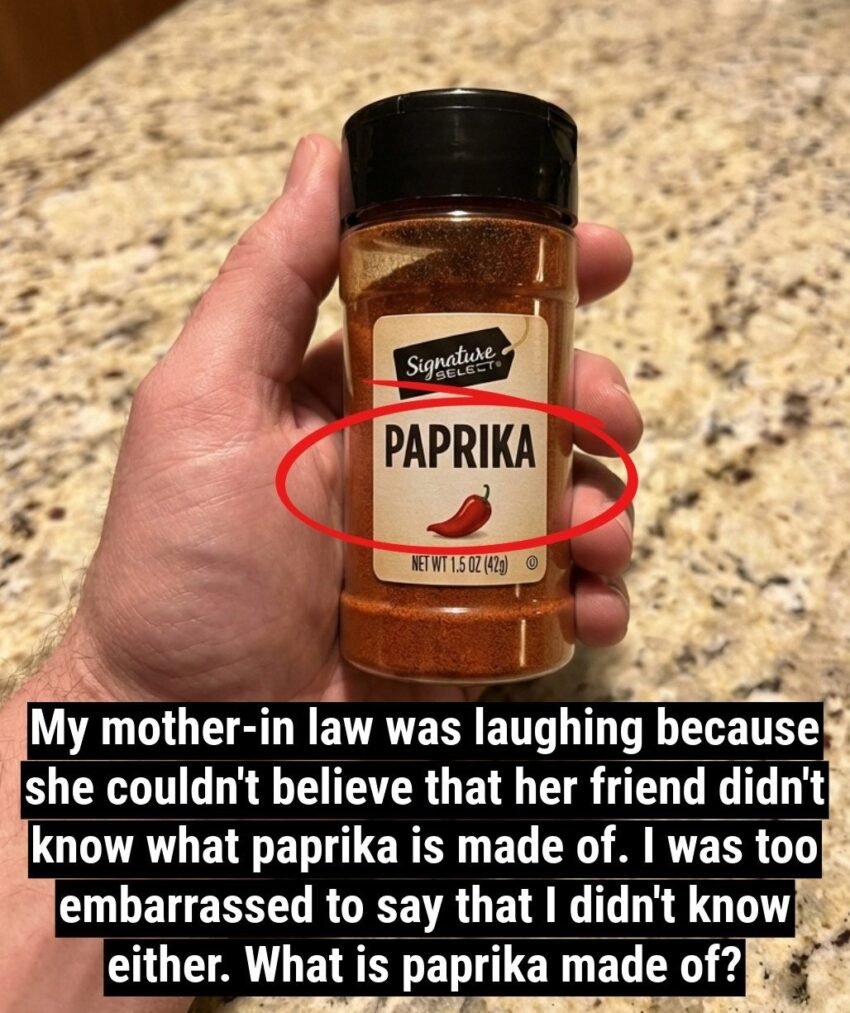
What Is Paprika Made Of? The Complete Guide to This Flavorful Red Spice
Discover what paprika is made of, how it’s produced, the different types, and how Americans use it in cooking. A complete guide to this vibrant kitchen staple.
The Bright Red Spice Sitting in Millions of American Kitchens
Open almost any spice rack in the United States and you’ll likely see a small jar labeled paprika.
It’s bright red.
It’s mild, smoky, or sometimes slightly sweet.
And it appears everywhere—from deviled eggs to barbecue rubs.
But here’s something surprising:
Many people cook with paprika for years without actually knowing what it’s made of.
Is it a blend of spices?
Is it a type of chili powder?
Is it spicy?
The truth is simpler—and more interesting—than most people expect.
Paprika is made from dried and ground peppers, but the exact peppers and the way they’re processed can dramatically change the flavor.
In this guide, you’ll learn:
-
Exactly what paprika is made from
-
How paprika is produced step by step
-
The different types used in American kitchens
-
Why paprika tastes different depending on where it comes from
-
How to choose the best paprika for cooking
By the end, you’ll understand why this humble red spice has become one of the most widely used seasonings in the world.
What Paprika Is Made Of
At its core, paprika is made from dried peppers that belong to the Capsicum annuum family.
These peppers are closely related to:
-
Bell peppers
-
Chili peppers
-
Poblano peppers
-
Cayenne peppers
However, the peppers used for paprika are usually milder and sweeter than typical hot chilies.
The Basic Ingredients
Paprika generally contains only one ingredient:
-
Ground dried peppers
That’s it.
Unlike spice blends such as chili powder, traditional paprika does not include additional spices like cumin, garlic, or oregano.
However, different varieties may use different pepper types, which changes the flavor.
The Types of Peppers Used to Make Paprika
The peppers used for paprika are often called paprika peppers.
These peppers are bred specifically for:
-
Rich red color
-
Mild sweetness
-
Thin skins ideal for drying
Some common varieties include:
-
Sweet red peppers
-
Mild chili peppers
-
Long red Hungarian peppers
In some regions, a small amount of hotter pepper is added to create spicier paprika varieties.
How Paprika Is Made (Step-by-Step Process)
Producing paprika is a surprisingly careful process.
1. Growing the Peppers
Paprika peppers grow best in warm climates with plenty of sunlight.
Major producing regions include:
-
Hungary
-
Spain
-
California
-
South America
Farmers harvest the peppers once they reach a deep red color, which indicates peak sweetness.
2. Drying the Peppers
After harvesting, peppers must be dried.
There are several methods:
-
Sun drying
-
Air drying
-
Smoke drying (for smoked paprika)
Drying removes moisture and intensifies the pepper’s flavor.
3. Removing Seeds and Stems
In many traditional methods, stems and sometimes seeds are removed before grinding.
This step helps control:
-
bitterness
-
heat level
-
texture
4. Grinding Into Powder
Once dried, peppers are ground into a fine red powder.
Modern spice companies use specialized mills to create a consistent texture.
5. Packaging
Finally, paprika is sealed into jars or spice containers to protect it from:
-
air
-
moisture
-
light
These elements can cause paprika to lose flavor over time.
The Three Most Common Types of Paprika
Not all paprika tastes the same.
In fact, there are three main styles used in American cooking.
1. Sweet Paprika
This is the most common paprika sold in U.S. grocery stores.
Flavor profile:
-
Mild
-
Slightly sweet
-
No noticeable heat
Best uses:
-
Deviled eggs
-
Potato salad
-
Chicken seasoning
-
Garnish on soups
Sweet paprika adds color more than spice.
2. Smoked Paprika
Smoked paprika has become extremely popular in American kitchens.
It’s made by drying peppers over wood smoke before grinding.
Flavor profile:
-
Smoky
-
Deep and rich
-
Slightly earthy
Common in:
-
BBQ rubs
-
Roasted vegetables
-
Grilled meats
-
Spanish dishes
This variety can completely change the flavor of a recipe.
3. Hot Paprika
Hot paprika contains peppers with more natural heat.
Flavor profile:
-
Spicy
-
Sharp
-
Peppery
It’s commonly used in:
-
stews
-
chili
-
meat marinades
However, it’s still much milder than cayenne pepper.
Paprika Around the World
Paprika may be simple, but it has deep cultural roots.
Hungary
Hungary is famous for its paprika.
Traditional Hungarian cuisine uses it in dishes like:
-
goulash
-
chicken paprikash
Hungarian paprika is known for its complex sweetness and vibrant color.
Spain
Spanish paprika, called pimentón, often has a smoky flavor.
It’s essential in dishes like:
-
paella
-
chorizo sausage
United States
In the U.S., paprika became popular in the early 1900s and is now a staple spice in:
-
Southern cooking
-
barbecue rubs
-
classic American appetizers
Why Paprika Is Used So Often
Paprika has three qualities chefs love.
1. Color
Its deep red pigment instantly makes dishes more visually appealing.
You’ll often see it sprinkled on top of:
-
deviled eggs
-
macaroni salad
-
creamy dips
2. Mild Flavor
Unlike strong spices, paprika enhances dishes without overpowering them.
3. Versatility
Paprika works in:
-
meat rubs
-
soups
-
sauces
-
vegetables
-
rice dishes
It’s one of the most flexible spices in cooking.
How to Choose High-Quality Paprika
Not all paprika is created equal.
To get the best flavor, look for:
1. Bright color
Fresh paprika should be deep red, not dull brown.
2. Fresh aroma
Good paprika smells sweet and slightly peppery.
3. Proper storage
Buy spices from stores with high turnover.
Paprika typically keeps its best flavor for 6–12 months.
Common Beginner Mistakes With Paprika
Many home cooks unknowingly misuse paprika.
Here are a few common mistakes.
Cooking It Too Long
Paprika can burn easily if heated in oil too long.
Add it toward the end of cooking when possible.
Using Old Paprika
Old paprika loses both color and flavor.
If your spice looks faded, it’s probably time to replace it.
Assuming All Paprika Is the Same
Sweet paprika and smoked paprika produce very different results.
Always check the label before cooking.
Simple Ways to Use Paprika at Home
If you want to experiment with paprika, try these easy ideas.
Sprinkle on:
-
roasted potatoes
-
scrambled eggs
-
popcorn
-
grilled chicken
Or mix it into:
-
dry rubs
-
salad dressings
-
creamy dips
Even a small amount can enhance a dish.
Frequently Asked Questions
Is paprika spicy?
Most paprika sold in the U.S. is mild and not spicy.
However, hot paprika varieties can have noticeable heat.
Is paprika the same as chili powder?
No.
Chili powder is a spice blend that often contains:
-
cumin
-
garlic powder
-
oregano
Paprika is simply ground peppers.
What does paprika taste like?
Flavor depends on the variety, but it’s usually:
-
mild
-
slightly sweet
-
gently earthy
Smoked paprika adds a strong smoky taste.
Is paprika healthy?
Paprika contains small amounts of nutrients such as:
-
vitamin A
-
antioxidants
However, because it’s used in small quantities, it’s mainly valued for flavor.
Why is paprika red?
Paprika peppers contain natural pigments called carotenoids, which produce the vibrant red color.
Can paprika go bad?
Paprika doesn’t spoil quickly but loses flavor over time.
For best taste, replace it every year.
Can paprika replace chili powder?
Not exactly. Paprika lacks the additional spices found in chili powder.
However, it can still add color and mild flavor.
What dishes use paprika the most?
Some popular dishes include:
-
goulash
-
deviled eggs
-
roasted chicken
-
barbecue rubs
Quick Paprika Cooking Checklist
Before using paprika in a recipe, remember:
✔ Choose the right type (sweet, smoked, or hot)
✔ Store it in a cool, dark place
✔ Replace old paprika yearly
✔ Add it near the end of cooking to avoid burning
✔ Use it to enhance both flavor and color
Paprika may seem like a simple spice, but it carries a rich history and surprising versatility.
At its heart, it’s made from dried and finely ground peppers, carefully processed to preserve their color and flavor.
Depending on the variety, paprika can be:
-
sweet
-
smoky
-
mildly spicy
That’s why it appears in everything from classic American comfort food to traditional European recipes.
Next time you reach for that bright red jar in your spice rack, you’ll know exactly what’s inside—and how to use it to bring more flavor to your cooking.
If you enjoy learning about everyday kitchen ingredients, share this article with a fellow food lover or leave a comment about your favorite way to use paprika.