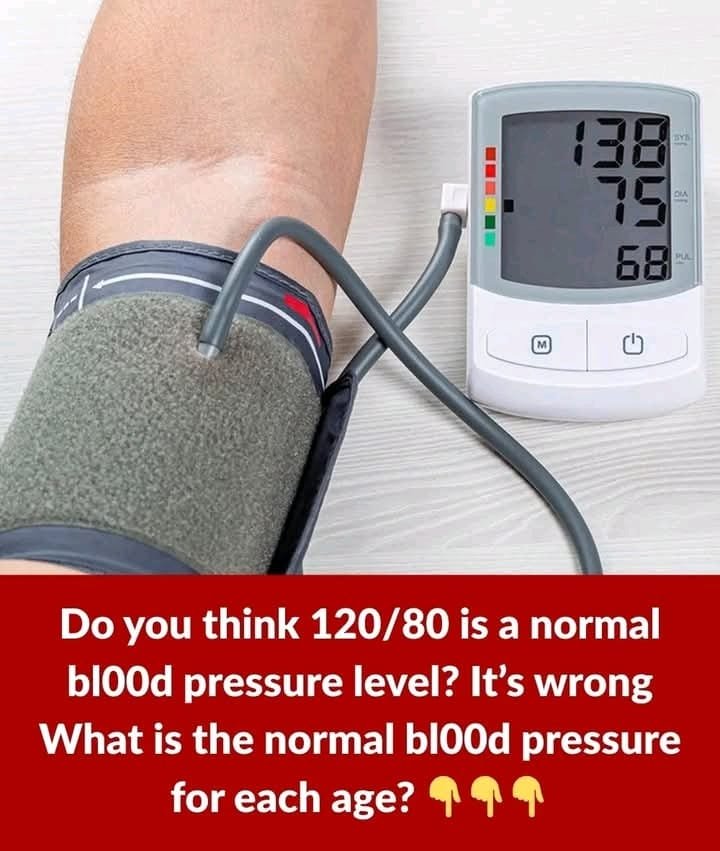
What Is the Normal Blood Pressure for Each Age: A Complete Guide
Understand normal blood pressure ranges by age. Learn how blood pressure changes over time and tips to maintain heart health naturally.
Blood pressure is a key indicator of heart health, and knowing what’s considered “normal” at different ages can help prevent complications like heart disease, stroke, and kidney problems.
But blood pressure isn’t a one-size-fits-all number — it changes naturally with age, lifestyle, and health conditions.
Here’s a comprehensive guide to understanding normal blood pressure for each age group, plus tips for maintaining healthy readings.
What Is Blood Pressure?
Blood pressure measures the force of blood pushing against the walls of your arteries.
-
Systolic pressure (top number): Pressure when the heart beats
-
Diastolic pressure (bottom number): Pressure when the heart rests between beats
A normal reading is usually around 120/80 mmHg, but age and other factors influence what’s healthy.
Normal Blood Pressure by Age
| Age Range | Normal Systolic (Top) | Normal Diastolic (Bottom) |
|---|---|---|
| Children (1–12 years) | 90–110 | 55–75 |
| Teenagers (13–19 years) | 110–120 | 65–80 |
| Adults (20–39 years) | 110–120 | 70–80 |
| Adults (40–59 years) | 120–130 | 75–85 |
| Adults 60+ | 120–140 | 70–90 |
⚠️ Note: These ranges are general guidelines. Individual factors such as weight, activity level, stress, and medical conditions can shift what’s normal.
Why Blood Pressure Changes With Age
-
Artery Stiffness – As we age, arteries naturally become less flexible, slightly increasing systolic pressure.
-
Lifestyle Factors – Diet, exercise, alcohol, smoking, and stress influence blood pressure.
-
Hormonal Changes – Changes in hormones can affect blood vessel health and fluid balance.
-
Medical Conditions – Diabetes, kidney disease, and cardiovascular issues can alter readings.
Signs You Might Have High or Low Blood Pressure
High Blood Pressure (Hypertension) Symptoms:
-
Headaches
-
Dizziness
-
Blurred vision
-
Shortness of breath
Low Blood Pressure (Hypotension) Symptoms:
-
Fatigue or weakness
-
Lightheadedness
-
Fainting
-
Cold or clammy skin
Many people with high blood pressure don’t show symptoms — that’s why regular monitoring is crucial.
Tips to Maintain Healthy Blood Pressure
-
Eat a Heart-Healthy Diet
-
Focus on fruits, vegetables, whole grains, lean proteins, and low sodium.
-
-
Stay Physically Active
-
Aim for at least 150 minutes of moderate exercise per week.
-
-
Maintain a Healthy Weight
-
Excess weight can increase blood pressure.
-
-
Limit Alcohol and Avoid Smoking
-
Both can contribute to high blood pressure.
-
-
Manage Stress
-
Techniques like meditation, deep breathing, and yoga can help.
-
-
Regular Checkups
-
Monitor your blood pressure at home and during routine doctor visits.
-
When to See a Doctor
-
Blood pressure consistently above 140/90 mmHg
-
Sudden changes in readings
-
Symptoms like chest pain, severe headache, or dizziness
Early intervention can prevent complications and maintain long-term heart health.
Real-Life Scenario
John, 55, noticed his blood pressure creeping up to 135/85 mmHg. By improving his diet, walking 30 minutes daily, and reducing stress, he lowered it to 120/78 mmHg within a few months — right within the normal adult range for his age.
Even small lifestyle adjustments can make a big difference.
FAQs
1. Does normal blood pressure vary by gender?
Yes, women often have slightly lower blood pressure than men before menopause. After menopause, levels may rise.
2. How often should adults check blood pressure?
At least once a year, or more often if you have risk factors.
3. Can high blood pressure occur without symptoms?
Absolutely. Hypertension is often called the “silent killer” because many people don’t notice it.
4. Is 140/90 always high for older adults?
Slightly elevated systolic pressure may be normal in older adults, but lifestyle management is still recommended.
5. Can diet alone control blood pressure?
Diet helps a lot, but combining with exercise, hydration, and stress management is more effective.
Blood pressure naturally changes with age, but staying within healthy ranges is key to preventing heart disease, stroke, and kidney problems.
-
Monitor regularly
-
Adopt heart-healthy habits
-
Take action if readings consistently fall outside recommended ranges
Your heart works every day — give it the care it deserves.