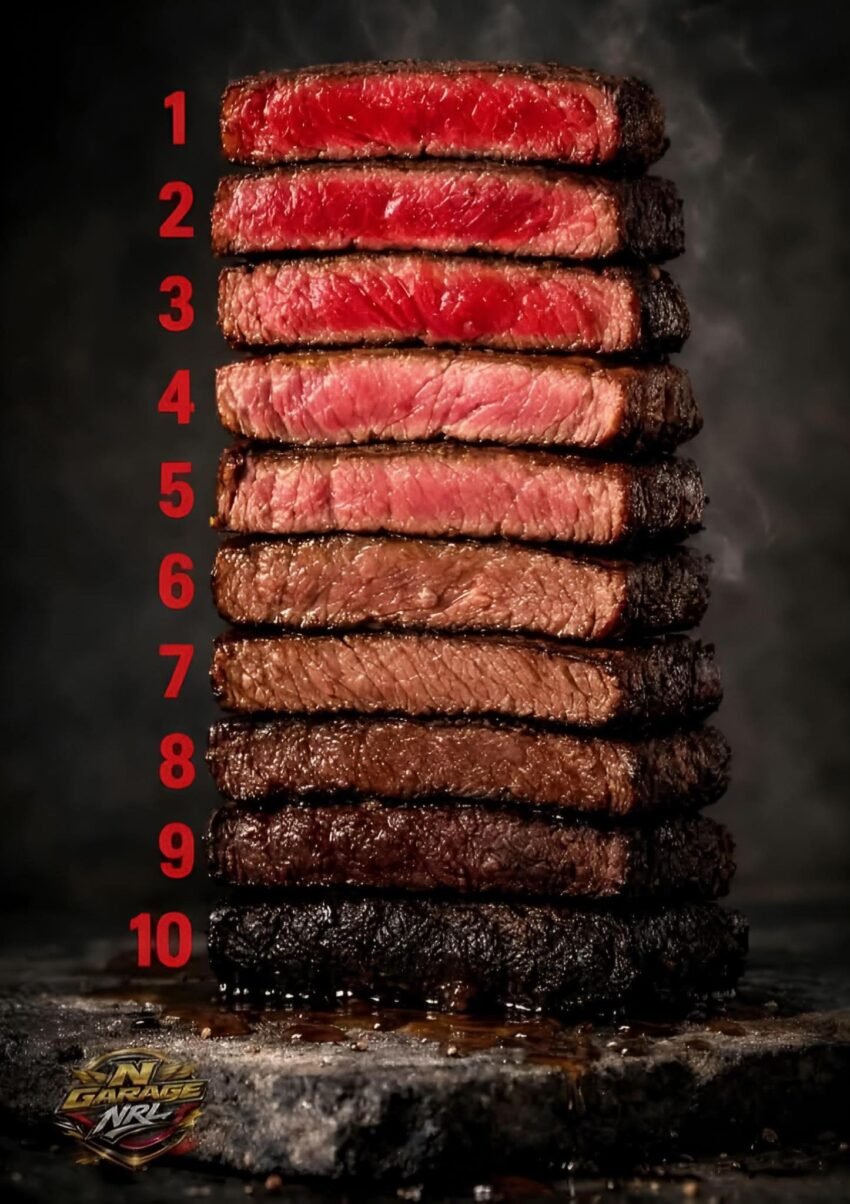
What’s the Best Cooking State of Steak? A Complete Guide to Choosing Your Perfect Doneness
Discover the best steak doneness—from rare to well-done. Learn how to choose, cook, and enjoy steak like a pro with expert tips and real examples.
The Steak Question That Divides Every Table
You sit down at a steakhouse somewhere in the United States—maybe in Dallas, Chicago, or New York.
The server asks:
“How would you like your steak cooked?”
Suddenly, it’s not a simple meal anymore—it’s a decision.
Rare? Medium? Well-done?
Everyone has an opinion. Some swear by pink, juicy centers. Others won’t touch anything that isn’t fully cooked through.
So what’s the truth?
What is actually the best cooking state of steak?
The honest answer:
👉 It depends on your taste—but there is a scientifically and culinary “optimal range” that most experts agree on.
Let’s break it down in a way that’s practical, honest, and grounded in real cooking experience.
Understanding Steak Doneness (The Basics You Need First)
Before choosing what’s “best,” you need to understand the levels.
Steak Doneness Chart
| Doneness | Internal Temp (°F) | Texture | Center Color |
|---|---|---|---|
| Rare | 120–125°F | Very soft | Cool red |
| Medium Rare | 130–135°F | Tender | Warm red |
| Medium | 140–145°F | Firm | Pink |
| Medium Well | 150–155°F | Slightly firm | Slight pink |
| Well Done | 160°F+ | Firm | Brown |
So… What’s the Best Cooking State?
👉 For most people—and almost all chefs—the answer is: Medium Rare.
Why?
Because it hits the perfect balance between:
-
Juiciness
-
Flavor
-
Tenderness
-
Texture
It’s not undercooked. It’s not dry.
It’s where steak performs at its absolute best.
Why Medium Rare Is Considered the Gold Standard
1. Maximum Juiciness
When steak cooks, it loses moisture.
-
Overcooking = more juice loss
-
Medium rare = moisture stays locked in
That’s why every bite feels rich and satisfying.
2. Best Flavor Development
At medium rare:
-
The outer crust develops through the Maillard reaction (that delicious browning)
-
The inside stays tender and flavorful
You get contrast, which is key to great food.
3. Ideal Texture
Too rare = mushy
Too well-done = tough
Medium rare = perfectly tender with structure
4. Chef Preference (Real-World Insight)
Walk into most American steakhouses and ask the chef.
They’ll almost always recommend:
👉 Medium rare (or sometimes medium, depending on the cut)
When Medium Rare Is NOT the Best Choice
Let’s be real—there are exceptions.
1. Thinner Cuts
Thin steaks cook too quickly.
👉 Better option: Medium
2. Fatty Cuts (Like Ribeye)
These can taste better slightly more cooked.
👉 Best range: Medium rare to medium
Why?
Because fat needs time to render.
3. Ground Beef (Safety Matters)
For burgers:
👉 Always cook to at least medium
4. Personal Preference
If you love well-done steak, that’s valid.
But understand the trade-off:
-
Less juice
-
More chewiness
Real-Life Scenarios (U.S. Dining Context)
Steakhouse Dinner in Texas
You order a ribeye.
👉 Best choice: Medium rare
Why: Keeps it juicy while melting fat.
Backyard BBQ in California
You’re grilling for friends.
👉 Best approach: Offer medium rare + medium options
Covers most preferences.
Quick Weeknight Steak at Home
You’re cooking fast.
👉 Best choice: Medium
More forgiving if slightly overcooked.
How to Cook the Perfect Medium Rare Steak (Step-by-Step)
Step 1: Bring Steak to Room Temperature
Take it out 20–30 minutes before cooking.
Step 2: Season Generously
Salt + pepper is enough.
Step 3: Use High Heat
You want a strong sear.
Step 4: Sear Both Sides
-
3–4 minutes per side (depending on thickness)
Step 5: Check Temperature
Use a meat thermometer:
👉 Target: 130–135°F
Step 6: Let It Rest
Rest for 5–10 minutes.
This redistributes juices.
Common Steak Mistakes (And How to Avoid Them)
1. Cutting Too Early
Juices escape → dry steak
👉 Always rest it.
2. Overcooking “Just in Case”
Fear ruins more steaks than anything else.
👉 Use a thermometer instead.
3. Low Heat Cooking
No crust = no flavor
👉 High heat is essential.
4. Skipping Seasoning
Steak needs salt to shine.
Pros and Cons of Each Doneness Level
Rare
Pros:
-
Extremely juicy
-
Soft texture
Cons:
-
Too raw for many people
Medium Rare (Best Overall)
Pros:
-
Balanced
-
Flavorful
-
Tender
Cons:
-
Slightly intimidating for beginners
Medium
Pros:
-
Safer feel
-
Still somewhat juicy
Cons:
-
Starting to lose tenderness
Well Done
Pros:
-
Fully cooked
Cons:
-
Dry
-
Tough
-
Less flavor
Expert Tips Most People Don’t Know
-
Carryover cooking matters: Steak continues cooking after removal
-
Thickness changes everything: Thicker steaks are easier to cook perfectly
-
Butter basting adds richness: Especially for medium rare
-
Use touch test: Soft = rare, firm = well-done
2026 Trend: Smarter Home Cooking
In the U.S., more home cooks are using:
-
Digital meat thermometers
-
Cast iron pans
-
Reverse searing techniques
Why?
Because people want restaurant-quality steak at home.
Mini Case Example
A home cook in Chicago kept overcooking steaks.
What changed?
-
Started using a thermometer
-
Pulled steak at 130°F
-
Let it rest properly
Result:
👉 Juicier, more flavorful steak every time
FAQs (People Also Ask)
1. Is medium rare steak safe?
Yes, for whole cuts of beef.
2. Why do chefs prefer medium rare?
It preserves flavor, moisture, and texture.
3. What if I don’t like pink steak?
Go for medium—it’s a good compromise.
4. Does steak continue cooking after removal?
Yes—this is called carryover cooking.
5. What’s the juiciest steak doneness?
Medium rare.
6. Can you fix overcooked steak?
Not fully—but sauces or slicing thin can help.
7. Is rare steak raw?
Not exactly—it’s cooked but lightly.
8. What’s the best doneness for beginners?
Medium—it’s more forgiving.
Action Checklist: Cook Steak Like a Pro
-
✔ Choose the right cut
-
✔ Use high heat
-
✔ Aim for 130–135°F
-
✔ Let it rest
-
✔ Slice against the grain
Conclusion: It’s About Balance, Not Perfection
The best steak isn’t about following rules blindly.
It’s about understanding what makes steak great:
-
Juiciness
-
Flavor
-
Texture
And for most people, medium rare delivers all three better than any other doneness.
👉 Medium rare is the best cooking state of steak for flavor, tenderness, and overall experience—but the “right” choice is the one you enjoy most.
Your turn:
How do you like your steak—and has this changed your perspective? Share your go-to doneness and why!