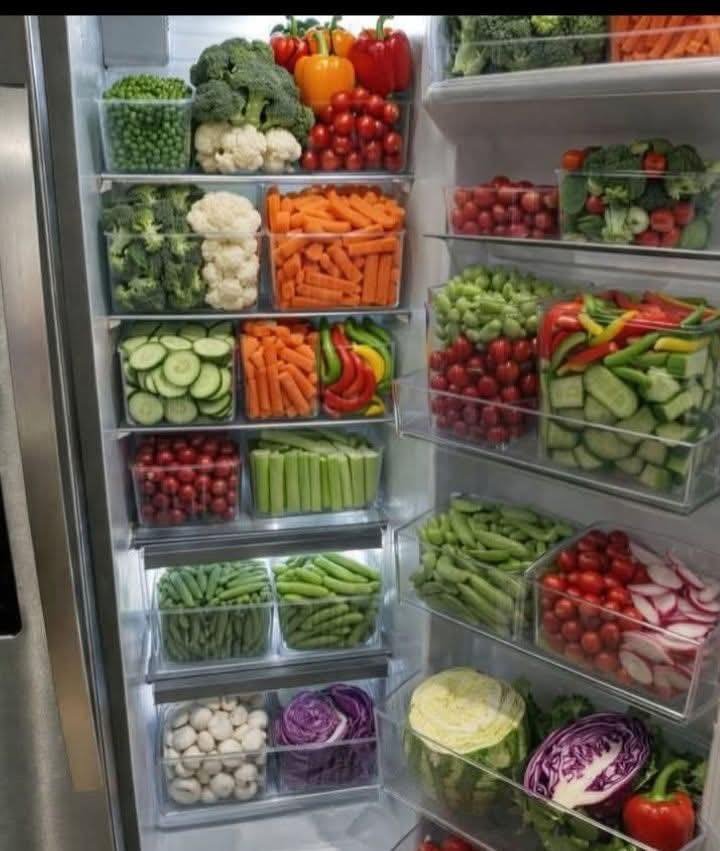
What’s the First Thing You Think of When You See This Fridge? Too Many Vegetables?
Overstuffed with veggies? Learn how to organize your fridge, reduce waste, and make healthy eating enjoyable without feeling overwhelmed.
The Overloaded Fridge Problem
You open your fridge, and—wow—it’s jam-packed with fresh produce. Leafy greens in one drawer, peppers stacked in another, zucchini leaning precariously against a container of carrots. You love healthy eating, but now it feels overwhelming.
If this sounds familiar, you’re not alone. Millions of Americans stock up on vegetables for health, meal prep, or family meals—but the sheer volume can cause stress, waste, and even food spoilage.
Why Too Many Vegetables Can Be a Problem
Having a fridge overloaded with vegetables may seem like a blessing, but it comes with challenges:
- Food waste – Items get forgotten and spoil before use.
- Clutter stress – A messy fridge can make meal prep harder.
- Nutritional imbalance – You may focus on veggies but neglect proteins or grains.
- Time lost – Digging through piles of produce to find what you need.
Practical Tips for Managing a Veggie-Filled Fridge
1. Organize by Type
- Leafy greens: Store in airtight containers with a paper towel to absorb moisture.
- Root vegetables: Keep in drawers or baskets away from light.
- Herbs: Store like flowers in a jar of water, loosely covered with a bag.
2. Plan Your Meals Around Fresh Produce
- Use a 3-day or weekly rotation for meal prep.
- Incorporate quick recipes like stir-fries, soups, or salads to use up veggies.
3. Freeze Extra Produce
- Chop and freeze veggies like bell peppers, spinach, or broccoli.
- Great for smoothies, soups, or quick stir-fries later.
4. Make Pickles or Fermented Veggies
- Cucumbers, carrots, and cabbage are perfect for easy DIY pickling.
- Adds variety and extends shelf life.
5. Visual Inventory
- Keep a whiteboard or note on the fridge listing what you have.
- Helps you plan meals before vegetables go bad.
Real-Life Scenario: The Busy Family Fridge
Imagine a U.S. family of four. They love fresh veggies but grocery shop every weekend. By Wednesday, some leafy greens are wilted, peppers are softening, and half the carrots are lost behind containers.
Solution: They reorganize the fridge, plan meals around produce, and freeze extra items. Result? Less waste, easier meal prep, and a healthier approach to eating vegetables.
Pros and Cons of Having a Veggie-Heavy Fridge
Pros
- Encourages healthy eating
- Supports meal prep and cooking variety
- Boosts fiber, vitamins, and minerals intake
Cons
- Risk of food spoilage
- Clutter and visual overwhelm
- Can make finding other groceries harder
Expert Tips to Reduce Veggie Overload Stress
- Rotate produce by freshness: Use the oldest first.
- Label containers: Date each item for easier tracking.
- Invest in clear bins: Helps you see everything at a glance.
- Batch prep: Wash and chop vegetables immediately for easier use.
- Balance with proteins and grains: Keeps meals complete.
2026 Trend: Mindful Fridge Organization
Across the U.S., health-conscious families are turning to smart fridge organization:
- Transparent storage bins for easy visibility
- Meal prep routines that minimize waste
- Tech apps to track expiration dates and shopping lists
The goal: enjoy a veggie-rich diet without stress or clutter.
FAQs (People Also Ask)
1. Can I store all vegetables together?
No—different types have varying moisture and temperature needs.
2. How long do leafy greens last?
Typically 5–7 days in airtight containers with paper towels.
3. Should I wash vegetables before storing?
Wash hard vegetables; leafy greens are best washed before use to prevent spoilage.
4. Can I freeze vegetables raw?
Most can be frozen raw after chopping; blanching may preserve texture for some types.
5. How do I prevent vegetables from wilting?
Use airtight containers, proper temperature, and moisture-absorbing paper towels.
6. Are fridge drawers better than shelves?
Drawers help regulate humidity for specific vegetables, extending freshness.
Action Checklist for a Veggie-Friendly Fridge
- ✔ Organize by type and freshness
- ✔ Use clear storage containers
- ✔ Plan meals around vegetables
- ✔ Freeze or pickle extras
- ✔ Track inventory visually or digitally
- ✔ Wash and prep vegetables efficiently
Final Thoughts: Love Your Veggies Without the Stress
An overloaded fridge doesn’t have to be a source of frustration. With organization, meal planning, and smart storage, you can enjoy all the benefits of a veggie-rich diet without feeling overwhelmed.
Too many vegetables? It’s a good problem to have if managed correctly. Plan, organize, and rotate your produce—and you’ll turn fridge chaos into healthy, stress-free eating.
Your Turn
How do you handle a fridge full of vegetables? Share your tips, hacks, or favorite meal ideas in the comments—and help others tame their veggie overload!