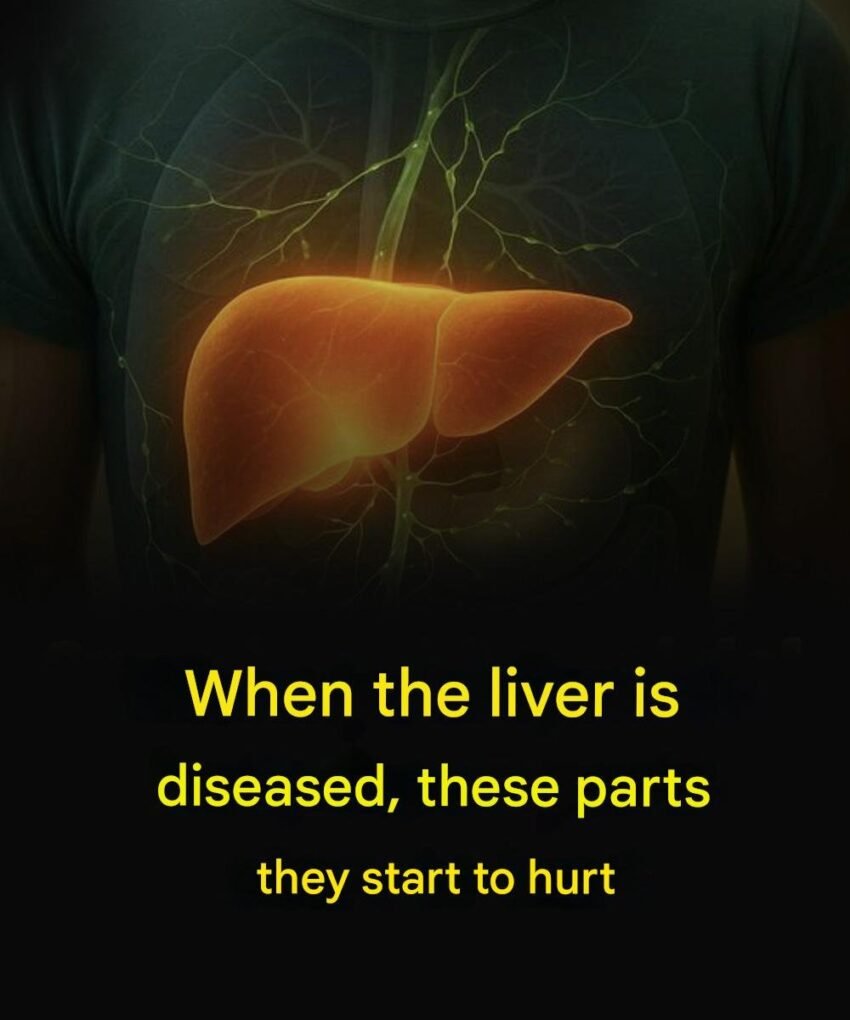
When the Liver Is Diseased, These Parts Begin to Hurt — What Doctors Want You to Know
Learn which body parts signal liver problems. Early recognition of liver-related pain can help prevent serious complications and support better health.
Why Liver Pain Can Be Tricky
The liver is a large, vital organ that filters toxins, produces bile, regulates metabolism, and supports digestion.
The challenge: liver pain isn’t always felt directly at the liver. Because of nerve pathways and systemic effects, problems often show up as discomfort or pain in seemingly unrelated areas.
Recognizing these signals early is crucial for preventing serious liver disease.
1. Upper Right Abdomen
-
Classic liver pain appears just below the right rib cage.
-
Feels like dull pressure, fullness, or mild stabbing.
-
Pain may worsen after large or fatty meals.
2. Right Shoulder or Shoulder Blade
-
Liver inflammation or enlargement can irritate the phrenic nerve, which connects the diaphragm to the shoulder.
-
People often report aches in the right shoulder blade with liver disease.
3. Upper Back
-
Some individuals feel upper back stiffness or dull ache near the right side.
-
Pain can radiate due to visceral nerve pathways.
4. Abdomen or Midsection
-
Liver problems can cause bloating, gas, and discomfort in the central or upper abdomen.
-
Often accompanied by indigestion or nausea.
5. Legs and Feet (Indirect Effects)
-
Advanced liver disease can lead to fluid retention (edema) in the legs, feet, or ankles.
-
Swelling may create heaviness, soreness, or cramping.
6. Whole-Body Fatigue and Muscle Aches
-
Liver dysfunction reduces detoxification and energy metabolism.
-
Muscle aches, weakness, and generalized discomfort are common.
Warning Signs Accompanying Liver Pain
-
Yellowing of the skin or eyes (jaundice)
-
Dark urine or pale stools
-
Unexplained nausea, vomiting, or loss of appetite
-
Swelling in abdomen (ascites)
-
Easy bruising or bleeding
What to Do If You Notice These Signs
-
See a doctor promptly – early liver disease is easier to manage.
-
Blood tests – ALT, AST, bilirubin, and alkaline phosphatase can detect liver function issues.
-
Imaging tests – Ultrasound or CT scans may be recommended for liver structure assessment.
-
Lifestyle adjustments – Reduce alcohol, maintain healthy weight, and follow a liver-friendly diet.
Real-Life Scenario
James, 56, experienced mild upper right back pain and shoulder ache.
-
Ignored it initially, attributing it to posture
-
Blood tests revealed early-stage fatty liver disease
-
With dietary changes, exercise, and regular monitoring, his liver function improved and pain subsided
Quick Tips for Liver-Friendly Health
-
Limit alcohol and avoid binge drinking
-
Eat whole foods, plenty of vegetables, and lean protein
-
Exercise regularly to maintain a healthy weight
-
Avoid unnecessary medications or supplements that strain the liver
-
Stay hydrated and monitor liver-related symptoms
Liver pain isn’t always obvious in the liver itself. Upper right abdomen, right shoulder, upper back, and even legs can signal liver stress or disease.
Early recognition and proactive care can prevent serious complications and improve quality of life.
If you notice unexplained aches in these areas, especially with fatigue, jaundice, or swelling, consult your doctor for liver function evaluation.
Have you experienced subtle liver-related pain? Share your story in the comments — it might help someone recognize the signs early.