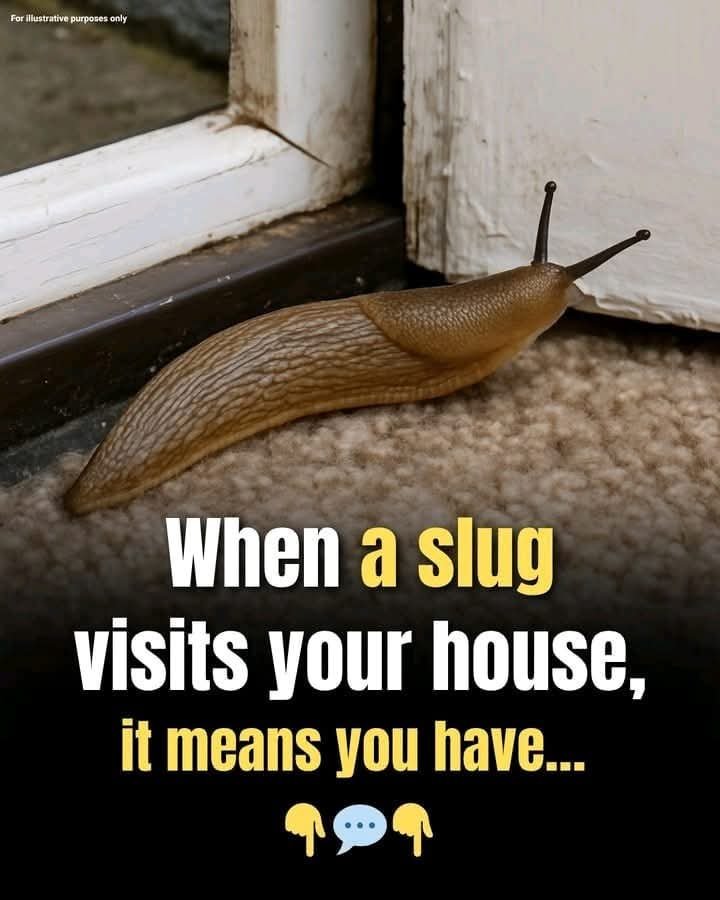
Why Slugs Deserve More Credit Than You Think
When you think of slugs, what comes to mind? Slimy garden invaders, holes in your lettuce, and unwanted guests in flowerbeds. For most gardeners and homeowners, slugs are pests to be eradicated.
But beneath their slimy exterior, slugs are quietly doing amazing work for ecosystems, gardens, and even science — work that many people overlook. In fact, slugs might be one of the most underappreciated creatures in your backyard.
Slugs: Not Just Garden Pests
Slugs are gastropods, close relatives of snails, and part of the same mollusk family. Unlike snails, they don’t carry a protective shell, making them look vulnerable — and often unappealing.
Yet slugs play a vital role in the ecosystem:
-
Decomposers Extraordinaire: Slugs feed on decaying plant matter, breaking it down into nutrients that enrich soil.
-
Soil Aerators: As they move, their slimy trails help to retain moisture and create tiny channels that allow air and water to penetrate the soil.
-
Food Source: They are a key source of nutrition for birds, frogs, beetles, and other wildlife.
Without slugs, gardens and natural ecosystems could face slower decomposition cycles and weaker soil quality.
How Slugs Improve Gardens
Gardeners often focus on the damage slugs cause, but they also contribute positively:
1. Nutrient Recycling
Slugs consume decaying leaves and plant matter. Their digestion turns waste into bioavailable nutrients that plants can easily absorb. Think of them as tiny organic recyclers working behind the scenes.
2. Indicator Species
Slugs are sensitive to environmental changes. A healthy slug population often signals moist, fertile soil. Conversely, their absence may indicate soil is dry, compacted, or chemically imbalanced.
3. Supporting Pollinators and Predators
Though they eat plants, slugs also indirectly support pollinator populations. Birds and beetles that eat slugs may also consume pests harmful to flowers and vegetables.
Slug Superpowers You Didn’t Know About
Beyond their role in gardens, slugs are fascinating creatures with surprising abilities:
-
Regeneration: Some slug species can regenerate parts of their body, including their tails, when injured.
-
Antimicrobial Slime: Their mucus contains antimicrobial properties, helping slugs protect themselves from infection — and scientists are studying it for medical applications.
-
Extreme Adaptability: Slugs thrive in a wide range of environments, from rainforests to urban gardens, showcasing incredible resilience.
Slugs in Science and Medicine
Believe it or not, slugs have contributed to scientific breakthroughs:
-
Neuroscience: The simple nervous system of some slugs allows researchers to study neural activity and memory formation.
-
Biomedical Research: Slug mucus is being studied for wound healing, anti-inflammatory treatments, and biodegradable adhesives.
-
Environmental Monitoring: Because they absorb toxins from their surroundings, slugs help scientists track pollution and chemical exposure.
Common Misconceptions About Slugs
| Myth | Reality |
|---|---|
| Slugs are “useless pests.” | They recycle nutrients, support predators, and indicate soil health. |
| Slugs only damage gardens. | Damage is usually limited; their ecological contributions outweigh occasional plant nibbling. |
| Slugs are slimy and gross. | Their slime is a protective and functional adaptation, full of antimicrobial properties. |
| Slugs serve no scientific purpose. | Their biology has informed neuroscience, medicine, and environmental studies. |
How to Coexist With Slugs
If you don’t want to eliminate slugs completely, here are ways to benefit from them without letting them ruin your garden:
-
Barrier Methods: Copper tape, eggshells, or diatomaceous earth can limit slug movement.
-
Handpicking: Early morning or evening collection can reduce numbers without harming your garden’s ecology.
-
Alternative Feeding Stations: Provide a patch of rotting leaves or decaying fruit away from your vegetables.
-
Encourage Natural Predators: Birds, frogs, and beetles keep slug populations in check.
With a little planning, you can enjoy healthy soil and thriving plants while letting slugs do their work.
The Bigger Picture
Slugs might not be glamorous, but they are unsung heroes of the ecosystem. They support soil health, biodiversity, and scientific research — all while going unnoticed (or misunderstood) by most people.
Next time you see a slimy trail on your garden path, remember: this little creature is quietly contributing to life on Earth in ways most of us don’t appreciate.
Final Thought
Slugs may nibble your lettuce, but they also nourish the soil, feed wildlife, and inspire scientific discovery. Maybe it’s time we stopped seeing them as pests and started giving them the credit they deserve.
After all, some of the smallest, most overlooked creatures often make the biggest difference.