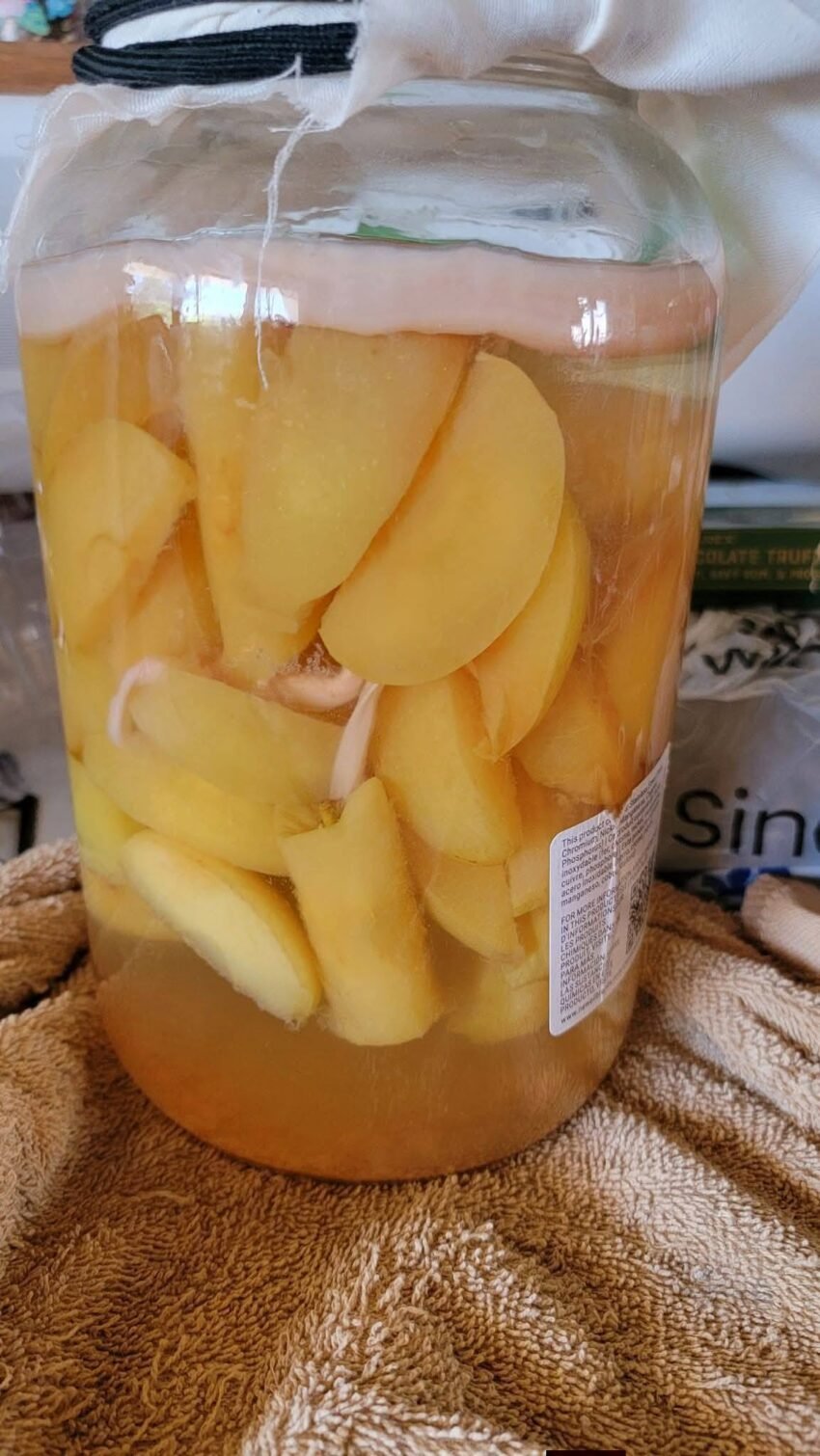
Why Your Apple Cider Vinegar Has That “Stuff” Floating in It — And Why It’s Usually Fine
Notice strange particles or cloudy stuff in your apple cider vinegar? Learn what it is, why it happens, and when it’s safe to use versus when to toss it.
The Mystery of the Floating “Stuff”
You open your bottle of apple cider vinegar (ACV) and notice:
-
Cloudy sediment at the bottom
-
Small strands or floating particles
-
A murky layer that wasn’t there before
Your first thought might be: “Is it spoiled?”
Relax — most of the time, what you’re seeing is completely normal.
What That Stuff Actually Is
1. The “Mother” of Vinegar
Most raw, unfiltered apple cider vinegar contains the mother — a natural colony of:
-
Acetic acid bacteria
-
Yeast strands
The mother forms as vinegar ferments and looks like:
-
Cloudy strands or strings
-
Sediment at the bottom
-
A slightly gelatinous layer
It’s totally safe to consume and is responsible for many of ACV’s potential health benefits, like supporting digestion and gut bacteria.
2. Natural Sediment from Apples
ACV is made by fermenting apple juice. Tiny apple particles often remain, causing:
-
Cloudiness
-
Small floating bits
-
Mild discoloration
This is harmless and a sign that the vinegar is unpasteurized and minimally processed.
3. Why Some Bottles Get Extra Cloudy
-
Age: Older bottles tend to settle more sediment.
-
Storage: ACV stored in a cool, dark cupboard may develop more pronounced “mother” colonies.
-
Movement: Shaking the bottle distributes sediment throughout the liquid, creating a cloudy appearance.
When Apple Cider Vinegar Might Be Bad
Most of the “stuff” in raw ACV is harmless, but rarely, spoilage can occur. Watch for:
-
Mold (fuzzy, green, black, or pink growth)
-
Off or rotten smell (not the typical vinegary aroma)
-
Strange taste beyond the usual acidic tang
If any of these appear, it’s safer to discard the bottle.
How to Handle Cloudy ACV
-
Shake or Stir – The sediment is harmless; shaking redistributes the mother.
-
Use As-Is – Safe for cooking, dressings, or diluted drinks.
-
Strain If Desired – Pour through a fine mesh strainer or coffee filter to remove sediment for smoother liquid.
-
Store Properly – Keep in a sealed glass bottle, away from heat and sunlight.
Pros and Cons of Raw, Unfiltered ACV
Pros
-
Contains beneficial bacteria and enzymes
-
Natural, minimally processed
-
Adds flavor and acidity to recipes
-
Can have potential health benefits (digestion, blood sugar support)
Cons
-
Cloudy appearance can alarm new users
-
Strong flavor may be off-putting for some
-
Should be diluted before consuming to avoid stomach irritation
Frequently Asked Questions
1. Is the “mother” safe to drink?
Yes — it’s completely safe and often considered the healthiest part of ACV.
2. Can I use ACV with sediment for cooking?
Absolutely — it will not affect taste or safety.
3. Should I filter my vinegar?
Optional — some prefer clear vinegar for aesthetic reasons, but it’s unnecessary.
4. How long does ACV last?
Raw ACV can last years if stored in a cool, dark place.
5. Can I grow more “mother”?
Yes — you can use the sediment to start a new batch of fermented vinegar.
Action Checklist: Safe ACV Use
-
Check for mold or foul odor
-
Shake or stir sediment before use
-
Use in dressings, drinks, or cooking
-
Optional: strain if a clear liquid is preferred
-
Store sealed in a cool, dark location
Final Thoughts
Seeing “stuff” in your apple cider vinegar is usually a sign of quality, not spoilage.
The cloudy strands or sediment are part of the natural fermentation process and often indicate a rich, unfiltered product full of beneficial compounds.
Next time you spot sediment in your ACV, don’t panic — it’s most likely the mother or natural apple particles. Safe, natural, and sometimes even desirable. Shake, strain if you prefer, and keep enjoying your vinegar — it’s doing exactly what it’s meant to do.