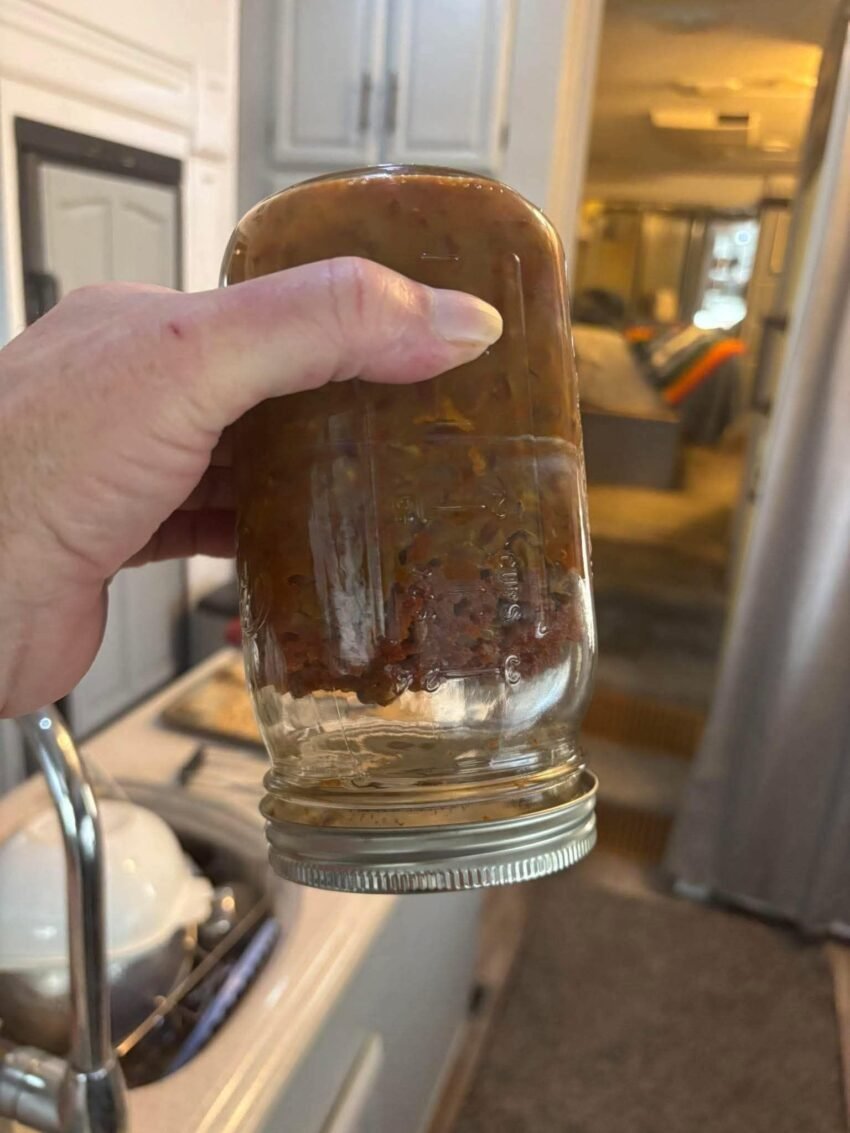
Why Your Baked Beans Turned to a Clump in the Jar: Pressure Canner vs. Electric Canner Mistakes
Learn why baked beans canned in an electric canner may turn clumpy, unlike traditional pressure canners. Tips to preserve texture, juice, and flavor.
Why Your Baked Beans Turned to a Clump in the Jar
If you’ve ever followed the same baked beans recipe twice, but one batch comes out juicy and delicious while the other is a solid, unappetizing clump, you’re not alone. Many home canners run into this frustrating problem when switching from a traditional stovetop pressure canner to an electric canner.
Here’s what likely happened and how to prevent it next time.
Understanding the Difference: Traditional vs. Electric Pressure Canners
1. Temperature and Pressure Accuracy
-
Traditional stove-top pressure canners: Can reach and maintain higher temperatures consistently (usually 240–250°F at 10–15 PSI)
-
Electric pressure canners: Often heat more slowly, may struggle to maintain steady pressure, and sometimes don’t reach the same peak temperatures
Impact on beans: Beans need high, consistent pressure to cook thoroughly while still preserving liquid. Electric canners sometimes undercook or unevenly cook beans, causing them to absorb all liquid and turn into a solid mass.
2. Pre-Soaking and Bean Absorption
-
Beans continue absorbing water during the canning process.
-
Electric canners sometimes extend the cooking time at lower pressure, allowing beans to soak up more liquid than expected.
-
Result: dry, clumped beans with little juice remaining.
3. Jar Fill and Headspace
-
Overfilling or underfilling jars can affect how juice distributes during processing.
-
Electric canners can create more vigorous boiling than stove-top models, which may force liquid out of beans, leaving clumps behind.
4. Recipe Sensitivity
Even small differences in:
-
Water content
-
Cooking time before canning
-
Bean size and age
…can affect final texture. Electric canners may exaggerate these differences, especially with older beans, which absorb more liquid.
How to Prevent Clumpy Beans in an Electric Canner
-
Check the manual for pressure settings
-
Ensure your electric canner reaches the recommended PSI for beans (usually 10–15 PSI)
-
-
Adjust cooking liquid
-
Add slightly more juice or broth than you would for a traditional canner to compensate for absorption
-
-
Pre-cook or parboil beans properly
-
Soak beans overnight
-
Simmer gently before canning to ensure uniform cooking
-
-
Follow proper headspace guidelines
-
Usually 1 inch for baked beans
-
Avoid packing beans too tightly
-
-
Monitor processing times carefully
-
Electric canners may require slight time adjustments compared to stovetop recipes
-
Avoid guessing—stick to trusted recipes adapted for electric models
-
-
Consider jar agitation
-
Sometimes lightly stirring beans before sealing jars (without compromising sterility) can help evenly distribute liquid
-
Real-Life Scenario
Martha, 58, from Ohio
-
Last year: Used a traditional pressure canner for baked beans—juicy, perfectly textured
-
This year: Switched to an electric canner; beans turned into a solid clump with no juice
Solution:
-
She increased liquid by 15%, ensured beans were soaked overnight, and processed at the correct PSI per the electric canner manual.
-
Outcome: Beans came out juicy and separated, just like her original batch.
Common Mistakes Home Canners Make
-
Using electric canner settings identical to traditional canner recipes
-
Skipping bean soaking or pre-cooking
-
Underestimating liquid absorption by beans
-
Ignoring manufacturer’s instructions for PSI and time
-
Overfilling jars, leaving insufficient headspace
Quick Tips for Perfect Baked Beans Every Time
✔ Soak beans overnight for even cooking
✔ Pre-cook beans slightly before canning
✔ Add extra liquid when using an electric canner
✔ Follow headspace and pressure guidelines
✔ Adjust processing time based on the type of canner
✔ Use fresh, uniform beans to ensure consistent texture
Switching from a traditional pressure canner to an electric model isn’t always plug-and-play. The differences in pressure, temperature consistency, and heating patterns can turn a previously perfect baked beans recipe into a clump of dry mush.
By adjusting liquid, pre-soaking, and monitoring pressure carefully, you can enjoy juicy, flavorful baked beans from your electric canner every time.
💬 Have you experienced clumpy beans from your electric canner?
Share your tips and tricks in the comments to help fellow home canners avoid the same problem.