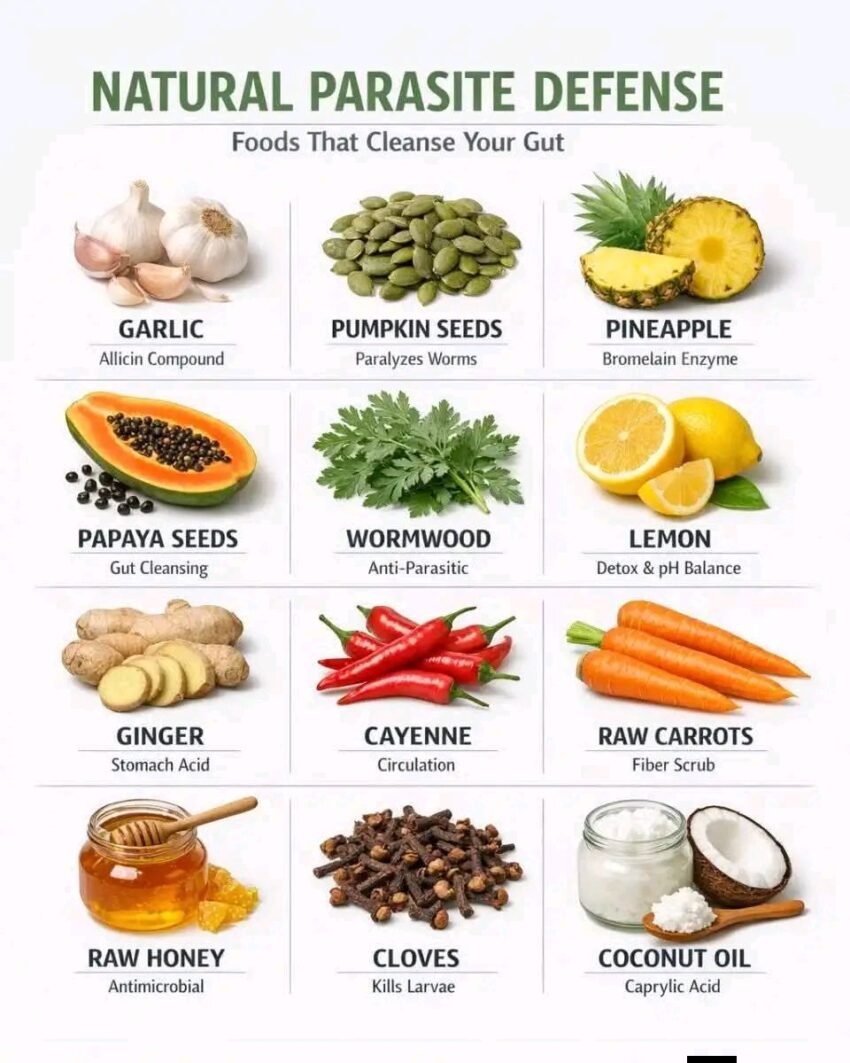
Your Gut Doesn’t Need Fear — It Needs Balance
Discover how fiber, enzymes, and natural compounds support gut health safely. Learn why gentle balance beats aggressive cleanses for lasting digestive wellness.
Introduction: Stop Worrying About Your Gut
If you’ve ever googled “colon cleanse” or “detox drinks,” you know the internet can make your gut feel scary and complicated.
The truth? Your gut doesn’t need fear—it needs balance.
Aggressive cleanses, extreme detoxes, and over-the-counter laxatives can disrupt healthy bacteria, irritate your digestive system, and even cause more harm than good.
Instead, the real solution lies in fiber, digestive enzymes, and natural antimicrobial compounds—tools that support digestion naturally and gently.
In this guide, you’ll learn:
-
Why your gut thrives on balance
-
Foods and compounds that support healthy digestion
-
Safe, practical tips for everyday gut wellness
How the Gut Works
Your gut is more than a food-processing machine. It’s a complex ecosystem:
-
Microbiome: Trillions of bacteria that help digest food, regulate immunity, and protect against harmful pathogens.
-
Digestive Enzymes: Proteins that break down carbs, fats, and proteins into absorbable nutrients.
-
Colon & Bowel: Moves waste efficiently while reabsorbing water and nutrients.
When this system is balanced, digestion runs smoothly. When it’s disrupted—through poor diet, stress, or unnecessary cleanses—you may feel:
-
Bloating and gas
-
Irregular bowel movements
-
Low energy or brain fog
-
Increased digestive discomfort
Why Aggressive Cleansing Can Backfire
-
Destroys beneficial bacteria: Harsh detoxes or repeated laxatives can reduce microbiome diversity.
-
Irritates the gut lining: Overuse of supplements or strong herbs may inflame your digestive tract.
-
Temporary results: Quick cleanses often give short-term relief, not lasting health benefits.
Instead of fear-driven approaches, focus on daily gut-supporting habits.
Key Gut-Supportive Compounds
1. Fiber
-
What it does: Feeds healthy bacteria, promotes regular bowel movements, and reduces constipation.
-
Sources: Oats, beans, lentils, leafy greens, berries, and whole grains.
-
Tip: Gradually increase fiber intake to avoid gas or bloating.
2. Digestive Enzymes
-
What they do: Break down food efficiently so nutrients are absorbed properly.
-
Sources: Pineapple (bromelain), papaya (papain), fermented foods (kimchi, yogurt), or enzyme supplements.
3. Antimicrobial Compounds
-
What they do: Naturally support gut balance by keeping harmful microbes in check.
-
Sources: Garlic, ginger, oregano, cloves, and turmeric.
-
Tip: Incorporate small amounts daily in meals or teas.
4. Probiotics & Fermented Foods
-
Why they matter: They introduce beneficial bacteria to your gut.
-
Examples: Yogurt, kefir, sauerkraut, kombucha, miso.
Practical Daily Gut Wellness Routine
-
Breakfast: Oatmeal with berries and a spoonful of yogurt.
-
Snack: Apple slices with a sprinkle of cinnamon or a handful of nuts.
-
Lunch: Leafy green salad with olive oil, lemon, and a few cloves or ginger slices.
-
Hydration: 8–10 glasses of water; herbal teas like peppermint or chamomile support digestion.
-
Movement: 20–30 minutes of walking or light exercise daily stimulates gut motility.
Tips for Maintaining Balance
-
Eat whole, minimally processed foods.
-
Avoid extreme cleanses; focus on consistency.
-
Incorporate fermented foods 3–4 times per week.
-
Reduce stress—sleep, meditation, or gentle movement improve gut health.
-
Listen to your body—digestive discomfort is a signal, not a failure.
Common Myths About Gut Health
| Myth | Reality |
|---|---|
| “You need a colon cleanse regularly.” | The colon cleans itself naturally with fiber and hydration. |
| “Detox drinks remove toxins instantly.” | Most detoxes are temporary and may disrupt gut balance. |
| “Spicy or fermented foods are harmful.” | In moderation, these foods often support gut bacteria and digestion. |
| “You need pills to fix your gut.” | Diet, hydration, and lifestyle changes are usually sufficient for healthy digestion. |
Frequently Asked Questions
Q1: How do I know if my gut is balanced?
Regular bowel movements, minimal bloating, steady energy, and comfortable digestion are signs of a healthy gut.
Q2: Can I drink herbal “detox teas” safely?
Some teas support digestion, but avoid aggressive laxative teas or prolonged use.
Q3: How quickly can I see results with gut-supportive foods?
Improvements in digestion may appear within a few days; microbiome balance takes weeks of consistent diet and lifestyle.
Q4: Do I need supplements?
Not always. Many people get enough enzymes, fiber, and probiotics from food. Supplements can help if recommended by a healthcare professional.
Conclusion: Gut Health Is About Balance, Not Fear
Your gut doesn’t need extreme cleanses, expensive detoxes, or daily worry.
“It thrives on fiber, enzymes, hydration, and natural compounds that support healthy bacteria and smooth digestion.”
Focus on consistent, gentle habits instead of fear-driven solutions:
-
Eat whole foods
-
Stay hydrated
-
Include fermented and fiber-rich foods
-
Move your body regularly
Your Turn:
Which gut-friendly habit will you start today? Share your tips or favorite digestive-supportive foods in the comments below.