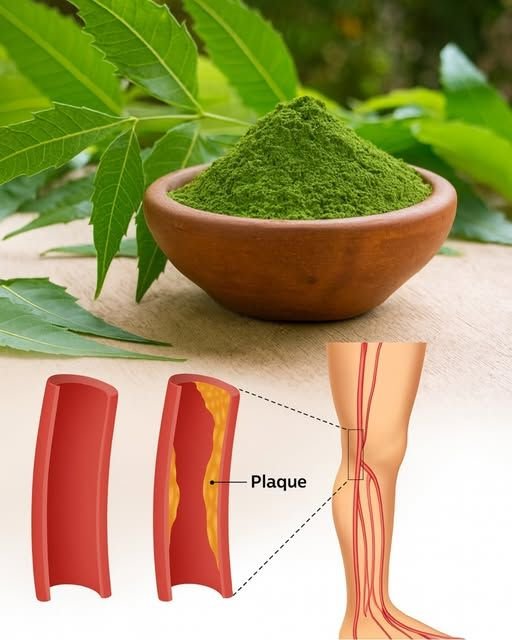
🚫 Why “1 Leaf Cures Diabetes, Blood Pressure, Pain & Cholesterol” Is a Dangerous Myth (And What Actually Works)
Can one leaf cure diabetes, blood pressure, pain, and cholesterol? Learn the truth, risks, and safe, science-backed ways to protect your health.
The Viral Claim That Sounds Too Good to Ignore
You’ve probably seen it on social media:
“Just one leaf can destroy diabetes, fix blood pressure, eliminate body pain, and clean your arteries.”
It’s the kind of headline that spreads fast — because it promises something we all want:
A simple, natural fix for complex health problems.
But here’s the reality…
That claim is misleading, unsafe, and not supported by medical science.
If you or someone you love is dealing with conditions like Type 2 Diabetes, Hypertension, or high cholesterol, relying on “miracle leaf” advice can delay real treatment — and that can have serious consequences.
Let’s break this down clearly, honestly, and responsibly.
Why the “1 Leaf Cure” Claim Is So Popular
These types of posts go viral because they tap into real frustrations:
- Medications can feel overwhelming
- Lifestyle changes take time
- Healthcare can be expensive
- People want natural alternatives
And marketers or content creators exploit that.
They package vague claims around common plants like:
- Guava leaves
- Moringa leaves
- Bay leaves
- Neem leaves
These plants do have health properties — but that’s very different from being a cure.
The Truth: No Single Leaf Can Cure Multiple Chronic Diseases
Let’s be direct:
There is no scientific evidence that any single plant or leaf can:
- Cure diabetes
- Eliminate high blood pressure
- Remove cholesterol buildup
- Fix circulation issues instantly
- Eliminate chronic body pain
These conditions are complex, long-term diseases, not temporary imbalances.
What Science Actually Says About These Conditions
1. Diabetes Is a Metabolic Disorder
Type 2 Diabetes happens when the body:
- Becomes resistant to insulin
- Cannot regulate blood sugar properly
Management requires:
- Diet changes
- Physical activity
- Sometimes medication
No leaf can reverse this overnight.
2. High Blood Pressure Needs Ongoing Control
Hypertension is often called a “silent killer.”
It involves:
- Blood vessel resistance
- Heart workload
Untreated, it increases risk of:
- Stroke
- Heart attack
Herbal support can help slightly — but it’s never a replacement for proper care.
3. Cholesterol Buildup Takes Time to Change
High cholesterol leads to plaque in arteries.
That affects:
- Blood flow
- Heart health
Fixing this requires:
- Long-term diet changes
- Exercise
- Sometimes medication
4. Body Pain Has Many Causes
Pain isn’t one condition.
It could come from:
- Inflammation
- Injury
- Nerve issues
- Chronic conditions
No single remedy fits all.
So Why Do People Say These Leaves Work?
Because some leaves contain beneficial compounds.
Let’s look at that honestly.
Common “Healing Leaves” — What They Actually Do
1. Moringa Leaves
Often called a “superfood.”
Potential benefits:
- Rich in antioxidants
- May support blood sugar control
- Anti-inflammatory properties
Reality:
Helpful as a supplement — not a cure.
2. Guava Leaves
Traditionally used for digestion.
May help:
- Mild blood sugar regulation
- Gut health
But: Effects are modest.
3. Neem Leaves
Known in traditional medicine.
Properties:
- Antibacterial
- Anti-inflammatory
Limitations:
Not a treatment for chronic diseases.
4. Bay Leaves
Used in cooking and herbal teas.
Possible benefits:
- May support glucose metabolism
But again:
Not a replacement for medical care.
The Real Danger of Believing “Miracle Cure” Claims
This is where it gets serious.
Relying on these claims can lead to:
⚠️ Delayed Treatment
Conditions worsen silently.
⚠️ Complications
Especially with diabetes and blood pressure.
⚠️ Medication Interactions
Some herbs can interfere with prescribed drugs.
⚠️ False Hope
Leading to cycles of disappointment.
Organizations like American Diabetes Association consistently warn against replacing medical treatment with unproven remedies.
What Actually Works (Proven, Safe, and Effective)
Let’s shift to what does help.
A Practical, Science-Backed Approach
1. Nutrition Comes First
Focus on:
- Whole foods
- Vegetables
- Lean proteins
- Healthy fats
Reduce:
- Sugar
- Processed foods
- Excess salt
2. Daily Movement Matters
Even 30 minutes a day can:
- Improve circulation
- Lower blood pressure
- Support blood sugar control
3. Medical Guidance Is Essential
Regular checkups help:
- Catch problems early
- Adjust treatment safely
4. Stress Management
Chronic stress worsens:
- Blood pressure
- Blood sugar
- Pain levels
Try:
- Walking
- Breathing exercises
- Better sleep routines
5. Smart Use of Natural Remedies
You can include herbal support — safely.
But use them as:
- Supplements
- Not replacements
Always consult a healthcare provider.
Real-Life Scenario
A man in California tried replacing his diabetes medication with herbal tea made from leaves he saw online.
For a few weeks, he felt “fine.”
Then:
- Blood sugar spiked
- Fatigue increased
- He ended up needing urgent medical care
The issue wasn’t the leaf — it was relying on it as a cure.
Pros and Cons of Herbal Remedies
| Pros | Cons |
|---|---|
| Natural source | Not a cure |
| May support health | Effects are mild |
| Widely available | Can delay real treatment |
| Cultural familiarity | Lack of regulation |
Common Mistakes People Make
❌ Believing viral claims without evidence
❌ Stopping prescribed medications
❌ Mixing herbs with drugs without guidance
❌ Expecting instant results
❌ Ignoring worsening symptoms
Expert Tips Most People Don’t Know
- “Natural” does NOT mean safe for everyone
- Some herbs affect liver and kidney function
- Blood sugar drops too low can be dangerous
- Consistency beats quick fixes every time
2026 Update: Rising Misinformation Trends
Health misinformation is increasing rapidly online.
Search data shows:
- More people looking for “natural cures”
- Increased exposure to unverified advice
Health authorities are now focusing on:
- Public education
- Digital misinformation awareness
The Future of Natural Health
Natural remedies will continue to play a role — but as support tools, not miracle cures.
The future is about:
- Integrating nutrition + medicine
- Personalized care
- Evidence-based wellness
Frequently Asked Questions
1. Can any leaf cure diabetes?
No. Diabetes requires long-term management.
2. Are herbal remedies useless?
No — they can support health, but not cure diseases.
3. Is it safe to stop medication if I feel better?
No. Always consult a doctor first.
4. Can leaves lower blood pressure?
Some may help slightly, but not replace treatment.
5. Why do people believe these claims?
Because they offer simple solutions to complex problems.
6. Are natural treatments safer than drugs?
Not always — they can still have risks.
7. Can I combine herbs with medication?
Only under medical guidance.
8. Do these remedies work faster?
No. Real health improvement takes time.
Action Checklist
✔ Verify health claims before trying them
✔ Continue prescribed treatments
✔ Focus on long-term lifestyle changes
✔ Use herbs only as supportive tools
✔ Consult a healthcare professional
Conclusion: Choose Truth Over Hype
It’s tempting to believe that one simple thing can fix everything.
But your health deserves more than shortcuts.
There is no single leaf that cures multiple chronic diseases — and believing that can cost more than just time.
Real health comes from:
- Consistent habits
- Informed decisions
- Professional guidance
There is no miracle leaf.
But there is a proven path — and it works if you stick with it.
Your Turn
Have you seen claims like this online?
What’s your experience with natural remedies?
Share your thoughts — your story might help someone avoid a dangerous mistake.