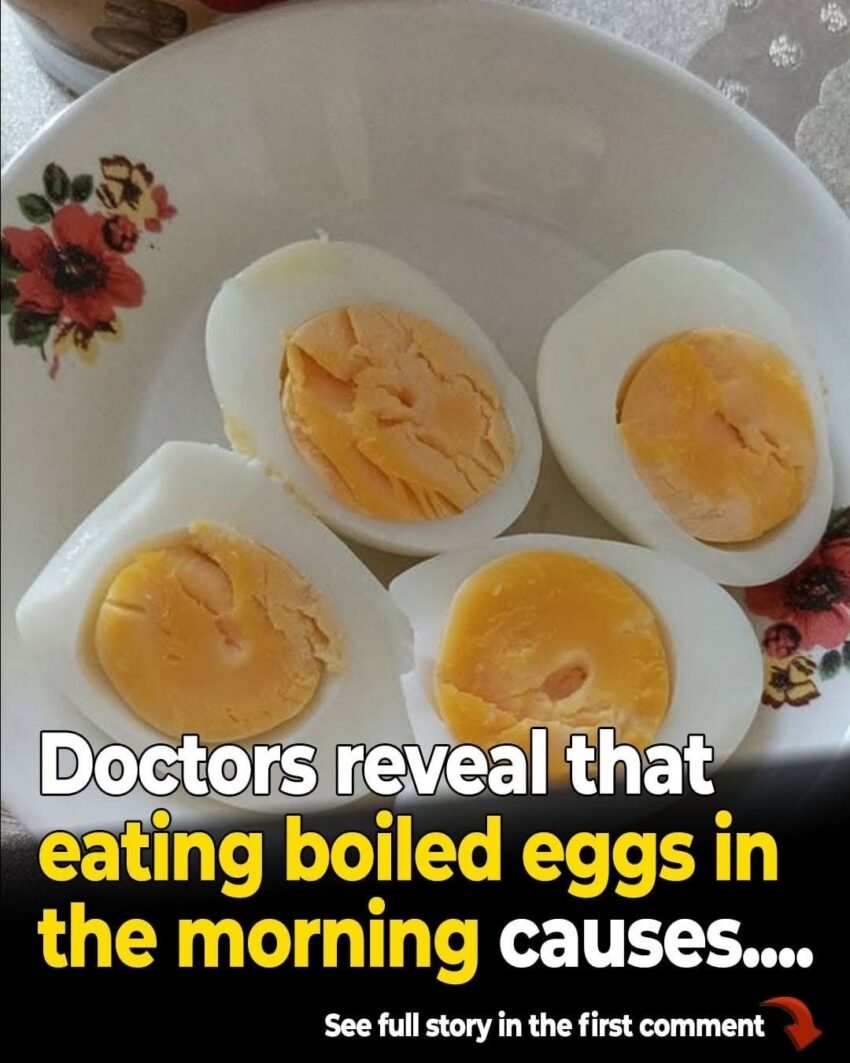
11 Things You Didn’t Know About Hard-Boiled Eggs (And Why They’re More Powerful Than You Think)
Discover surprising facts about hard-boiled eggs, including nutrition benefits, storage tips, common mistakes, and how they support a healthy diet.
11 Things You Didn’t Know About Hard-Boiled Eggs
A hard-boiled egg looks simple.
It is small, inexpensive, easy to prepare, and has been part of breakfasts and snacks for generations.
But behind that plain shell is a surprisingly complex food packed with nutrients that support muscles, the brain, eyes, and overall health.
Many people eat hard-boiled eggs regularly without knowing the details that make them unique—from why the yolk changes color, to the best way to cook them, to how they fit into a healthy diet.
Here are 11 things you may not know about hard-boiled eggs.
1. Hard-Boiled Eggs Are a Complete Protein Source
One large hard-boiled egg provides high-quality protein containing all nine essential amino acids your body cannot make on its own.
Protein is needed for:
- Building and repairing muscles
- Supporting immune function
- Maintaining healthy skin and tissues
- Producing enzymes and hormones
This makes eggs especially useful for people who want a convenient protein source.
Whether you are an athlete, an older adult trying to maintain muscle, or simply looking for a filling snack, eggs can be a practical choice.
2. The Egg Yolk Contains Most of the Nutrients
Many people focus only on egg whites because they contain protein.
But the yolk contains many important nutrients, including:
- Vitamin D
- Vitamin B12
- Choline
- Selenium
- Vitamin A
- Antioxidants such as lutein and zeaxanthin
Removing the yolk removes a large portion of the egg’s nutritional value.
The yolk is not just “the fatty part”—it is where many beneficial compounds are stored.
3. Eggs Are One of the Best Food Sources of Choline
Choline is an essential nutrient that many people do not consume enough of.
It plays a role in:
- Brain development
- Memory-related processes
- Nervous system function
- Cell structure
Eggs are among the richest natural food sources of choline.
This nutrient is especially important during pregnancy because it supports fetal brain and nervous system development.
4. The Green Ring Around the Yolk Does Not Mean the Egg Is Bad
Have you ever cut open a hard-boiled egg and noticed a green or gray ring around the yolk?
Many people think it means the egg has spoiled.
Usually, it does not.
The green ring forms when sulfur compounds from the egg white react with iron in the yolk during cooking.
It often happens when:
- Eggs are cooked too long
- Eggs are exposed to high heat for too long
The egg is generally safe to eat if it has been properly stored.
5. Older Eggs Are Often Easier to Peel
Fresh eggs are excellent for many recipes, but they can be frustrating when hard-boiled.
Why?
Fresh eggs have a lower pH, causing the egg white to cling more tightly to the inner shell membrane.
As eggs age, the pH increases, making peeling easier.
A practical tip:
Eggs that have been in your refrigerator for several days often peel more cleanly after boiling.
6. Hard-Boiled Eggs Can Support Eye Health
Egg yolks contain two important antioxidants:
- Lutein
- Zeaxanthin
These compounds accumulate in the retina of the eye.
They have been studied for their role in protecting eyes from oxidative stress and supporting healthy vision as people age.
Eating eggs alone will not prevent eye diseases, but they can be part of a diet that supports eye health.
7. Hard-Boiled Eggs Can Help You Feel Full Longer
Protein and fat both contribute to satiety—the feeling of being satisfied after eating.
A hard-boiled egg can be a helpful addition to meals because it may reduce the urge to snack soon afterward.
For example:
Instead of eating a breakfast that leaves you hungry an hour later, adding an egg may help create a more balanced meal.
8. Boiling Does Not Destroy All the Nutrition
Some people worry that cooking eggs removes their benefits.
While cooking can slightly affect certain nutrients, hard-boiling preserves many important components.
You still get:
- Protein
- Minerals
- Healthy fats
- Choline
- Eye-supporting antioxidants
Cooking eggs also reduces the risk of foodborne illness compared with eating raw eggs.
9. The Way You Store Hard-Boiled Eggs Matters
Hard-boiled eggs should be stored safely.
General food safety guidance recommends:
- Refrigerating cooked eggs
- Keeping them in a covered container
- Avoiding leaving them at room temperature for long periods
A properly stored hard-boiled egg can typically last about a week in the refrigerator.
Always check for unusual odors or changes before eating.
10. Eggs Do Not Affect Everyone’s Cholesterol the Same Way
Eggs have cholesterol, which has led to years of debate.
Modern nutrition research shows that dietary cholesterol does not affect blood cholesterol levels in the same way for everyone.
For many healthy people, moderate egg consumption can fit into a balanced diet.
However, people with certain health conditions—such as specific cholesterol disorders or heart disease risks—may need personalized advice.
11. Hard-Boiled Eggs Are One of the Most Convenient Healthy Foods
Few foods offer the same combination of:
- Affordability
- Portability
- Protein
- Nutrient density
- Easy preparation
A boiled egg can be used as:
- A quick breakfast
- A salad topping
- A post-workout snack
- A lunch addition
Simple foods are often the ones people can maintain consistently.
The Best Way to Make Perfect Hard-Boiled Eggs
Try this method:
Step 1: Place eggs in a pot
Cover them with enough water so there is about an inch of water above the eggs.
Step 2: Bring water to a boil
Once boiling, reduce heat if needed.
Step 3: Cook until firm
Many people cook eggs for around 10–12 minutes depending on size and preference.
Step 4: Cool quickly
Place eggs in cold water afterward.
This helps stop cooking and may make peeling easier.
Common Hard-Boiled Egg Mistakes
Mistake 1: Overcooking Eggs
Overcooking can create:
- Rubber-like whites
- Dry yolks
- Green rings around yolks
Mistake 2: Leaving Eggs Unrefrigerated
Cooked eggs should not sit out for extended periods.
Mistake 3: Eating Eggs Without Considering the Whole Diet
Eggs can be nutritious, but overall eating patterns matter.
A balanced plate includes:
- Vegetables
- Fiber-rich foods
- Healthy fats
- Variety
Hard-Boiled Eggs: Pros and Cons
| Benefits | Considerations |
|---|---|
| High-quality protein | Not suitable for people with egg allergies |
| Rich in nutrients | Some people need cholesterol guidance |
| Affordable | Storage safety matters |
| Convenient | Can become repetitive without variety |
Frequently Asked Questions
How many hard-boiled eggs can I eat per day?
The right amount depends on your overall diet, health status, and individual needs.
Are hard-boiled eggs good for weight loss?
They can support weight management because protein may help you feel full, but overall calorie intake matters.
Is the egg yolk unhealthy?
For most healthy people, the yolk provides valuable nutrients and can be part of a balanced diet.
Are boiled eggs better than fried eggs?
Both can be nutritious. Boiling avoids adding extra cooking fats.
Why do boiled eggs smell?
The smell comes from sulfur compounds naturally present in eggs.
Can I eat hard-boiled eggs every day?
Many people can include eggs regularly as part of a varied diet.
Are brown eggs healthier than white eggs?
Shell color does not determine nutritional quality. The nutrition is similar when comparing eggs of similar quality.
Should I wash eggs before boiling?
In many countries, commercially washed eggs are already cleaned. Washing can sometimes spread bacteria if it damages the shell’s protective layer.
Hard-Boiled Egg Action Checklist
✔️ Do
- Keep eggs refrigerated.
- Cook them thoroughly.
- Include the yolk for nutrients.
- Pair eggs with vegetables and fiber-rich foods.
- Use them as a convenient protein option.
❌ Avoid
- Overcooking until the yolk becomes dry.
- Leaving cooked eggs at room temperature too long.
- Assuming one food alone creates perfect health.
Conclusion
Hard-boiled eggs may look ordinary, but they are one of the most nutrient-packed foods you can keep in your kitchen.
They provide quality protein, important vitamins, minerals, and compounds that support different parts of the body.
The real power of eggs is not that they are a miracle food—it is that they are a simple, affordable choice that can consistently support a healthy eating pattern.
A hard-boiled egg is more than a quick snack. When included as part of a balanced diet, it can provide valuable nutrients that support muscles, brain function, eye health, and overall wellness.
Share this with someone who keeps eggs in their kitchen, and explore more science-backed nutrition tips for everyday health.