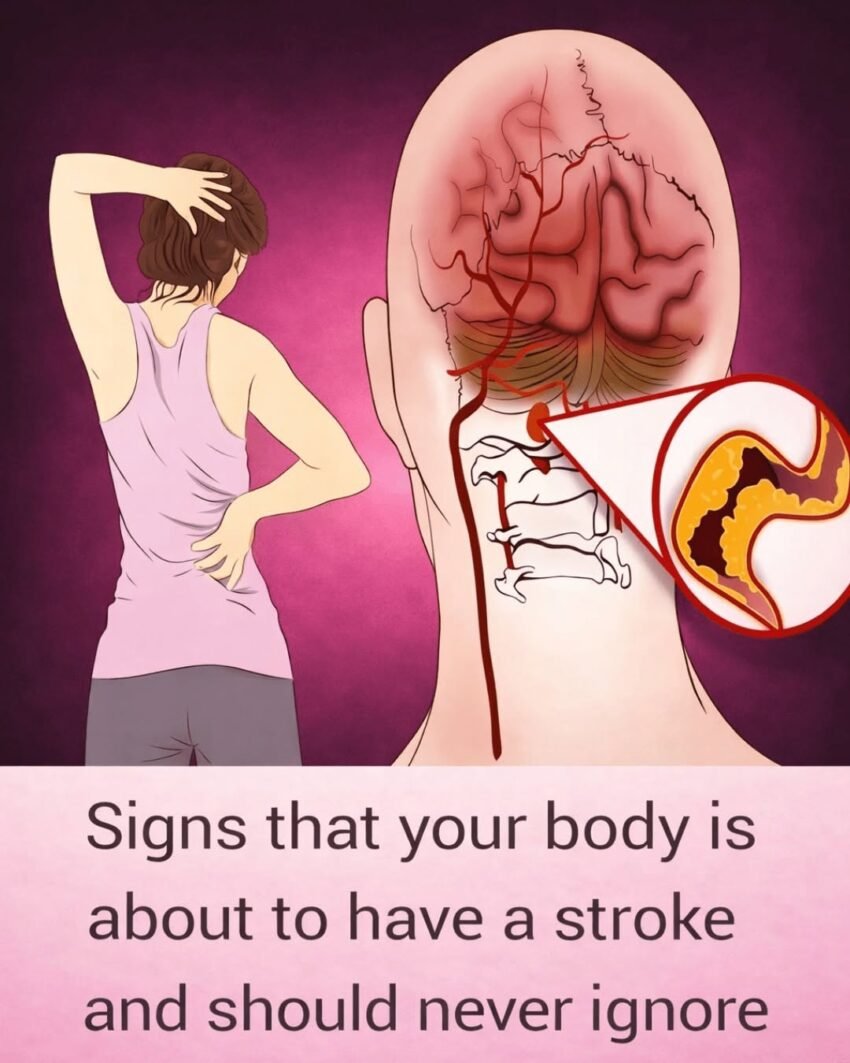
10 Early Warning Signs of a Stroke Everyone Should Know to Take Prompt Action
Learn 10 early warning signs of a stroke, what symptoms to watch for, and why quick action can make a critical difference during a medical emergency.
A stroke can happen suddenly.
One moment, someone may seem completely fine. The next, they may struggle to speak, move, or understand what is happening around them.
The frightening part is that stroke symptoms are not always dramatic at first. Sometimes they begin with a small change—a slightly uneven smile, a strange feeling in one arm, or words that suddenly come out incorrectly.
Knowing these warning signs can help you recognize when something is wrong and seek emergency medical care quickly.
Every minute matters during a stroke because the brain depends on a constant supply of oxygen-rich blood. When blood flow is interrupted or a blood vessel bursts, brain cells can begin to suffer damage.
The faster a person receives appropriate medical attention, the better the chances of limiting complications.
This guide explains 10 important warning signs of stroke, what they may look like in real life, and what action to take.
What Is a Stroke?
A stroke occurs when blood supply to part of the brain is interrupted or reduced.
There are two main types:
Ischemic Stroke
This happens when a blood clot blocks blood flow to the brain. It is the most common type of stroke.
Hemorrhagic Stroke
This occurs when a blood vessel in the brain leaks or bursts, causing bleeding.
Both types require urgent medical attention.
The FAST Stroke Test: The First Things to Remember
Many healthcare organizations teach the FAST method because it is easy to remember.
F — Face Drooping
Ask the person to smile.
Does one side of the face droop or feel numb?
A — Arm Weakness
Ask them to raise both arms.
Does one arm drift downward or feel weak?
S — Speech Difficulty
Ask them to repeat a simple sentence.
Is their speech unclear, strange, or difficult to understand?
T — Time to Call Emergency Services
If any of these signs appear, seek emergency help immediately.
10 Early Warning Signs of a Stroke
1. Sudden Weakness or Numbness on One Side of the Body
One of the most common stroke warning signs is sudden weakness or numbness affecting:
- The face
- One arm
- One leg
- One side of the body
A person may suddenly drop objects, have trouble walking, or feel that one side is not responding normally.
This symptom can appear without warning.
2. Sudden Trouble Speaking or Understanding Words
A stroke can affect areas of the brain responsible for language.
Warning signs include:
- Slurred speech
- Difficulty finding words
- Saying the wrong words
- Trouble understanding what others are saying
A person may know what they want to say but be unable to communicate clearly.
3. Sudden Face Drooping
A crooked smile or uneven facial movement can be a sign of stroke.
Ask the person to smile.
If one side of the face does not move normally, treat it as a possible emergency.
4. Sudden Vision Problems
Stroke may affect vision in one or both eyes.
Possible changes include:
- Blurred vision
- Double vision
- Loss of vision
- Difficulty focusing
Sudden vision changes should always be taken seriously.
5. Sudden Severe Headache
A sudden, intense headache unlike anything experienced before can be a warning sign, especially if it occurs with other symptoms.
It may be accompanied by:
- Nausea
- Vomiting
- Confusion
- Loss of consciousness
Not every severe headache is a stroke, but a sudden unusual headache requires medical attention.
6. Sudden Dizziness or Loss of Balance
A stroke can affect the brain areas responsible for coordination and balance.
Someone may experience:
- Trouble walking
- Feeling dizzy
- Loss of coordination
- Difficulty standing
This may appear like clumsiness but can be a serious warning sign.
7. Sudden Confusion
A person experiencing a stroke may suddenly become confused.
They may:
- Forget where they are
- Have difficulty understanding simple questions
- Act unusually
- Appear disoriented
Sudden mental changes should never be ignored.
8. Trouble Walking
Sudden problems with movement can indicate a stroke.
Watch for:
- Unsteady steps
- Weakness on one side
- Difficulty controlling movements
If someone who normally walks well suddenly struggles, seek medical help.
9. Numbness or Tingling Without an Obvious Cause
A strange sensation—especially on one side of the body—can be an early warning sign.
Examples include:
- A numb hand
- A tingling face
- Loss of sensation in a leg
The sudden nature of the symptom is what makes it concerning.
10. Symptoms That Disappear Quickly (Possible TIA)
Some people experience a transient ischemic attack (TIA), sometimes called a “mini-stroke.”
Symptoms may disappear after minutes or hours.
This can include:
- Temporary weakness
- Brief speech problems
- Short-term vision changes
- Sudden dizziness
A TIA should still be treated as a warning. It may signal a higher risk of a future stroke.
What To Do If You Suspect a Stroke
Do not wait to see if symptoms improve.
Take these steps:
- Call emergency services immediately.
- Note the time symptoms started, if possible.
- Keep the person safe and comfortable.
- Do not give food, drinks, or medication unless instructed by medical professionals.
- Stay with the person until help arrives.
Avoid driving someone with possible stroke symptoms yourself if emergency services are available. Medical teams can begin care during transport.
Why Fast Action Matters
During a stroke, brain tissue can be damaged when blood supply is interrupted.
Medical treatments may depend on:
- The type of stroke
- How much time has passed
- The person’s health history
- Test results
Getting help quickly gives healthcare professionals the best chance to provide appropriate treatment.
Stroke Risk Factors Everyone Should Know
Some factors that increase stroke risk include:
- High blood pressure
- Smoking
- Diabetes
- High cholesterol
- Certain heart conditions
- Physical inactivity
- Obesity
- Older age
- Family history of stroke
Some risk factors cannot be changed, but many can be managed with medical care and healthy lifestyle choices.
Common Stroke Mistakes That Can Be Dangerous
Mistake 1: Waiting for Symptoms to Improve
Some people hope the problem will disappear.
This can waste valuable time.
Better approach: Treat sudden neurological symptoms as an emergency.
Mistake 2: Assuming It Is Just Fatigue
Weakness, confusion, or speech changes are not normal signs of simply being tired.
Mistake 3: Trying Home Remedies First
A stroke is not something that can be treated with home treatments.
Emergency evaluation is necessary.
Mistake 4: Ignoring Temporary Symptoms
Symptoms that disappear can still be a warning sign.
A TIA requires medical attention.
Frequently Asked Questions
What is the first sign of a stroke?
There is no single first sign for everyone. Sudden weakness, facial drooping, speech problems, confusion, dizziness, or vision changes can all be warning signs.
Can a stroke happen without pain?
Yes. Many strokes happen without pain. People may experience sudden changes in movement, speech, vision, or understanding.
How long do stroke symptoms last?
Stroke symptoms may last minutes, hours, or longer. Even symptoms that disappear quickly should be evaluated.
Can young people have strokes?
Yes. Although stroke risk increases with age, younger adults can also experience strokes.
What is the difference between a stroke and a heart attack?
A stroke affects blood flow to the brain, while a heart attack affects blood flow to the heart muscle.
Can stroke damage be reversed?
Some people recover significantly, especially with rapid treatment and rehabilitation. Recovery depends on many factors, including the area of the brain affected.
How can stroke risk be reduced?
Managing blood pressure, avoiding smoking, staying active, eating a balanced diet, and following medical advice can help reduce risk.
Should you call emergency services for mild stroke symptoms?
Yes. Even mild or temporary symptoms can signal a serious problem.
Stroke Emergency Checklist
Remember:
✅ Check for face drooping
✅ Check for arm weakness
✅ Check for speech problems
✅ Note when symptoms started
✅ Call emergency services immediately
Avoid:
❌ Waiting to see if symptoms disappear
❌ Giving food or medication without advice
❌ Driving someone yourself if emergency help is available
❌ Ignoring temporary symptoms
Final Thoughts
A stroke can change a person’s life in minutes, but recognizing warning signs quickly can make a meaningful difference.
The most important lesson is simple:
Sudden changes in the face, arms, speech, vision, balance, or thinking should never be ignored.
You do not need to be a medical expert to help. Knowing the warning signs and taking quick action can be one of the most important things you ever do for someone you care about.
Remember FAST—Face drooping, Arm weakness, Speech difficulty, and Time to call emergency services. When stroke symptoms appear, acting quickly matters.
Share this information with your family and friends. A few minutes spent learning the signs today could help someone recognize an emergency tomorrow.