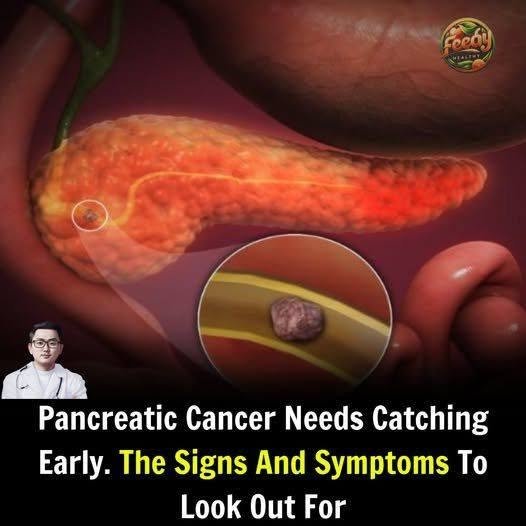
10 Signs of Pancreatic Cancer You Should Never Ignore
Learn 10 warning signs of pancreatic cancer, when symptoms need medical attention, risk factors, diagnosis, screening, and what to do next.
A stomachache after a big meal is usually just a stomachache. Fatigue may be the result of a stressful week. Losing a few pounds might seem like a welcome surprise.
But what happens when several unusual symptoms appear together—or when a symptom keeps returning without an obvious explanation?
That is where paying attention matters.
Pancreatic cancer can be particularly difficult to recognize because early disease often causes few noticeable symptoms. When symptoms do appear, they can look like common digestive problems or other everyday health conditions. The National Cancer Institute notes that pancreatic cancer is difficult to diagnose early partly because its symptoms can resemble those of many other illnesses.
That does not mean that having one of these symptoms means you have cancer. In fact, most of the symptoms discussed below have many more common explanations.
The important point is knowing which changes deserve a conversation with a healthcare professional, especially when symptoms are persistent, unexplained, worsening, or occurring together.
In this guide, we’ll walk through 10 signs worth knowing, explain why they can happen, discuss when to seek medical care, and cover what doctors may do if pancreatic disease is suspected.
Important: This article is for general education and is not a diagnosis. If you have concerning or worsening symptoms, contact a qualified healthcare professional. Severe abdominal pain, repeated vomiting, fainting, difficulty breathing, vomiting blood, black or bloody stools, or other emergency symptoms require urgent medical attention.
What Is Pancreatic Cancer?
The pancreas is a gland located deep in the abdomen, behind the stomach and near the small intestine. It plays two major roles: helping digest food by producing digestive enzymes and helping regulate blood sugar through hormones such as insulin.
Pancreatic cancer occurs when abnormal cells in pancreatic tissue grow uncontrollably.
There are different types of pancreatic tumors. The most common form is pancreatic ductal adenocarcinoma, which develops from cells lining the pancreatic ducts. Pancreatic neuroendocrine tumors are less common and can behave differently.
Why can it be hard to notice?
Location is part of the problem.
The pancreas sits deep inside the abdomen, so a growing tumor may not produce an obvious lump or early warning sensation. Symptoms can also overlap with conditions such as gallstones, pancreatitis, ulcers, digestive disorders, liver problems, and diabetes.
The American Cancer Society emphasizes that early pancreatic cancers often cause no signs or symptoms. By the time symptoms become noticeable, the disease may have grown or spread.
That is why unexplained changes that persist deserve attention—even when they initially seem minor.
10 Signs of Pancreatic Cancer You Should Never Ignore
1. Yellowing of the Skin or Eyes
One of the most recognizable warning signs is jaundice, which causes the skin or the whites of the eyes to appear yellow.
Jaundice occurs when bilirubin, a substance produced when red blood cells are broken down, builds up in the body.
A tumor near the head of the pancreas can press on or block the common bile duct. When bile cannot flow normally into the intestine, bilirubin can accumulate in the bloodstream.
Other changes that may accompany jaundice
You might notice:
- Yellow skin or eyes
- Dark or brownish urine
- Pale, gray, or clay-colored stools
- Itchy skin
- Changes in stool appearance
Jaundice does not automatically mean pancreatic cancer. Gallstones, hepatitis, liver disease, and other bile-duct problems are much more common causes.
However, new unexplained jaundice is something you should not simply watch for weeks.
Practical takeaway: If your eyes or skin suddenly become yellow, contact a healthcare professional promptly so the cause can be investigated.
2. Unexplained Weight Loss
Losing weight without intentionally changing your diet or exercise routine deserves attention.
People with pancreatic cancer may lose weight because of reduced appetite, digestive problems, changes in metabolism, or difficulty absorbing nutrients.
For example, imagine someone who has lost 10 or 15 pounds over several months without trying. They may initially assume it’s because they’re working more, eating smaller meals, or simply getting older.
But unexplained weight loss becomes more important when it occurs alongside:
- Persistent abdominal discomfort
- Reduced appetite
- Changes in bowel movements
- Fatigue
- Jaundice
- Nausea or vomiting
A useful rule of thumb
Don’t focus only on the number on the scale.
Pay attention to why the weight is changing.
Intentional weight loss after improving your diet is different from steadily losing weight despite making no meaningful changes.
3. Persistent Abdominal or Upper-Belly Pain
Pain or discomfort in the abdomen can have countless causes, ranging from indigestion to gallstones and muscle strain.
Pancreatic cancer is therefore far from the most common explanation.
Still, persistent or unusual abdominal pain can be an important symptom, particularly when it occurs with other changes.
Pancreatic tumors can grow near surrounding organs and tissues. Cancer involving the body or tail of the pancreas may cause pain as the tumor becomes larger, while involvement of nearby nerves can contribute to back or abdominal discomfort.
You may notice:
- Pain in the upper or middle abdomen
- Discomfort that seems to extend toward the back
- Pain that persists rather than resolving normally
- Discomfort associated with eating
- A gradual increase in symptoms
The location and character of pain can vary considerably from person to person.
The key isn’t to diagnose yourself from the location of the pain. It’s to recognize when persistent pain deserves evaluation.
4. Back Pain That Doesn’t Have an Obvious Explanation
Back pain is extremely common in the United States. Long hours at a desk, physical work, exercise injuries, arthritis, and muscle strain can all cause it.
So back pain alone is not a strong reason to assume pancreatic cancer.
The concern is greater when persistent back pain occurs alongside unexplained abdominal discomfort, weight loss, jaundice, appetite changes, or digestive symptoms.
Because the pancreas lies deep in the abdomen near the spine, disease involving the pancreas can sometimes cause pain felt in the back.
Consider the bigger picture
Instead of asking:
“Does my back hurt?”
Ask:
- Is this pain new?
- Is it persistent?
- Is there also abdominal discomfort?
- Have I lost weight without trying?
- Has my appetite changed?
- Are there other unexplained symptoms?
A pattern is generally more informative than a single symptom.
5. Nausea or Vomiting That Keeps Coming Back
Occasional nausea happens to everyone.
Food poisoning, medication side effects, infections, migraines, pregnancy, reflux, and many other conditions can cause it.
But recurring nausea or vomiting—especially when accompanied by abdominal pain, poor appetite, weight loss, or difficulty eating—shouldn’t automatically be dismissed as “just a sensitive stomach.”
A pancreatic tumor can sometimes press against the digestive tract and interfere with the normal passage of food. This can contribute to nausea, vomiting, abdominal discomfort, and symptoms that become worse after eating.
When it deserves more attention
Contact a healthcare professional if nausea or vomiting is:
- Persistent or recurrent
- Getting progressively worse
- Associated with unexplained weight loss
- Preventing you from eating or drinking normally
- Occurring with significant abdominal pain
- Accompanied by jaundice or major stool changes
Repeated vomiting can also cause dehydration and electrolyte problems, regardless of the underlying cause.
6. Changes in Stool or Digestion
Your bowel movements can sometimes provide clues that something has changed in your digestive system.
When pancreatic disease interferes with bile flow or the release of pancreatic digestive enzymes, stools can become unusually pale, greasy, or difficult to flush.
The American Cancer Society notes that pancreatic cancer can be associated with light-colored or greasy stools, particularly when bile or pancreatic enzymes cannot reach the intestine normally.
You might notice:
- Pale or gray-colored stools
- Greasy or oily-looking stools
- Stools that float more frequently
- Significant changes in bowel habits
- Increased bloating or digestive discomfort
Again, there are many other explanations for changes in stool.
A single unusual bowel movement isn’t a reason to panic.
A persistent, unexplained change, especially when combined with other symptoms, is different.
7. Loss of Appetite or Feeling Full Quickly
A noticeable reduction in appetite can be easy to overlook.
You might tell yourself:
“I’ve just been stressed.”
Or:
“Maybe I’m eating less because it’s hot outside.”
Those explanations can certainly be true.
But a sustained loss of appetite, particularly when accompanied by unintentional weight loss or digestive symptoms, warrants attention.
Pancreatic cancer may affect appetite directly or indirectly through digestive changes, discomfort, metabolic effects, or pressure on nearby structures.
Some people may also feel full after eating less than usual.
A practical example
Suppose you normally finish a sandwich and a side for lunch but suddenly find yourself full after a few bites for several weeks.
That’s different from occasionally having a smaller appetite.
If the change persists, make a note of it and discuss it with your healthcare professional.
8. Persistent Fatigue or Unusual Weakness
Everyone gets tired.
A demanding workweek, poor sleep, caregiving responsibilities, stress, infections, and many other factors can leave you exhausted.
Fatigue associated with pancreatic cancer is generally not simply the feeling of being sleepy after a late night. The American Cancer Society describes fatigue or physical weakness as a possible symptom, although it also stresses that fatigue is much more commonly caused by conditions other than pancreatic cancer.
Pay attention if fatigue is:
- New and persistent
- Significant enough to interfere with normal activities
- Occurring alongside unexplained weight loss
- Accompanied by appetite or digestive changes
- Difficult to explain based on sleep, activity, or another known condition
Fatigue is a symptom that should be interpreted in context—not used as a standalone cancer test.
9. New or Changing Diabetes
The relationship between pancreatic cancer and diabetes is complicated.
Diabetes is common, and most people with diabetes do not have pancreatic cancer.
However, pancreatic cancer is more common among people with diabetes, and changes in blood sugar can sometimes occur around the time pancreatic cancer develops. The relationship is still an area of medical research.
A particularly important situation is new-onset diabetes without an obvious explanation, especially in an older adult when it occurs alongside other concerning symptoms such as weight loss or abdominal discomfort.
That doesn’t mean new diabetes equals cancer.
It means your healthcare professional may want to understand why your blood sugar has changed.
If you already have diabetes
Unexpected changes in glucose control can have many causes, including:
- Medication changes
- Diet changes
- Illness
- Stress
- Changes in physical activity
- Weight changes
- Other medical conditions
Don’t assume pancreatic cancer is responsible. Instead, discuss unexplained changes with your healthcare team.
10. Blood Clots Without an Obvious Cause
Blood clots are another possible but less commonly discussed sign associated with pancreatic cancer.
Cancer can increase the tendency of blood to clot. A clot may develop in a deep vein, commonly in the leg, or travel to the lungs.
Possible symptoms of a deep vein thrombosis include:
- Swelling in one leg
- Leg pain or tenderness
- Warmth or redness
A pulmonary embolism can cause:
- Sudden shortness of breath
- Chest pain, particularly with breathing
- Rapid heartbeat
- Coughing, sometimes with blood
The American Cancer Society lists blood clots among possible pancreatic cancer-related symptoms.
This one has an important distinction
A suspected blood clot can be an urgent medical problem regardless of its cause.
If you develop sudden shortness of breath, chest pain, fainting, or other potentially serious symptoms, seek emergency medical care rather than waiting for a routine appointment.
One Symptom Doesn’t Equal Cancer
This is perhaps the most important section of the entire article.
Search engines can make health anxiety worse because a person can type almost any symptom into Google and find a serious disease associated with it.
That’s not how diagnosis works.
For example:
| Symptom | Common possible causes | Why doctors may investigate it |
|---|---|---|
| Abdominal pain | Indigestion, ulcers, gallstones, pancreatitis | Persistent or unexplained pain needs evaluation |
| Back pain | Muscle strain, arthritis, disc problems | Concern rises when paired with other symptoms |
| Weight loss | Diet changes, stress, thyroid disease, digestive problems | Unintentional weight loss can require investigation |
| Jaundice | Gallstones, hepatitis, liver or bile-duct disease | New jaundice should be evaluated promptly |
| Fatigue | Poor sleep, anemia, infection, stress | Persistent unexplained fatigue has many possible causes |
| Nausea | Infection, medication, reflux, migraine | Recurring symptoms may require evaluation |
| New diabetes | Genetics, weight, lifestyle, other medical conditions | Some cases warrant investigation of underlying causes |
The American Cancer Society and NCI both emphasize that these symptoms can result from conditions other than pancreatic cancer.
The goal is not to recognize cancer with certainty at home. The goal is to recognize when something unusual deserves professional evaluation.
When Should You See a Doctor?
Consider making an appointment when a symptom is:
- Persistent rather than temporary.
- Unexplained by a known condition.
- Getting worse over time.
- Recurring without an obvious trigger.
- Combined with other concerning changes.
- Associated with unintended weight loss.
- Interfering with eating, sleeping, working, or normal activities.
New jaundice deserves particular attention because it can indicate obstruction of the bile ducts or another significant liver or biliary problem.
And remember: you don’t need to wait until symptoms become severe before discussing them with a healthcare professional.
What Happens If Your Doctor Suspects a Pancreatic Problem?
The process usually starts with something surprisingly simple: a conversation.
Step 1: Medical history
Your clinician may ask:
- When did the symptoms begin?
- Have they changed?
- Have you lost weight?
- What medications do you take?
- Do you have diabetes?
- Have you ever had pancreatitis?
- Do you smoke or use tobacco?
- Does pancreatic cancer run in your family?
Family and personal medical history can help determine what should be investigated.
Step 2: Physical examination
A healthcare professional may check for jaundice, abdominal tenderness, changes around the liver or gallbladder, and other physical findings.
Step 3: Blood tests
Blood work may help identify abnormalities involving the liver, bile ducts, blood counts, glucose, or other systems.
Some cancer-related markers may also be used in particular situations.
Importantly, a blood test is not a simple yes-or-no pancreatic cancer test.
Step 4: Imaging
Depending on the circumstances, doctors may use imaging such as:
- CT scans
- MRI
- Ultrasound
- Endoscopic ultrasound
These tests can help doctors look at the pancreas and surrounding structures.
Step 5: Biopsy when appropriate
If imaging identifies a suspicious area, a biopsy may be performed to examine cells under a microscope.
The exact diagnostic pathway varies from person to person.
Is There a Routine Screening Test?
This is an important distinction between screening and diagnosis.
Screening generally means testing people who do not have symptoms to look for disease before it becomes apparent.
As of 2026, the U.S. Preventive Services Task Force recommends against routine screening for pancreatic cancer in asymptomatic adults who are not known to be at high risk. The recommendation does not apply in the same way to people with certain inherited genetic syndromes or significant familial pancreatic cancer risk.
There currently isn’t a universally recommended blood test, CT scan, or MRI that people at average risk should routinely undergo simply to look for pancreatic cancer.
That doesn’t mean early detection research has stopped.
Far from it.
The Future of Early Detection
One of the most encouraging areas of research is the search for reliable ways to detect pancreatic cancer earlier.
In January 2026, the National Cancer Institute reported on NIH-supported research involving new blood markers that may help identify early pancreatic ductal adenocarcinoma. The research is promising, but it does not mean there is already a proven routine blood screening test available to the general public.
That distinction matters.
A promising research finding can take years of additional testing and validation before becoming part of routine clinical care.
Researchers are investigating:
- Blood-based biomarkers
- Genetic changes
- Molecular signatures
- Imaging techniques
- Artificial intelligence-assisted detection
- High-risk surveillance strategies
- Earlier identification of precursor lesions
The long-term goal is straightforward: identify pancreatic cancer earlier, when more treatment options may be available.
Who Has a Higher Risk?
Certain factors can increase the likelihood of developing pancreatic cancer.
According to the American Cancer Society, recognized risk factors include:
- Cigarette smoking
- Excess body weight
- Diabetes
- Chronic pancreatitis
- Older age
- Family history
- Certain inherited genetic syndromes
- Certain occupational chemical exposures
Smoking is one of the most important modifiable risk factors. The American Cancer Society estimates that pancreatic cancer risk is about twice as high among people who smoke compared with people who have never smoked.
But risk factors are not predictions.
Someone can have several risk factors and never develop pancreatic cancer, while another person may develop it without an obvious risk factor.
What Can You Do Right Now?
You don’t need to become an expert in pancreatic disease.
Instead, focus on practical health habits.
1. Don’t ignore persistent changes
If something feels different and doesn’t resolve normally, bring it up.
2. Keep track of symptoms
Write down:
- When the symptom started
- How frequently it occurs
- Whether it’s getting worse
- What makes it better or worse
- Changes in weight
- Changes in appetite
- Changes in bowel movements
A simple symptom log can make a medical appointment much more productive.
3. Know your family history
Ask relatives about significant cancers in the family, especially pancreatic cancer and patterns of cancer occurring at unusually young ages.
4. Don’t smoke
Smoking is an established pancreatic cancer risk factor, and quitting can reduce that risk over time.
5. Maintain healthy habits
Regular physical activity, a healthy weight, and a balanced eating pattern can support overall health and may help lower pancreatic cancer risk. They cannot guarantee prevention.
6. Don’t order unnecessary cancer tests yourself
More testing isn’t automatically better.
Imaging and other medical tests can produce false positives, incidental findings, anxiety, and sometimes unnecessary procedures.
If you are concerned, discuss your individual risk with a healthcare professional rather than trying to create your own screening program.
Common Mistakes People Make
Mistake #1: Assuming every symptom means cancer
This can create unnecessary anxiety.
Better approach: Look at duration, severity, combinations of symptoms, and personal risk factors.
Mistake #2: Waiting until symptoms become unbearable
Some people delay care because the symptoms aren’t severe enough to interfere with everyday life.
Better approach: Persistent unexplained changes deserve attention before they become severe.
Mistake #3: Searching for a single “pancreatic cancer symptom”
There isn’t one symptom that reliably diagnoses the disease.
Better approach: Think in terms of patterns and changes from your normal health.
Mistake #4: Assuming normal blood work rules everything out
Blood tests can provide useful information, but they cannot independently rule pancreatic cancer in or out in every situation.
Better approach: Let a healthcare professional interpret laboratory results alongside symptoms, examination findings, and imaging when necessary.
Mistake #5: Ignoring family history
Some pancreatic cancers are associated with inherited genetic changes and familial risk.
Better approach: Tell your clinician if multiple close relatives have had pancreatic cancer or certain hereditary cancer syndromes.
Mistake #6: Trying to diagnose yourself online
Health websites can educate you, but they cannot replace an examination or individualized medical advice.
Better approach: Use reliable sources to prepare questions, then discuss your concerns with a qualified clinician.
Pros and Cons of Paying Close Attention to Symptoms
Being attentive to your health is valuable—but there is a healthy middle ground.
Benefits
- You may recognize meaningful changes sooner.
- You can give your doctor a clearer symptom history.
- You may discover treatable conditions that have nothing to do with cancer.
- Tracking symptoms can improve communication during appointments.
Potential downsides
- Online symptom searches can increase anxiety.
- Many symptoms are nonspecific.
- Over-testing can lead to false positives or unnecessary procedures.
- Focusing on one disease can cause people to overlook more common explanations.
The best approach is informed attention without self-diagnosis.
Frequently Asked Questions
1. What is usually the first sign of pancreatic cancer?
There isn’t one universal first sign. Early pancreatic cancer may cause no noticeable symptoms. When symptoms occur, jaundice, abdominal or back pain, unexplained weight loss, appetite changes, fatigue, and digestive changes are among those that can occur.
2. Can pancreatic cancer cause back pain?
Yes. Pancreatic cancer can cause abdominal or back pain, particularly as a tumor grows or involves nearby nerves and tissues. However, back pain is extremely common and is usually caused by something other than pancreatic cancer.
3. Does yellow skin always mean pancreatic cancer?
No. Jaundice has many possible causes, including gallstones, hepatitis, liver disease, and bile-duct problems. However, new unexplained jaundice should be evaluated promptly.
4. Can pancreatic cancer cause weight loss?
Yes. Unintentional weight loss and reduced appetite are recognized symptoms. But unexplained weight loss can also result from numerous other medical conditions.
5. Can pancreatic cancer cause diabetes?
Pancreatic cancer and diabetes are associated, but having diabetes does not mean you have pancreatic cancer. New or changing diabetes can have many explanations. A clinician can determine whether additional evaluation is appropriate.
6. Is there a blood test that detects pancreatic cancer?
There is currently no universally recommended blood test that reliably screens the general population for pancreatic cancer. Researchers are actively investigating blood-based markers, including promising work reported by the NCI in 2026.
7. Should everyone get a CT scan to check for pancreatic cancer?
No. The USPSTF recommends against routine screening of asymptomatic adults at average risk. People with certain inherited syndromes or strong familial risk may require individualized surveillance under specialist care.
8. How is pancreatic cancer diagnosed?
Doctors may use a medical history, physical examination, blood tests, imaging, and sometimes a biopsy. The exact combination depends on the symptoms and findings.
9. Can pancreatic cancer be prevented?
There is no guaranteed way to prevent pancreatic cancer. However, avoiding tobacco, maintaining a healthy weight, staying physically active, and following a healthy eating pattern may help lower risk.
10. When should I talk to a doctor?
Consider contacting a healthcare professional when symptoms are persistent, unexplained, worsening, or occurring together—particularly unexplained jaundice, weight loss, persistent abdominal or back pain, significant appetite changes, or ongoing digestive problems.
Pancreatic cancer is difficult to recognize early because it can produce few symptoms at first, and many later symptoms overlap with common health conditions.
That is exactly why the right response isn’t panic.
It’s attention.
Watch for meaningful changes such as yellowing of the skin or eyes, unexplained weight loss, persistent abdominal or back pain, recurring nausea or vomiting, unusual digestive changes, loss of appetite, persistent fatigue, unexplained changes in diabetes, or blood clots.
None of these symptoms proves that someone has pancreatic cancer.
But persistent or unexplained symptoms deserve a proper medical evaluation rather than months of guessing.
The American Cancer Society estimates that approximately 67,530 people in the United States will be diagnosed with pancreatic cancer in 2026, with about 52,740 deaths projected for the year. Those numbers underscore why continued research into earlier detection matters.
At the same time, progress is being made. Researchers are exploring new blood markers and other approaches that could eventually make earlier detection more practical.
If you’ve noticed a health change that doesn’t make sense, don’t diagnose yourself from an internet search—and don’t automatically dismiss it, either.
Write down what has changed, make an appointment with a qualified healthcare professional, and bring your questions with you.
Your body doesn’t need to give you a dramatic warning before you decide to pay attention.