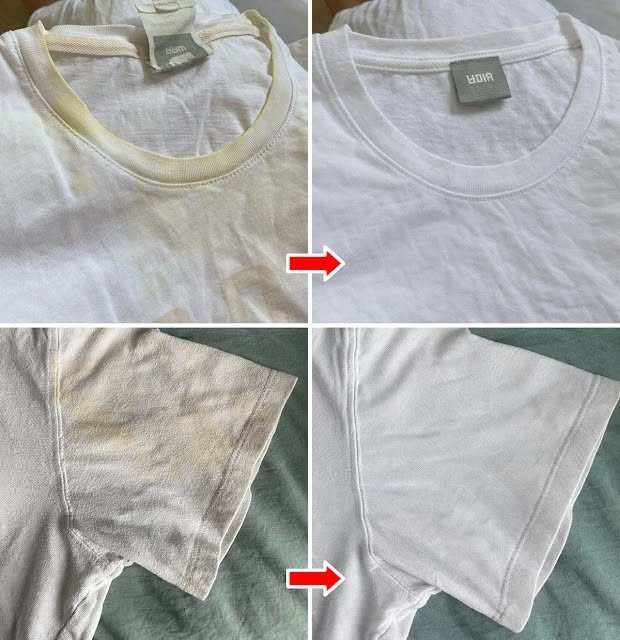
3 Effective Tricks to Whiten Laundry Without Using Bleach
Brighten dingy white laundry without chlorine bleach. Try these 3 practical methods and learn which stains they work best on.
White clothes and towels have a frustrating habit of losing their brightness.
They start out crisp and fresh, then slowly turn gray, yellow, or dull. Maybe it’s sweat and body oils. Maybe it’s detergent buildup. Maybe hard-water minerals are involved. Whatever the cause, the first instinct is often to reach for chlorine bleach.
But bleach isn’t your only option.
In fact, using too much chlorine bleach can damage some fabrics, weaken fibers, and even make certain stains harder to manage. If you’re looking for a gentler laundry routine, there are several practical alternatives.
Here are three effective ways to brighten white laundry without chlorine bleach, along with when to use each method, what mistakes to avoid, and how to get better results from your washing machine.
1. Use Oxygen Bleach for a Safer Whitening Boost
If you want the closest thing to a traditional bleach alternative, oxygen bleach is usually the first option to consider.
Unlike chlorine bleach, oxygen-based laundry whiteners typically use compounds such as sodium percarbonate that release hydrogen peroxide when dissolved in water.
The result is a whitening action that can help break down many organic stains and brighten fabrics.
It’s particularly useful for:
- White cotton towels
- Sheets
- T-shirts
- Socks
- Bedding
- Washable everyday clothing
How to use it
Always check the product label and your garment’s care instructions first.
For a typical laundry load:
- Add your normal detergent.
- Add the recommended amount of oxygen bleach.
- Wash according to the fabric’s care label.
- Allow the laundry to rinse thoroughly.
- Check the fabric before drying if you’re treating a stubborn stain.
For heavily dingy laundry, soaking may be more effective than simply adding the product to the wash.
Follow the package directions for the correct concentration and soaking time.
Why it works
Oxygen-based whiteners can help break down colored organic compounds responsible for many stains.
They’re particularly useful when your whites have gradually become dull rather than when you’re dealing with a specific mineral stain such as rust.
One important limitation
Oxygen bleach isn’t magic.
If a towel has been permanently dyed by a chemical reaction or has a deep rust stain, repeatedly soaking it may not restore the original color.
That’s why identifying the type of discoloration matters.
2. Try Baking Soda for Odor, Residue, and General Brightening
Baking soda is one of the most common laundry ingredients for a reason.
It can help with odors and can support the cleaning process when used with detergent.
But there’s a misconception worth clearing up:
Baking soda isn’t a powerful bleaching agent.
If you pour a cup into a washing machine and expect dramatically whiter clothes after one load, you may be disappointed.
Its usefulness is more subtle.
It can help neutralize odors and can contribute to a cleaner-feeling wash, particularly when laundry has accumulated body oils or detergent residue.
A simple method
For a standard load, add a modest amount of baking soda to the wash along with your regular detergent.
Follow your washer and detergent manufacturer’s recommendations, especially if you have a high-efficiency machine.
For particularly smelly towels, an occasional baking-soda wash may help freshen them.
When baking soda makes the most sense
Consider it when your laundry is:
- Musty
- Sweat-smelling
- Slightly dull
- Carrying detergent residue
- In need of a general refresh
When it isn’t the best choice
Don’t expect baking soda alone to remove serious rust, permanent dye transfer, or old oil-based stains.
For those problems, you’ll need a more targeted treatment.
3. Use Hydrogen Peroxide for Certain Stains and Dinginess
Hydrogen peroxide is another bleach alternative, and chemically speaking, it’s closely related to the active whitening chemistry used by many oxygen-based products.
A common household concentration is 3% hydrogen peroxide.
It can be useful for certain organic stains and can help brighten washable white fabrics.
How to approach it
Start conservatively.
Check the garment’s care label and test the solution on an inconspicuous area, particularly if you’re not certain how the fabric or finish will react.
For laundry, many people add a measured amount of 3% hydrogen peroxide to the wash rather than applying large quantities directly to fabric.
Always follow the manufacturer’s directions when the product is specifically labeled for laundry use.
What can it help with?
Hydrogen peroxide may be useful for stains caused by substances such as:
- Sweat
- Some food residues
- Certain organic stains
- General yellowing
But again, results depend heavily on the fabric and the cause of the discoloration.
The safety rule that matters most
Never mix hydrogen peroxide with chlorine bleach or other cleaning chemicals unless the product instructions explicitly state that the combination is safe.
Mixing household chemicals can create unwanted reactions.
When in doubt, use one product at a time.
Which Method Should You Choose?
Here’s a simple comparison:
| Method | Best for | Main advantage | Main limitation |
|---|---|---|---|
| Oxygen bleach | Dingy whites and organic stains | Strong whitening alternative | Not ideal for every stain |
| Baking soda | Odor and general freshness | Inexpensive and gentle | Limited whitening power |
| 3% hydrogen peroxide | Some organic stains and yellowing | Useful oxygen-based cleaner | Requires fabric testing and care |
If your whites are simply looking dull, oxygen bleach is usually the most direct alternative to chlorine bleach.
If the main problem is odor, baking soda may be enough.
If you’re treating a specific organic stain, hydrogen peroxide may be useful when appropriate for the fabric.
The Secret Ingredient Most People Forget: Water Temperature
The whitening method matters, but so does how you wash.
Check the care label and use the warmest temperature that’s safe for the fabric.
Warm or hot water can help with some oily and organic residues, while cold water is preferable for certain delicate fabrics and some stains.
But don’t assume hotter is always better.
Excessive heat can damage fibers and may set certain stains.
The goal is the right temperature for the fabric and the type of soil, not the hottest setting available.
Don’t Overload the Washing Machine
This simple mistake can make laundry look dirtier than it should.
When a washer is packed too tightly:
- Water can’t circulate properly.
- Detergent may not distribute evenly.
- Dirt can remain trapped in fabrics.
- Rinsing becomes less effective.
Towels and bedding are particularly bulky.
Give them enough room to move.
If your whites repeatedly come out dull, reducing the load size may improve results more than adding another cleaning product.
Why Your White Laundry Turns Yellow
Yellowing doesn’t always mean you need stronger bleach.
Common contributors include:
Body oils and sweat
Skin oils can accumulate in fabric, particularly around collars, pillowcases, underarms, and towels.
Detergent buildup
Using too much detergent can leave residue behind.
Improper rinsing
A washer that isn’t rinsing effectively may leave soil and product residues in the fabric.
Hard water
Minerals in hard water can interfere with cleaning and contribute to dull-looking laundry.
Storage
White clothing stored for long periods can sometimes develop yellowing depending on the fabric, environment, and residues left behind.
Understanding the cause makes treatment much easier.
A Better Way to Treat Yellow Underarm Stains
Underarm discoloration is often a combination of sweat, body oils, deodorant ingredients, and repeated washing.
Instead of throwing the entire garment into a stronger bleach solution, pre-treat the affected area.
Apply a suitable laundry stain remover according to its directions and allow enough contact time before washing.
For washable white fabrics, an oxygen-based product can be particularly useful.
Always test treatments on delicate or unfamiliar fabrics first.
What About Lemon Juice?
Lemon juice is another popular natural laundry trick.
Its acidity can help with some residues, and sunlight can make whites appear brighter.
But there’s an important distinction between a household trick and a reliable whitening treatment.
Lemon juice isn’t a universal stain remover.
It also isn’t necessarily the best choice for every fabric, and prolonged exposure to sunlight can affect some textiles.
If you’re looking for consistent results, a laundry product formulated for oxygen-based whitening is generally more predictable.
What About White Vinegar?
Vinegar is often described online as a laundry “miracle.”
It’s useful in certain household-cleaning situations, but it’s not a substitute for a dedicated whitening agent.
Vinegar can help with some odors and mineral residues, but it doesn’t function like chlorine bleach.
And there’s a safety rule you should never ignore:
Never mix vinegar with chlorine bleach.
Acid plus chlorine bleach can release toxic chlorine gas.
If you’re switching away from bleach, that’s another reason to use one cleaning method at a time rather than creating homemade chemical combinations.
A Simple Three-Step Whitening Routine
If your goal is consistently brighter whites, you don’t need a complicated system.
Step 1: Sort properly
Wash whites separately when practical.
Dark dyes can transfer, especially during washing.
Step 2: Pre-treat visible stains
Don’t wait until a stain has gone through multiple hot drying cycles.
Treat it while it’s fresh.
Step 3: Choose one whitening method
Use an oxygen-based whitener when appropriate.
Or use another suitable treatment for the specific stain.
Don’t throw several chemicals into the same load hoping they’ll work faster.
Common Mistakes That Make Whites Look Worse
Mistake 1: Using too much detergent
More detergent doesn’t necessarily mean cleaner laundry.
Fix: Follow the manufacturer’s dosing instructions.
Mistake 2: Washing everything in extremely hot water
Heat can damage certain fabrics and set some stains.
Fix: Follow the care label and match the temperature to the fabric.
Mistake 3: Drying a stain before checking it
Once a stain has been heated in the dryer, removing it can become more difficult.
Fix: Inspect stained items before drying.
Mistake 4: Mixing cleaning chemicals
This is unnecessary and potentially dangerous.
Fix: Use one treatment at a time and follow the product label.
Mistake 5: Assuming every yellow stain is the same
Yellowing from body oils is different from mineral staining or chemical discoloration.
Fix: Identify the likely cause first.
When Whitening Isn’t Going to Work
Sometimes a white garment isn’t dirty.
It’s damaged.
Chemical exposure, dye transfer, heat damage, or prolonged wear can permanently alter fabric color.
No cleaning method can guarantee restoration.
This is especially true when the fabric itself has been chemically bleached or dyed.
If a dark towel develops pale orange patches after exposure to a product such as benzoyl peroxide, for example, you’re dealing with a color change rather than an ordinary stain.
The best “whitening trick” in that situation is prevention.
How to Keep Whites Brighter for Longer
You don’t need to whiten your laundry aggressively every week.
A better strategy is preventing buildup.
Wash sweaty clothing reasonably soon
Don’t leave heavily soiled clothes sitting damp for days.
Don’t overload the washer
Give water and detergent room to work.
Use the correct detergent amount
Too little may not clean adequately; too much can leave residue.
Dry appropriately
Follow the care label and avoid excessive heat.
Treat stains early
Fresh stains are usually easier to address than old, repeatedly heated stains.
Clean your washing machine
A dirty washer can transfer odors and residues back onto laundry.
Frequently Asked Questions
What is the best bleach alternative for whitening clothes?
For many washable white fabrics, oxygen bleach is one of the most practical alternatives to chlorine bleach. It can help brighten dingy laundry and remove certain organic stains. Always check the product directions and garment-care label.
Does baking soda really whiten clothes?
Baking soda can help with odors and support the cleaning process, but it isn’t a powerful bleaching agent. It should be viewed as a laundry booster rather than a direct replacement for a whitening product.
Can hydrogen peroxide whiten white clothes?
3% hydrogen peroxide can help with certain stains and discoloration, but results vary by fabric and stain type. Test first and follow appropriate product directions.
Can I mix hydrogen peroxide with bleach?
Don’t mix them unless the product manufacturer specifically says the combination is safe. Using cleaning chemicals separately is the safer approach.
How can I whiten towels without chlorine bleach?
Oxygen bleach is a useful option for many washable white towels. Wash them without overloading the machine, use the recommended detergent amount, and allow the towels to rinse properly.
Why are my white clothes turning yellow?
Common causes include accumulated body oils, sweat, detergent residue, hard-water minerals, deodorant products, and aging fabric. Identifying the cause helps determine the best treatment.
Does vinegar make white clothes whiter?
Vinegar may help with certain odors and residues, but it isn’t a powerful whitening agent. It should not be mixed with chlorine bleach.
Is oxygen bleach safe for all fabrics?
No. Always check the product label and garment-care instructions. Some fabrics, dyes, finishes, and delicate materials require different treatment.
Why do my whites look gray after washing?
Overloading the washer, dye transfer, detergent residue, hard water, and inadequate rinsing can all contribute to gray-looking whites.
How often should I use a whitening treatment?
There is no universal schedule. Use whitening products when needed and according to their labels rather than automatically adding them to every wash.
Your No-Chlorine-Bleach Laundry Checklist
Do
- ☐ Sort white laundry appropriately
- ☐ Treat stains before drying
- ☐ Consider oxygen bleach for dingy whites
- ☐ Use baking soda primarily for odor and general laundry support
- ☐ Consider 3% hydrogen peroxide for appropriate organic stains
- ☐ Follow fabric-care labels
- ☐ Use the correct detergent amount
- ☐ Avoid overloading the washer
- ☐ Inspect stains before putting clothes in the dryer
Avoid
- ☐ Assuming more detergent means cleaner clothes
- ☐ Using extreme heat on unsuitable fabrics
- ☐ Mixing household cleaning chemicals
- ☐ Mixing vinegar with chlorine bleach
- ☐ Expecting one remedy to remove every type of discoloration
- ☐ Treating chemically bleached fabric as though it has an ordinary stain
You don’t need chlorine bleach every time your whites start looking tired.
For many loads, oxygen bleach, baking soda, and appropriately used hydrogen peroxide can each play a useful role—although they don’t all do the same job.
If you’re dealing with general dinginess, oxygen bleach is usually the strongest of these three options. For odors and everyday freshness, baking soda can be useful. For certain organic stains, 3% hydrogen peroxide may help when used appropriately.
The bigger secret is consistency: don’t overload your washer, use the correct amount of detergent, treat stains early, and choose the cleaning method based on what’s actually causing the discoloration.
Brighter laundry doesn’t require harsher laundry. Identify the problem, choose the right bleach-free method, and let good washing habits do much of the work.