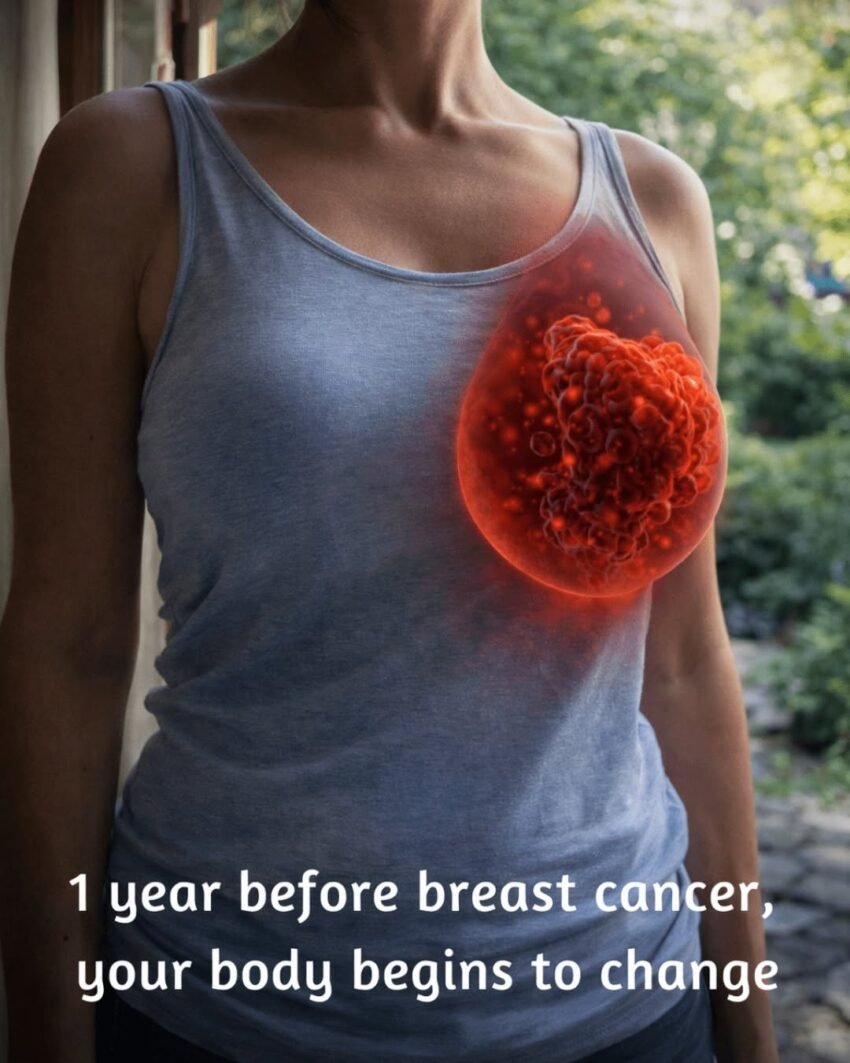
4 Early Signs of Breast Cancer You Shouldn’t Ignore: Warning Signals Your Body May Be Sending
Learn the four early signs of breast cancer you should never ignore, including changes in breast shape, lumps, skin changes, and nipple symptoms.
A small change in your body can be easy to dismiss.
Maybe you notice a slight difference in the way your breast looks. A new lump appears. Your skin texture changes. Something feels unusual, but you tell yourself it is probably nothing.
That reaction is common.
Many breast changes are not cancer. Hormonal changes, infections, cysts, injuries, and normal variations can all affect breast tissue. But some changes deserve attention because early detection of breast cancer can provide more options for treatment and care.
Breast cancer does not always begin with pain or a dramatic symptom. In fact, many early signs are subtle.
Knowing what to look for can help you recognize changes sooner and have informed conversations with a healthcare professional.
Here are four early breast cancer warning signs you should not ignore.
1. A New Lump or Thickened Area in the Breast or Underarm
A new lump is one of the most recognized warning signs of breast cancer.
However, not every lump means cancer.
Breast tissue naturally changes throughout life due to hormones, age, pregnancy, menstrual cycles, and other factors. Many lumps are benign, meaning they are not cancerous.
Still, a new lump should be checked, especially if it:
- Feels hard or irregular
- Is different from surrounding tissue
- Does not go away
- Appears in the breast or armpit area
- Changes over time
Some breast cancers create a lump that feels firm and may be painless.
This is why relying only on pain as a warning sign can be misleading.
2. Changes in Breast Size, Shape, or Appearance
Many people know what their breasts normally look and feel like.
That familiarity can make it easier to notice changes.
Pay attention if you observe:
- One breast becoming noticeably different in size or shape
- New swelling
- A change in contour
- A breast appearing pulled inward in one area
- Unusual asymmetry that was not present before
Breast changes can happen for many harmless reasons, but a new or unexplained difference should be discussed with a healthcare provider.
3. Skin Changes on the Breast
Changes on the surface of the breast may sometimes be a warning sign.
Look for:
- Dimpling or puckering
- Skin that resembles the texture of an orange peel
- Redness that does not improve
- Thickening of the skin
- Unusual warmth or irritation
These changes may happen when cancer affects tissues beneath the skin.
A common mistake is assuming skin changes are always caused by allergies, irritation, or clothing. While those explanations are possible, persistent changes deserve attention.
4. Nipple Changes or Unusual Discharge
Changes involving the nipple can sometimes signal a problem.
Warning signs include:
- A nipple that suddenly turns inward
- New nipple pain or discomfort
- Crusting or scaling around the nipple
- Discharge that occurs without squeezing
- Bloody or unusual-colored discharge
Many nipple changes have non-cancerous causes, but new symptoms should be evaluated rather than ignored.
Why Early Detection Matters
Breast cancer is not one single disease. Different types can behave differently and may require different approaches to treatment.
Finding changes earlier can help healthcare professionals:
- Identify the cause sooner
- Determine the appropriate next steps
- Begin treatment when necessary
- Monitor changes more closely
Early detection does not guarantee a specific outcome, but it can be an important factor in managing breast health.
What Breast Cancer Symptoms Often Get Overlooked?
Some people delay getting checked because the change seems too small.
Common reasons include:
“I don’t feel sick.”
“It doesn’t hurt.”
“I’m too young for breast cancer.”
“It will probably disappear.”
These thoughts are understandable, but breast cancer can occur at different ages, and symptoms are not always dramatic.
A small change that persists is worth discussing.
How to Check for Changes in Your Breasts
Breast self-awareness means knowing what is normal for you.
You do not need to follow a complicated routine.
Pay attention during everyday activities such as:
- Showering
- Getting dressed
- Applying lotion
- Looking in the mirror
Notice changes in:
- Appearance
- Texture
- Shape
- Sensation
If something feels different and does not return to normal, seek medical advice.
Breast Cancer Risk Factors to Know
Some factors may increase breast cancer risk, including:
- Getting older
- Family history of breast cancer
- Certain inherited gene changes
- Previous breast conditions
- Hormonal factors
- Alcohol use
- Being physically inactive
Having risk factors does not mean someone will develop breast cancer. Likewise, people without obvious risk factors can still develop it.
That is why awareness and appropriate screening matter.
Common Mistakes People Make
Mistake 1: Waiting for pain
Many people assume cancer should hurt.
Reality: Early breast cancer may not cause pain.
Better approach: Report new or unusual changes even if they are painless.
Mistake 2: Assuming every lump is cancer
This can create unnecessary fear.
Reality: Many breast lumps are not cancerous.
Better approach: Get new lumps evaluated rather than trying to diagnose them yourself.
Mistake 3: Ignoring changes because they seem minor
Small changes can be easy to overlook.
Better approach: Track changes and discuss persistent concerns with a healthcare professional.
Mistake 4: Skipping recommended screenings
Some breast cancers are found through screening before noticeable symptoms appear.
Better approach: Follow screening recommendations based on your age, risk factors, and medical guidance.
When Should You Contact a Healthcare Professional?
Consider making an appointment if you notice:
- A new breast or underarm lump
- Unexplained breast changes
- Persistent skin changes
- New nipple changes
- Unusual discharge
- Changes that do not resolve
A healthcare professional can determine whether further evaluation, imaging, or testing is needed.
Frequently Asked Questions
What is the first warning sign of breast cancer?
A new lump is one of the most common warning signs, but breast cancer can also appear through skin changes, nipple changes, or changes in breast appearance.
Does breast cancer always cause a lump?
No. Some breast cancers do not create a noticeable lump, which is why awareness and screening are important.
Can breast cancer happen without pain?
Yes. Many early breast cancers are painless.
Are all breast lumps cancer?
No. Many breast lumps are caused by non-cancerous conditions, but new lumps should be evaluated.
Can younger women get breast cancer?
Yes. Although risk increases with age, breast cancer can occur in younger adults.
Is nipple discharge always a sign of breast cancer?
No. Nipple discharge can have many causes, but unusual or bloody discharge should be checked.
How often should someone get a breast screening?
Screening recommendations vary based on age, risk factors, and healthcare guidelines. A healthcare provider can recommend an appropriate schedule.
Can lifestyle changes reduce breast cancer risk?
Healthy habits such as regular physical activity, maintaining a healthy weight, and limiting alcohol intake may help reduce risk for some people.
Breast Health Awareness Checklist
Do:
☐ Know what is normal for your breasts
☐ Pay attention to new changes
☐ Report unusual symptoms
☐ Follow recommended screening schedules
☐ Discuss family history with your healthcare provider
☐ Seek advice when something does not feel right
Avoid:
☐ Ignoring persistent changes
☐ Waiting for symptoms to become severe
☐ Assuming pain is required for cancer to be present
☐ Diagnosing yourself based on online information alone
☐ Skipping medical appointments
Final Thoughts
Your body often communicates through small changes before bigger problems appear.
A new lump, unusual skin change, breast shape difference, or nipple symptom does not automatically mean breast cancer. But ignoring changes that persist can delay answers.
The goal is not fear—it is awareness.
Knowing your normal, paying attention to changes, and seeking professional guidance when something feels different are powerful steps in protecting your health.
Share this information with someone who may benefit from learning these warning signs, and continue exploring reliable health information that helps you make informed decisions.
Breast changes are not always dangerous, but they are always worth noticing. Early attention can make a meaningful difference.