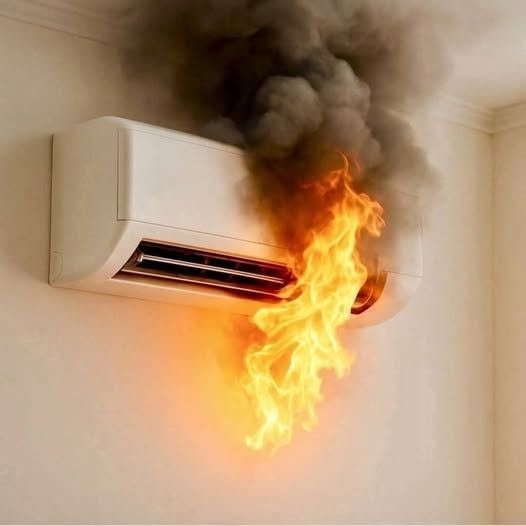
Hidden Dangers in Your Home: 5 Critical Fire and Explosion Hazards Lurking in Air Conditioning Systems
We rely on air conditioning systems to provide a cool, comfortable refuge during scorching summer months. Because these units quietly hum away in windows, attics, or exterior utility pads, most homeowners treat them with “out of sight, out of mind” complacency. We change the occasional filter, adjust the thermostat, and assume the machinery is entirely safe.
However, an air conditioning unit is a complex electrical and mechanical appliance operating under high pressures and heavy electrical loads. When maintenance is deferred or components fail, AC systems can transition from a comfort appliance into a severe fire or explosion hazard. Understanding these hidden risks can protect your property and save lives.
1. Electrical Short Circuits and Overloaded Wiring
Electrical failure is the leading cause of HVAC-related fires. Air conditioning units draw massive amounts of electrical current, especially during initial compressor startup.
-
The Hazard: Over time, vibrations can loosen wire connections, insulation on power lines can fray, and aging capacitors can overheat. If a compressor seizes up, it draws continuous, excessive current, causing wires to melt, spark, and ignite nearby dust, insulation, or plastic housing components.
-
The Prevention: Have a licensed technician inspect electrical connections, contactors, and capacitors annually, and ensure your dedicated circuit breaker matches the amperage requirements of your unit.
2. Refrigerant Leaks and High-Pressure Explosions
Modern and legacy air conditioners rely on pressurized refrigerants (such as R-410A or older regulated compounds) to absorb and release heat.
-
The Hazard: While standard refrigerants are generally non-flammable, older systems or specific alternative hydrocarbon blends can become combustible under extreme heat and pressure. Furthermore, if a closed system develops a pinhole leak, the compressor works overtime in a vacuum, generating extreme friction and overheating that can trigger a catastrophic pressure vessel failure or compressor explosion.
-
The Prevention: Never ignore a room that isn’t cooling efficiently or a hissing sound near the unit. Address refrigerant leaks immediately with certified professional intervention.
3. Motor Overheating and Bearing Seizure
Both the indoor blower motor and the outdoor condenser fan motor rely on lubricated bearings to spin smoothly at high speeds.
-
The Hazard: Dust, pet hair, and lack of maintenance cause bearings to dry out and seize. When a motor is blocked from turning but continues receiving electrical power, the winding coils rapidly heat up to extreme temperatures. This thermal runaway melts internal varnish and can easily ignite accumulated lint or nearby dust bunnies.
-
The Prevention: Lubricate motor ports if manufacturer-approved, listen for squealing or grinding noises during startup, and replace failing motors immediately rather than letting them run to failure.
4. Accumulation of Flammable Dust and Debris
An air conditioner’s interior is a magnet for airborne particulates, lint, dead insects, and environmental dust.
-
The Hazard: When filters are missing, broken, or left unchanged for months, a thick blanket of flammable organic debris settles directly onto electrical components, heating elements (in heat pump systems), and motor housings. If a stray electrical spark occurs, this dry debris acts as instant kindling, accelerating a localized short into a full-scale structural fire.
-
The Prevention: Inspect and replace disposable air filters every 30 to 90 days, and schedule professional deep cleaning of your evaporator and condenser coils annually.
5. Improper DIY Repairs and Unrated Modifications
With instructional videos widely available online, many homeowners attempt to troubleshoot complex HVAC issues—such as swapping capacitors, bypassing safety switches, or hard-wiring components—without proper training.
-
The Hazard: Using incorrect replacement parts, installing undersized wiring, or bypassing safety limit switches (like thermal overloads or pressure cut-outs) removes the safety nets designed to shut the system down before catastrophic failure occurs. A bypassed safety switch can allow an overheating compressor to run until it ruptures.
-
The Prevention: Leave high-voltage electrical repairs, refrigerant handling, and internal mechanical overhauls strictly to licensed, insured heating and cooling professionals.
Comparison: Neglected AC Systems vs. Properly Maintained Units
| Maintenance Area | Neglected Air Conditioning System | Properly Maintained System |
| Electrical Integrity | Loose connections, worn insulation, high risk of arcing. | Tight, secure wiring with verified component tolerances. |
| Airflow & Debris | Clogged filters, heavy dust buildup on motor housing. | Clean airflow, clear coils, and minimal combustible debris. |
| Safety Switches | Potentially bypassed or worn out from age. | Fully operational thermal and pressure cut-outs. |
| Fire Risk Profile | Significantly elevated due to thermal runaway and shorts. | Minimized risk via early detection and preventive service. |
Action Checklist
-
What to Do: Change air filters monthly during peak seasons, clear a two-foot clearance zone around outdoor condenser units, schedule annual professional HVAC tune-ups, and install interconnected smoke detectors near your air handler.
-
What to Avoid: Ignoring unusual burning smells or electrical hums, attempting DIY high-voltage repairs, bypassing safety limit switches, and allowing heavy dust accumulation inside the unit casing.
Air conditioning units are heavy-duty electrical appliances that demand respect and regular upkeep; ignoring warning signs or skipping routine maintenance invites severe fire and explosion hazards that can threaten your home and family.