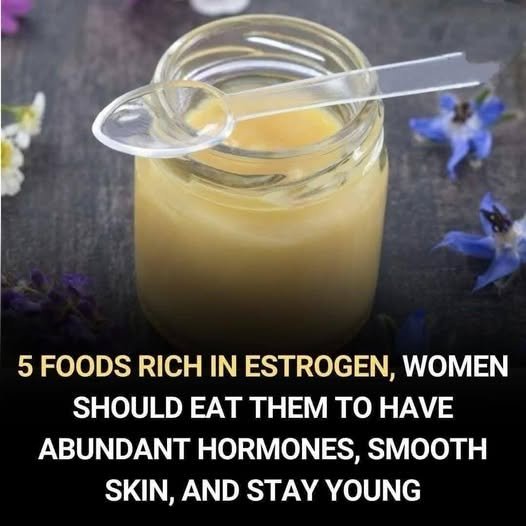
5 Foods Rich in Estrogen-Like Compounds That May Support Hormone Health
Discover 5 foods rich in phytoestrogens, natural plant compounds that may interact with estrogen pathways and support overall wellness.
5 Foods Rich in Estrogen: What These Foods Really Do in Your Body
The word “estrogen” often gets attention because this hormone plays a major role in the body.
It influences:
- Reproductive health
- Bone strength
- Skin and tissue health
- Menstrual cycles
- Mood and energy
- Many other biological processes
As people age or experience hormonal changes, many start looking for natural ways to support hormone balance.
That is where certain foods enter the conversation.
You may have heard that some foods are “high in estrogen.” The truth is a little more interesting:
Plants do not contain human estrogen.
Instead, some foods contain phytoestrogens—natural plant compounds that have a chemical structure similar enough to estrogen that they can interact with estrogen receptors in the body.
They do not work exactly like human estrogen, and their effects can vary depending on a person’s health, hormones, and overall diet.
Here are five foods especially known for their phytoestrogen content.
1. Soy Foods (One of the Richest Sources of Phytoestrogens)
Soy is probably the most studied food when it comes to plant-based estrogen-like compounds.
Soy foods contain isoflavones, a type of phytoestrogen.
Common soy foods include:
- Tofu
- Tempeh
- Edamame
- Soy milk
- Miso
Why Soy Gets Attention
Research has explored soy’s possible relationship with:
- Menopausal symptoms
- Bone health
- Heart health
- Cholesterol levels
Some studies suggest soy isoflavones may help reduce certain menopause-related symptoms, such as hot flashes, for some people.
However, results vary.
Soy is not a replacement for hormone therapy, and individual responses differ.
Simple Ways to Add Soy
Try:
- Adding tofu to stir-fries
- Eating edamame as a snack
- Using fortified soy milk in smoothies
2. Flaxseeds (Tiny Seeds With Powerful Plant Compounds)
Flaxseeds are one of the richest dietary sources of lignans, another type of phytoestrogen.
These small seeds also provide:
- Fiber
- Plant-based omega-3 fatty acids
- Protein
Why Flaxseeds Are Interesting
Researchers have studied flaxseed for possible connections with:
- Heart health
- Digestive health
- Hormone metabolism
Because whole flaxseeds can pass through the digestive system without being fully broken down, ground flaxseed is often easier for the body to use.
Easy Ways to Eat Flaxseed
Add ground flaxseed to:
- Oatmeal
- Yogurt
- Smoothies
- Baked goods
A small amount can provide a nutritional boost.
3. Sesame Seeds (A Traditional Food With Modern Interest)
Sesame seeds contain lignans, including compounds such as:
- Sesamin
- Sesamolin
They are also rich in:
- Healthy fats
- Minerals
- Antioxidants
Sesame seeds are common in many cuisines around the world.
You can enjoy them through:
- Tahini
- Sesame toppings
- Homemade dressings
- Asian-inspired dishes
4. Chickpeas and Other Legumes
Legumes are valuable sources of plant nutrients, including various phytoestrogen compounds.
Examples include:
- Chickpeas
- Lentils
- Beans
- Peas
They also provide:
- Fiber
- Protein
- Minerals
Why Legumes Matter for Hormone Health
A high-fiber diet supports healthy digestion, and the gut plays a role in how hormones are processed and eliminated.
Adding legumes regularly may support overall metabolic health.
Meal Ideas
Try:
- Hummus with vegetables
- Lentil soup
- Chickpea salads
- Bean-based meals
5. Dried Fruits (Especially Apricots, Dates, and Prunes)
Some dried fruits contain phytoestrogens, particularly lignans.
They also provide:
- Fiber
- Potassium
- Natural sweetness
Because dried fruits are concentrated, portion size matters.
A small serving can add nutrients, but large amounts can quickly increase sugar and calorie intake.
Healthy Ways to Eat Them
Combine dried fruit with:
- Nuts
- Plain yogurt
- Oatmeal
This helps create a more balanced snack.
Phytoestrogens vs Human Estrogen: What’s the Difference?
| Human Estrogen | Phytoestrogens |
|---|---|
| Produced by the body | Found naturally in plants |
| Strong hormone activity | Much weaker estrogen-like activity |
| Regulates many body processes | May interact with estrogen receptors |
| Changes with age and health | Depends on diet and metabolism |
Phytoestrogens are not the same as taking estrogen medication.
Do These Foods Increase Estrogen Levels?
Not exactly.
Eating soy, flaxseed, or other phytoestrogen-rich foods does not simply “raise estrogen” in everyone.
Their effects depend on:
- Genetics
- Gut bacteria
- Existing hormone levels
- Age
- Overall diet
Some researchers describe phytoestrogens as having a modulating effect, meaning they may have different effects in different situations.
Foods That Support Overall Hormone Health
Hormone balance depends on more than one food.
A supportive diet often includes:
Protein-Rich Foods
Examples:
- Eggs
- Fish
- Beans
- Poultry
- Greek yogurt
Protein supports muscle health and overall metabolism.
Healthy Fats
Examples:
- Olive oil
- Avocado
- Nuts
- Seeds
Fats are important for many hormone-related processes.
Colorful Plants
Examples:
- Berries
- Leafy greens
- Vegetables
They provide antioxidants and fiber.
Common Mistakes People Make About Estrogen Foods
Mistake 1: Thinking Food Works Like Hormone Medication
Foods may support health, but they do not replace prescribed hormone treatments.
Mistake 2: Eating Extremely Large Amounts
More is not always better.
A balanced diet is usually more beneficial than focusing heavily on one ingredient.
Mistake 3: Ignoring Personal Health Factors
People with certain medical conditions or hormone-sensitive health concerns should discuss major dietary changes with a healthcare professional.
Frequently Asked Questions
What food has the most phytoestrogens?
Soy foods and flaxseeds are among the richest dietary sources of phytoestrogens.
Do phytoestrogens increase breast size?
No. There is no strong evidence that eating phytoestrogen-rich foods increases breast size.
Are soy foods safe for women?
For most people, moderate amounts of traditional soy foods are considered safe and can be part of a healthy diet.
Can these foods help with menopause symptoms?
Some people may experience benefits, but results vary.
Do men have estrogen?
Yes. Men naturally produce estrogen in smaller amounts, and it plays roles in health.
Can flaxseed balance hormones?
Flaxseed supports overall nutrition and contains lignans, but it is not a guaranteed hormone-balancing treatment.
Should I eat estrogen-rich foods every day?
Many of these foods can be included regularly as part of a varied diet.
Are phytoestrogens the same as synthetic hormones?
No. They are plant compounds with much weaker activity than human hormones or medications.
Action Checklist
✔️ Add More
- Soy foods like tofu or edamame
- Ground flaxseed
- Sesame seeds
- Chickpeas and lentils
- Small portions of dried fruit
✔️ Support Hormone Health With
- Regular exercise
- Adequate sleep
- Balanced meals
- Stress management
- Routine health checkups
❌ Avoid
- Expecting one food to fix hormone problems
- Taking large amounts without guidance
- Replacing medical advice with internet claims
Conclusion
Foods containing phytoestrogens can be a valuable part of a healthy eating pattern. Soy, flaxseeds, sesame seeds, legumes, and certain dried fruits provide plant compounds that researchers continue to study for their possible role in hormone-related health.
The goal is not to “force” estrogen levels higher—it is to give your body the nutrients it needs to function well.
Phytoestrogen-rich foods may support overall wellness, but true hormone health comes from a balanced diet, healthy lifestyle habits, and personalized medical care when needed.
Small, consistent choices often make the biggest difference over time.