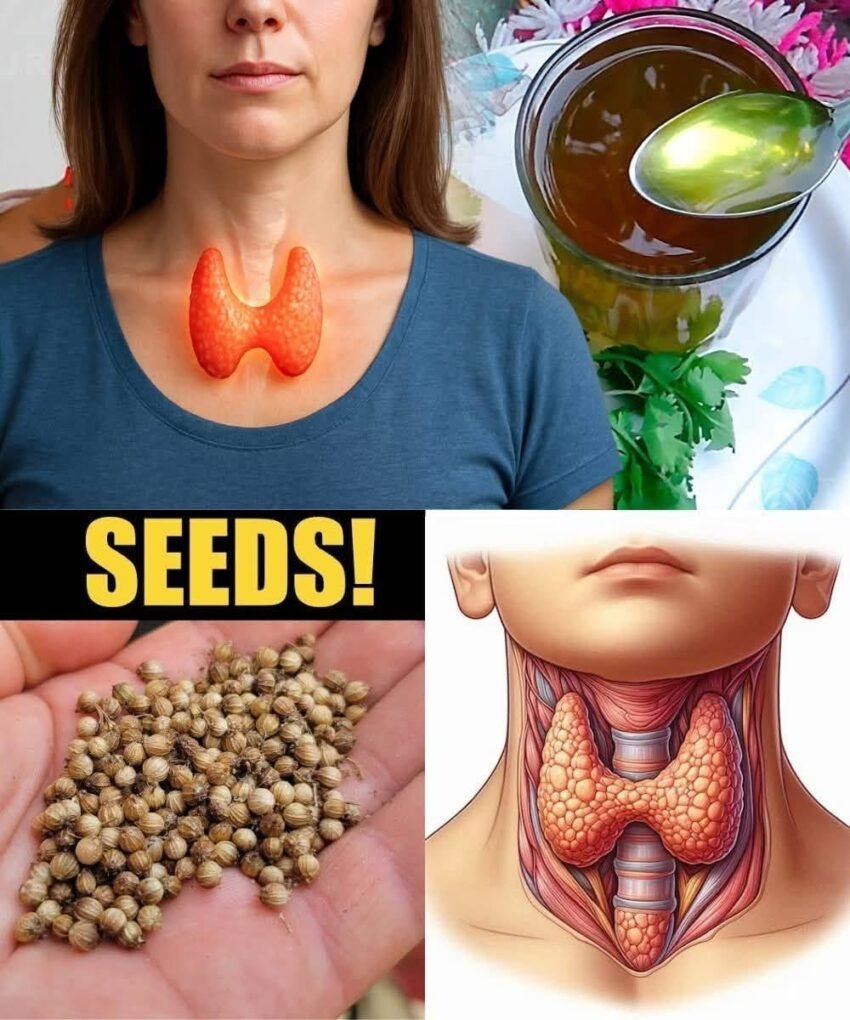
Revitalizing Your Metabolism: 6 Evidence-Based Steps to Support Thyroid Health Naturally
When your thyroid starts acting sluggishly, the ripple effects touch every corner of your life. Unexplained fatigue, brain fog, stubborn weight fluctuations, and hair thinning are all too common signs that this butterfly-shaped gland in your neck is struggling. While conventional medicine often relies exclusively on synthetic hormone replacement, an increasing number of integrative endocrinologists and functional health experts emphasize that foundational lifestyle, nutritional, and environmental shifts can powerfully support natural thyroid recovery.
Optimizing your thyroid function requires more than a quick fix—it demands a strategic, whole-body approach to reduce systemic inflammation and supply your endocrine system with the exact raw materials it needs to thrive.
Understanding the Thyroid-Gut Connection
Before diving into actionable steps, it helps to understand why a natural approach works. Over 20% of inactive thyroid hormone (T4) is converted into its active form (T3) directly in your gut, with the help of a healthy microbiome. If your gut lining is compromised—a condition often called leaky gut—or if chronic inflammation is running rampant, that conversion plummets. Healing your thyroid naturally means looking inward at your digestion, stress levels, and daily nutrition just as much as the gland itself.
6 Easy Steps to Support and Heal Your Thyroid Naturally
Implementing a natural healing protocol requires consistency, patience, and attention to detail.
-
Prioritize Targeted Thyroid Nutrients: Your thyroid cannot manufacture hormones out of thin air; it requires specific micronutrients. Ensure your diet includes adequate selenium (found abundantly in Brazil nuts), zinc (from pumpkin seeds and shellfish), and iodine (from wild-caught seafood and sea vegetables). Note: Avoid reckless high-dose iodine supplementation unless diagnosed with a deficiency, as excess iodine can trigger autoimmune flare-ups.
-
Audit Your Gut Health: Because gut bacteria dictate hormone conversion, repairing your intestinal lining is paramount. Incorporate bone broth, fermented foods like sauerkraut or kefir, and high-fiber prebiotic vegetables to foster a diverse, resilient microbiome that supports metabolic health.
-
Aggressively Manage Cortisol and Stress: Chronic psychological or physical stress pumps out high levels of cortisol, which directly inhibits the conversion of T4 to active T3 and blocks thyroid receptor sites. Build non-negotiable daily decompression habits—such as breathwork, walking in nature, or restorative yoga—into your routine.
-
Eliminate Hidden Dietary Triggers: Low-grade food sensitivities can keep the immune system in a state of high alert, often triggering or worsening autoimmune thyroid conditions like Hashimoto’s. Experiment with temporarily eliminating common inflammatory culprits like gluten, dairy, and ultra-processed seed oils to track how your energy and joint pain respond.
-
Optimize Your Sleep Architecture: The endocrine system relies heavily on deep, uninterrupted sleep to repair and regulate hormone production. Maintain a strict sleep-wake cycle, keep your bedroom cool and pitch-black, and cut off screen exposure an hour before bed to protect your natural melatonin and circadian rhythm.
-
Reduce Environmental Toxin Exposure: Endocrine-disrupting chemicals (EDCs) found in plastics, conventional non-stick cookware, synthetic fragrances, and tap water (specifically halides like fluoride and chlorine) actively compete with iodine receptors in your thyroid gland. Switch to filtered water, glass storage containers, and clean personal care products.
Real-World Scenarios: Finding Balance
Consider Rachel, a 38-year-old marketing manager who dealt with chronic fatigue, dry skin, and brain fog for years. Lab work revealed borderline sluggish thyroid markers, but her doctor suggested a “wait-and-watch” approach. Frustrated, Rachel overhauled her daily routine: she cut out gluten, started eating two Brazil nuts a day for selenium, swapped her chemical cleaning supplies for clean alternatives, and prioritized eight hours of sleep. Within three months, her energy returned, and her follow-up blood work showed marked improvement in her thyroid antibody levels.
Conversely, Mark tried self-diagnosing with massive over-the-counter iodine and kelp supplements after reading a viral post online. Because he had underlying Hashimoto’s thyroiditis, the massive iodine surge triggered an aggressive autoimmune flare-up, worsening his fatigue. Mark’s experience highlights why targeted food sources are safer than reckless, unmonitored megadoses.
Comparison of Thyroid Support Strategies
| Strategy | Primary Mechanism | Best For | Potential Pitfall |
| Nutrient-Dense Diet (Selenium/Zinc) | Provides raw biochemical blocks for hormone synthesis | General sluggishness and foundational health | Over-supplementing single minerals without testing |
| Gluten & Dairy Elimination | Lowers gut inflammation and immune cross-reactivity | Suspected autoimmune thyroid issues | Overly restrictive eating if done without guidance |
| Stress & Cortisol Control | Prevents suppression of active T3 conversion | Burnout-driven fatigue and weight stall | Treating stress management as optional rather than vital |
| Toxin Reduction (EDC Removal) | Protects iodine receptors from chemical competition | Long-term endocrine protection | Can feel overwhelming if done all at once |
Common Mistakes When Trying to Heal the Thyroid Naturally
-
Chasing single supplements: Popping generic “thyroid booster” pills loaded with proprietary blends instead of testing your actual blood levels (TSH, Free T3, Free T4, and Thyroid Antibodies) first.
-
Drastic caloric restriction: Adopting extreme low-calorie crash diets to lose stubborn weight, which signals starvation to the brain and causes the thyroid to intentionally down-shift metabolism further.
-
Ignoring underlying gut issues: Focusing entirely on the neck while continuing to consume foods that cause chronic intestinal distress and inflammation.
-
Expecting overnight results: Giving up after two weeks because natural healing takes time to shift cellular architecture and hormone receptor sensitivity.
Expert Insights: The Functional Medicine Perspective
Integrative functional medicine practitioners emphasize that natural healing does not mean abandoning conventional medicine entirely. If you have been prescribed levothyroxine or natural desiccated thyroid (NDT) medication by your physician, natural lifestyle interventions serve as a powerful complement to make your medication work more efficiently—not a replacement for medical supervision. Regular testing and close collaboration with an enlightened healthcare provider ensure you safely track your progress.
Frequently Asked Questions
Can hypothyroidism be completely cured naturally?
While some cases of mild, lifestyle-induced sluggishness can be fully reversed, autoimmune thyroid conditions like Hashimoto’s or Graves’ disease typically require lifelong management through a blend of smart lifestyle choices and medical oversight.
Why is gluten so often blamed for thyroid issues?
The protein structure of gluten closely mimics the molecular structure of thyroid tissue. In people with genetic predispositions, the immune system can accidentally attack the thyroid after reacting to gluten (molecular mimicry).
Is seaweed safe for thyroid health?
In moderation, whole-food seaweeds provide beneficial trace minerals. However, eating concentrated or excessive amounts of kelp can flood the thyroid with too much iodine, disrupting hormone production.
How long does it take to feel better after changing my diet for my thyroid?
Because metabolic turnover is slow, it typically takes anywhere from 6 to 12 weeks of consistent nutritional and lifestyle changes to notice a significant shift in energy and symptoms.
Can stress alone cause a thyroid problem?
Chronic stress will not create a structural thyroid disease on its own, but it can profoundly suppress thyroid function and mimic every symptom of clinical hypothyroidism through hormonal dysregulation.
Should I request a full thyroid panel from my doctor?
Yes. A standard doctor’s visit often only checks TSH (Thyroid-Stimulating Hormone). Requesting Free T3, Free T4, and Thyroid Peroxidase (TPO) antibodies provides a complete, accurate picture of your true thyroid health.
Can exercise help or hurt a sluggish thyroid?
Moderate exercise (like walking, strength training, and Pilates) supports metabolism. However, excessive high-intensity cardio when you are already deeply fatigued can drain your adrenals and worsen thyroid symptoms.
Action Checklist for Natural Thyroid Support
-
Do: Get a comprehensive thyroid blood panel done to establish your baseline markers.
-
Do: Eat whole, nutrient-dense foods rich in zinc, selenium, and healthy fats daily.
-
Do: Clean up your sleep routine and cut out endocrine-disrupting chemicals in your home.
-
Avoid: Taking high-dose iodine or single-nutrient supplements without professional guidance.
-
Avoid: Starving your body with extreme crash diets that signal metabolic panic.
Taking charge of your thyroid health requires patience, daily consistency, and a shift toward nourishing your body rather than fighting it. By supporting your gut, managing stress, and fueling your cells correctly, you can help your metabolism find its natural rhythm again.
Healing your thyroid naturally isn’t about finding a magic pill—it’s a systematic process of lowering gut inflammation, supplying essential micronutrients, and reducing daily stress to let your endocrine system function the way nature intended.