7 Effective Exercises to Reduce Heel Pain and Manage Plantar Fasciitis Naturally
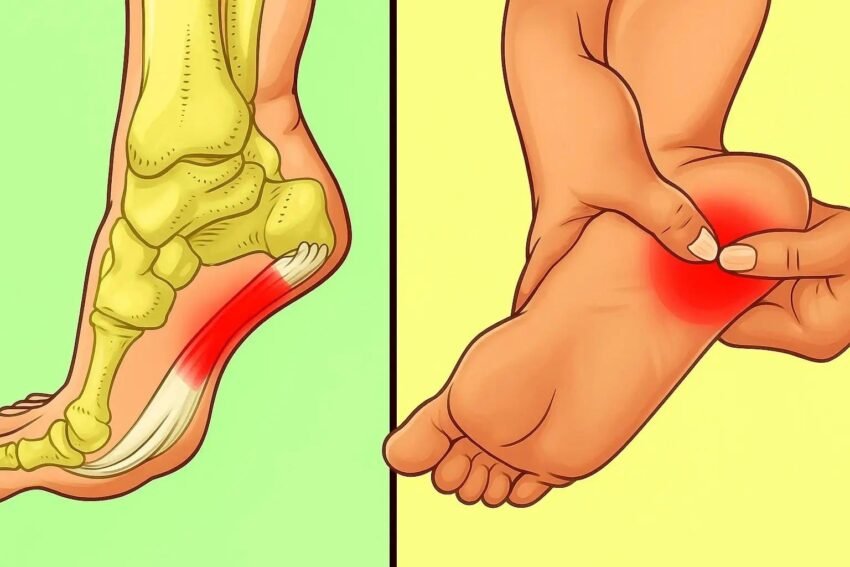
Waking up, placing your feet on the floor, and being greeted by a sharp, stabbing pain in your heel can instantly derail your morning. Plantar fasciitis—the inflammation of the thick band of tissue running across the bottom of your foot—affects millions of people, turning routine walks into painful chores.
While rest and anti-inflammatory medications offer temporary relief, addressing the root mechanical tightness in your calves, ankles, and plantar fascia is essential for long-term healing. Incorporating targeted physical movements into your daily routine can drastically reduce tension and restore natural foot mobility.
The Mechanics of Heel Pain
Plantar fasciitis typically stems from repetitive micro-trauma to the plantar fascia ligament, often aggravated by tight calf muscles, poor arch support, or sudden increases in physical activity. When your calves and Achilles tendons are restricted, your feet compensate by flattening incorrectly during each step, placing excessive strain on the heel insertion point.
Targeted stretching and strengthening exercises relieve this tension by lengthening the posterior chain and fortifying the intrinsic muscles that support your arches.
7 Effective Exercises for Plantar Fasciitis Relief
Implementing these evidence-based movements daily can help alleviate acute discomfort and rebuild structural foot resilience.
-
1. Frozen Bottle Roll: Sit in a chair and roll the arch of your affected foot back and forth over a frozen water bottle or tennis ball for 3 to 5 minutes. This provides an immediate localized ice massage while gently stretching the inflamed fascia tissue.
-
2. Towel Crunches: Sit upright with your foot resting flat on a small towel placed on a hard floor. Use your toes to scrunch the towel toward you, hold for a second, and then push it back out. This strengthens the intrinsic muscles inside the foot arch.
-
3. Standing Calf Stretch: Face a wall, place your hands against it, and step the painful foot backward, keeping that knee straight and heel flat on the floor. Lean forward until you feel a deep stretch in your upper calf, holding for 30 seconds across three repetitions.
-
4. Seated Towel Stretch: Sit on the floor with your legs extended straight forward. Loop a towel or resistance band around the ball of your foot, pull the ends back toward your body gently while keeping your knee straight, and hold for 20 to 30 seconds.
-
5. Step-Based Heel Drops: Stand with the balls of your feet on the edge of a sturdy staircase step, letting your heels hang off the back. Slowly lower your heels below the step level to create a deep stretch in the calves and Achilles tendons, holding for 15 seconds before rising back up.
-
6. Toe Extensions (Stretching the Fascia): Sit cross-legged and grab the toes of your painful foot. Pull them backward toward your shin until you feel a comfortable tension along the bottom of your foot, holding for 20 seconds.
-
7. Marble Pick-Ups: Place 10 to 15 small marbles and an empty cup on the floor. Use only your toes to pick up the marbles one by one and drop them into the cup, improving toe dexterity and lower-foot coordination.
Step-by-Step Daily Recovery Routine
Consistency dictates recovery success when managing chronic heel discomfort.
-
Morning Wake-Up: Perform the seated towel stretch and toe extensions before stepping out of bed to prevent initial tearing pain.
-
Midday Maintenance: Use the frozen bottle roll under your desk during work hours to manage midday stiffness.
-
Evening Unwinding: Dedicate 10 minutes to the standing calf stretch and step-based heel drops to release the day’s accumulation of tension.
Comparison of Natural Management Strategies
| Strategy | Primary Benefit | Best Used For |
| Targeted Stretching | Lengthens tight calves and fascia | Long-term flexibility and pain prevention |
| Ice/Cold Rolling | Reduces immediate inflammation and numbs pain | Flare-ups and end-of-day soreness |
| Intrinsic Strengthening | Builds arch support and foot stability | Preventing future injury recurrences |
| Night Splints | Keeps fascia stretched during sleep | Eliminating severe morning first-step pain |
Common Mistakes to Avoid
-
Stretching Cold Tissue: Never stretch your plantar fascia aggressively right out of bed without warming it up first, as cold tissues tear more easily.
-
Walking Barefoot on Hard Floors: Avoid walking completely barefoot indoors, even on carpet, as lack of arch support strains the healing ligament.
-
Ignoring Calf Tightness: Focusing solely on the foot while neglecting tight calf muscles will stall your recovery progress.
Expert Insights on Long-Term Healing
According to orthopedic and podiatric reviews, plantar fasciitis is rarely a quick fix. Because connective tissue has a limited blood supply compared to muscle tissue, structural remodeling requires patience. Committing to a daily 15-minute routine of stretching and strengthening yields significantly better long-term results than relying entirely on temporary padding or orthotics.
Managing heel pain naturally is entirely achievable with a disciplined, gentle approach to movement. By prioritizing tissue flexibility and arch strength, you can reclaim a pain-free stride.