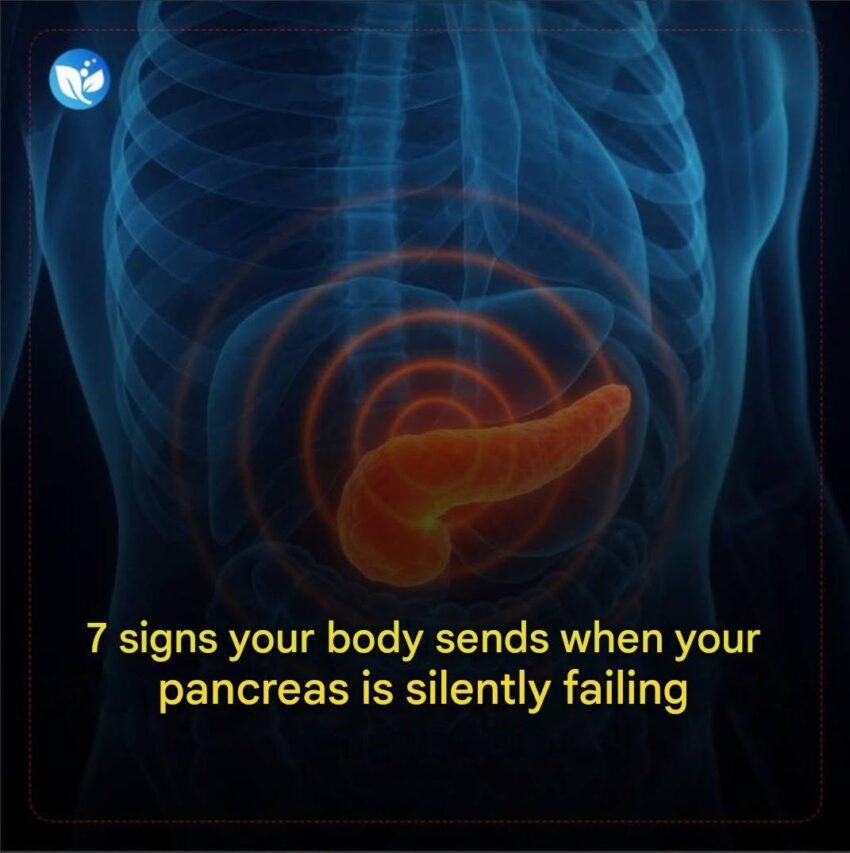
7 Signs Your Body Sends When Your Pancreas May Be Struggling — Warning Signals You Shouldn’t Ignore
Learn seven possible warning signs of pancreas problems, what they may mean, and when symptoms deserve medical attention.
Your pancreas works quietly behind the scenes every single day.
It helps your body digest food, control blood sugar, and process nutrients. Because it sits deep inside the abdomen, problems with the pancreas can sometimes develop without obvious early symptoms.
That is why many people overlook subtle changes.
A change in digestion. Unexpected weight loss. New blood sugar problems. A different color in your stool.
These signs can have many possible causes, and they do not automatically mean your pancreas is failing. But understanding what your body may be communicating can help you recognize when it is time to speak with a healthcare professional.
The pancreas is small, but its role is enormous. When it is not working properly, the effects can appear throughout the body.
What Does the Pancreas Do?
The pancreas is an organ located behind the stomach.
It performs two major jobs:
1. Digestion Support
The pancreas produces enzymes that help break down:
- Fats
- Proteins
- Carbohydrates
These enzymes travel into the small intestine, where they help your body absorb nutrients from food.
2. Blood Sugar Control
The pancreas also produces hormones, including:
- Insulin, which helps lower blood glucose
- Glucagon, which helps raise blood glucose when needed
When the pancreas cannot produce enough insulin or the body cannot use insulin properly, blood sugar problems can develop.
1. Unexplained Weight Loss
One possible sign of pancreatic problems is losing weight without trying.
This can happen for different reasons.
If the pancreas is not producing enough digestive enzymes, your body may have trouble absorbing nutrients from food.
You may notice:
- Losing weight despite eating normally
- Reduced appetite
- Feeling weaker than usual
However, unexplained weight loss has many possible causes, ranging from stress and dietary changes to other medical conditions.
A healthcare professional can help determine the reason.
2. Changes in Digestion or Stool Appearance
Your digestive system often gives clues when something changes.
If pancreatic enzymes are insufficient, the body may struggle to digest fats properly.
Possible signs include:
- Greasy-looking stools
- Floating stools
- Strong-smelling bowel movements
- Difficulty flushing stool away
These changes may suggest poor fat absorption, but they can also occur for other reasons.
Persistent changes should be evaluated.
3. Ongoing Upper Abdominal Pain
Pancreatic discomfort can sometimes appear as pain in the upper abdomen.
Some people describe it as:
- A deep ache
- A burning sensation
- Pain that spreads toward the back
Pain patterns vary widely depending on the cause.
Severe or sudden abdominal pain should always be taken seriously.
4. New or Worsening Blood Sugar Problems
Because the pancreas produces insulin, changes in pancreatic function can affect blood sugar regulation.
Possible warning signs of high blood sugar include:
- Increased thirst
- Frequent urination
- Increased hunger
- Fatigue
- Blurred vision
Many factors can contribute to blood sugar changes, including genetics, lifestyle, and other health conditions.
5. Yellowing of the Skin or Eyes
A yellow tint to the skin or whites of the eyes is called jaundice.
It happens when bilirubin, a substance produced during the breakdown of red blood cells, builds up in the body.
Possible signs include:
- Yellow eyes
- Dark urine
- Pale stools
- Itchy skin
Jaundice can have many causes and should be checked by a medical professional.
6. Loss of Appetite or Feeling Full Quickly
Some people with digestive or abdominal conditions notice changes in how they eat.
Examples:
- Feeling full after small amounts of food
- Less interest in eating
- Nausea after meals
These symptoms are not specific to pancreatic problems, but ongoing changes deserve attention.
7. Persistent Fatigue and Weakness
Feeling tired occasionally is normal.
But ongoing fatigue combined with other symptoms may signal that something in the body needs evaluation.
Possible reasons include:
- Poor nutrient absorption
- Blood sugar changes
- Inflammation
- Other underlying conditions
Fatigue alone does not identify a specific disease, but patterns matter.
Pancreas Warning Signs: A Quick Comparison
| Symptom | Possible Connection | Other Possible Causes |
|---|---|---|
| Unexplained weight loss | Poor nutrient absorption or illness | Diet changes, stress, other conditions |
| Greasy stools | Digestive enzyme problems | Diet changes, digestive disorders |
| Upper abdominal pain | Pancreatic inflammation or irritation | Many abdominal conditions |
| Blood sugar changes | Insulin-related issues | Lifestyle, genetics |
| Jaundice | Blockage affecting bile flow | Liver or gallbladder issues |
| Appetite changes | Digestive problems | Many causes |
| Fatigue | Nutrient or metabolic changes | Sleep, stress, other illnesses |
What Conditions Can Affect the Pancreas?
Several conditions may involve the pancreas.
Pancreatitis
Pancreatitis is inflammation of the pancreas.
It may cause:
- Abdominal pain
- Nausea
- Vomiting
- Fever in some cases
It can be acute (sudden) or chronic (long-lasting).
Pancreatic Exocrine Insufficiency
This occurs when the pancreas does not produce enough digestive enzymes.
Possible effects include:
- Poor nutrient absorption
- Digestive discomfort
- Weight loss
Diabetes and Pancreatic Function
Because insulin is produced by the pancreas, pancreatic problems can affect blood sugar control.
However, most diabetes cases are not caused by pancreatic failure.
When Should You See a Doctor?
Seek medical advice if you experience:
- Unexplained weight loss
- Persistent abdominal pain
- Yellowing of the eyes or skin
- Major changes in digestion
- New blood sugar problems
- Symptoms that continue or worsen
Emergency care may be needed for severe abdominal pain, especially when accompanied by vomiting, fever, fainting, or other concerning symptoms.
How to Support Pancreas Health
There is no guaranteed way to prevent every pancreatic condition, but healthy habits support overall organ function.
Maintain a Balanced Diet
Focus on:
- Vegetables and fruits
- Whole grains
- Lean proteins
- Healthy fats
Limit Excess Alcohol
Heavy alcohol use is a known risk factor for certain pancreatic problems.
Avoid Smoking
Smoking increases the risk of several serious health conditions, including pancreatic disease.
Maintain Healthy Blood Sugar Levels
Regular activity, balanced meals, and routine medical checkups can support metabolic health.
Common Mistakes People Make About Pancreas Symptoms
Mistake 1: Assuming One Symptom Has One Cause
A single symptom rarely tells the whole story.
For example, stomach discomfort can come from many digestive issues.
Mistake 2: Ignoring Persistent Changes
A symptom that continues for weeks or keeps returning deserves attention.
Mistake 3: Self-Diagnosing Online
Online information can help you understand possibilities, but only a healthcare professional can diagnose a condition.
Mini Scenario: Listening to the Body’s Signals
Mark noticed that his clothes were becoming looser even though his eating habits had not changed.
A few weeks later, he also noticed unusual digestive changes.
Instead of ignoring it, he scheduled a medical appointment.
The cause was identified through proper evaluation, and he was able to begin the right treatment.
The lesson is simple:
A symptom does not always mean the worst—but noticing patterns early gives you more options.
Frequently Asked Questions
Can the pancreas fail suddenly?
Some pancreatic problems can develop suddenly, while others develop gradually over time.
What are the first signs of pancreatic problems?
Early signs vary, but possible symptoms include digestive changes, abdominal discomfort, appetite changes, and unexplained weight loss.
Does pancreatic disease always cause pain?
No. Some pancreatic conditions may have mild symptoms or no obvious symptoms at first.
Can pancreatic problems affect blood sugar?
Yes. Since the pancreas produces insulin, certain pancreatic conditions can affect blood sugar regulation.
Are greasy stools always caused by the pancreas?
No. Greasy stools can have several causes, including digestive disorders and dietary factors.
Can you live without a pancreas?
In certain medical situations, people can live without a pancreas, but they require lifelong medical management.
How do doctors check pancreatic health?
Doctors may use blood tests, imaging studies, and other evaluations depending on symptoms.
Can diet repair a damaged pancreas?
A healthy diet can support overall health, but it cannot reverse every pancreatic condition.
Pancreas Health Checklist
✔️ Pay attention to:
- Unexplained weight changes
- Persistent digestive problems
- New blood sugar changes
- Ongoing abdominal pain
- Yellowing skin or eyes
✔️ Support your health with:
- Balanced nutrition
- Regular movement
- Avoiding smoking
- Limiting alcohol
- Routine medical care
❌ Avoid:
- Ignoring persistent symptoms
- Assuming every symptom is harmless
- Delaying medical advice for concerning changes
Conclusion
The pancreas may work quietly, but the signs it sends can be important.
Changes in digestion, weight, energy, and blood sugar may have many explanations—but when several symptoms appear together, they deserve attention.
Your body does not always send loud warnings. Sometimes it sends small signals first.
A single symptom does not mean your pancreas is failing, but persistent or unusual changes—especially when combined—are worth discussing with a healthcare professional. Early attention can help identify problems sooner and lead to better care.