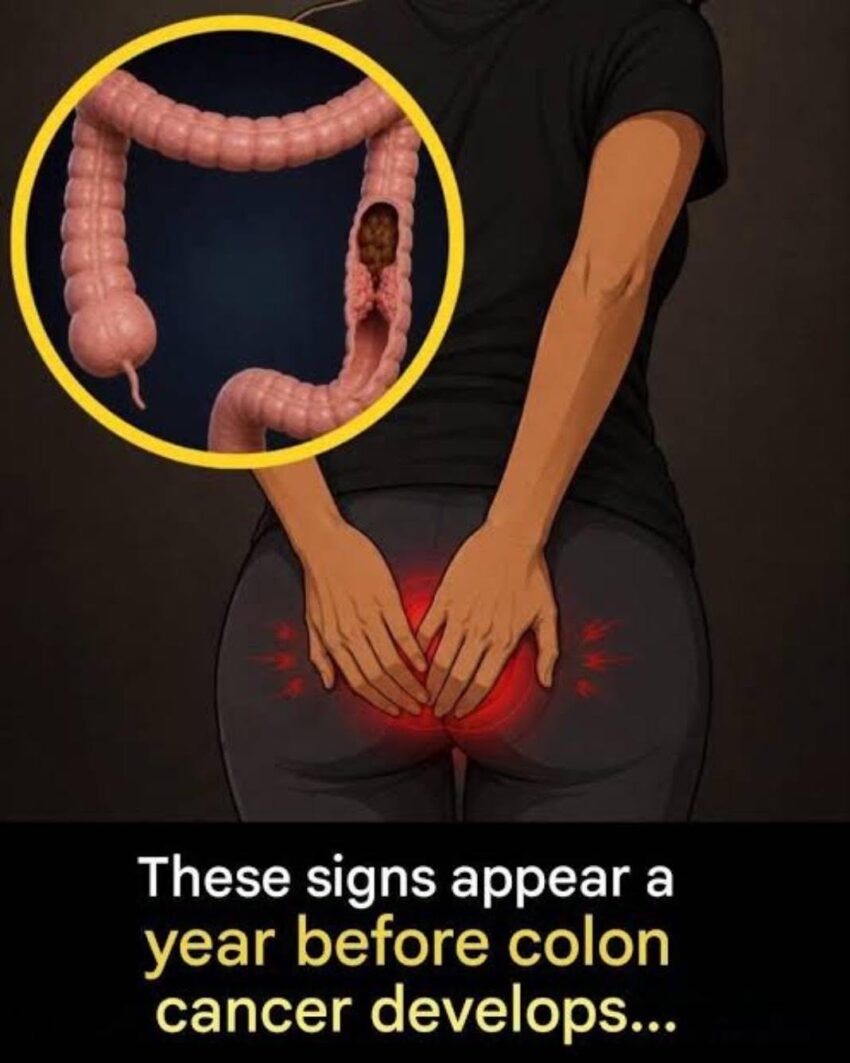
8 Subtle Warning Signs of Colon Cancer You Should Never Ignore
Colorectal cancer rates are rising in younger adults. Learn the 8 warning signs of colon cancer, red flags, and when to speak with your doctor.
When it comes to our health, it is easy to normalize everyday digestive quirks. Between busy schedules, stressful work weeks, and modern diets, most of us brush off occasional bloating, irregular bowel movements, or mild fatigue as the unavoidable cost of adulting.
However, when it comes to colorectal cancer—the third most commonly diagnosed cancer in the United States—paying attention to persistent changes in your body can be life-saving.
For decades, colon cancer was viewed primarily as a disease affecting older adults. Today, medical oncologists are sounding the alarm over a concerning trend: rates of colorectal cancer in adults under 50 are steadily climbing. Because younger populations (and even their primary care physicians) often don’t immediately suspect colon cancer, symptoms are frequently overlooked or misattributed to hemorrhoids, irritable bowel syndrome (IBS), or stress.
Recognizing early warning signs gives you the power to catch issues long before they become advanced. Here are eight critical red flags you should never ignore.
Why Early Detection Matters More Than Ever
Colorectal cancer typically begins as small, noncancerous growths called polyps inside the colon or rectum. Over time, some of these polyps can transform into malignant tumors.
The American Cancer Society emphasizes that when colorectal cancer is detected early at a localized stage, the 5-year relative survival rate is remarkably high—around 91%. Yet, millions of Americans delay screenings or dismiss persistent symptoms until the disease has progressed. Understanding the early whispers of your digestive system bridges the gap between successful treatment and late-stage intervention.
The 8 Warning Signs of Colon Cancer
+-----------------------------------+-----------------------------------+
| Warning Sign                      | What It Often Feels Like          |
+-----------------------------------+-----------------------------------+
| Persistent Changes in Bowel Habits| Unexplained diarrhea/constipation |
| Rectal Bleeding or Blood in Stool | Bright red blood or dark stools   |
| Ongoing Abdominal Discomfort      | Cramping, gas, or persistent aches|
| The Feeling of Incomplete Emptying| Tenesmus (feeling you need to go) |
| Unexplained Iron Deficiency Anemia| Chronic fatigue, pale skin, weakness|
| Unexplained Weight Loss           | Dropping pounds without trying    |
| Chronic Fatigue                   | Exhaustion not fixed by sleep     |
| Narrower "Pencil" Stools          | Persistent change in stool caliber|
+-----------------------------------+-----------------------------------+
1. Persistent Changes in Your Normal Bowel Habits
Everyone has occasional digestive irregularities caused by travel, food poisoning, or stress. However, if you notice a sudden, sustained shift in your bowel pattern—such as alternating bouts of unexplained diarrhea and constipation that last for more than a few days to a couple of weeks—it warrants a closer look.
2. Rectal Bleeding or Blood in Your Stool
Finding blood in the toilet bowl or on toilet paper is naturally alarming. While it is frequently caused by benign conditions like internal hemorrhoids or anal fissures, it is also one of the hallmark indicators of a colorectal tumor. Blood can appear bright red or make your stool look dark, tarry, or black. Never assume it is “just hemorrhoids” without a professional confirmation.
3. Ongoing Abdominal Discomfort, Cramps, or Pain
A growing tumor inside the colon can cause physical blockages or irritation, leading to persistent abdominal cramping, gas pains, or a feeling of fullness that doesn’t resolve with standard antacids or dietary changes.
4. The Sensation That Your Bowel Doesn’t Empty Completely
Medically known as tenesmus, this is a lingering, uncomfortable sensation that you still need to have a bowel movement even immediately after you have just finished one. It occurs when a tumor or inflammation in the rectum tricks your nervous system into feeling fullness.
5. Unexplained Iron Deficiency Anemia
If routine blood work reveals that your hemoglobin or ferritin levels have dropped significantly without an obvious cause (such as heavy menstrual bleeding), doctors take notice. Slow, microscopic bleeding from a colon tumor can drain iron reserves over months, leading to chronic fatigue, pale skin, and weakness.
6. Unexplained Weight Loss
Dropping weight rapidly without altering your diet, cutting calories, or ramping up your exercise routine is a classic systemic warning sign for multiple types of cancer, including colorectal malignancies.
7. Chronic, Debilitating Fatigue
Cancer cells alter your body’s metabolism, and chronic blood loss drains your energy reserves. If you find yourself completely exhausted day after day despite getting 8 hours of quality sleep, your body may be fighting an invisible battle.
8. Narrower “Pencil” Stools
If your stools consistently look unusually thin, pencil-thin, or ribbon-like for more than a few days, it can indicate that a mass or obstruction further down the colon is physically narrowing the pathway.
Actionable Guide: When to Consult a Gastroenterologist
If you recognize one or more of these symptoms, do not panic—most digestive issues have benign explanations. However, you should take a methodical approach to your health:
-
The Two-Week Rule: If a digestive symptom persists for more than two weeks straight despite lifestyle adjustments, it moves out of the “casual quirk” category.
-
Document Your Symptoms: Keep a brief log of when the symptoms occur, what they look like, and whether they are worsening. This information is invaluable to a physician.
-
Request the Right Screening: If you are over 45 (the current recommended screening age for average-risk adults in the US), schedule your screening colonoscopy. If you are experiencing persistent red-flag symptoms below age 45, advocate for a diagnostic evaluation rather than a dismissive IBS diagnosis.
Common Mistakes to Avoid
-
Mistake 1: Assuming You Are Too Young
-
The Reality: While average-risk screening starts at 45, early-onset colorectal cancer in adults in their 20s, 30s, and early 40s is rising. Symptoms should be investigated regardless of age.
-
-
Mistake 2: Self-Diagnosing with IBS or Hemorrhoids
-
The Reality: Symptoms of colon cancer heavily overlap with benign conditions. Only a physical exam, stool test, or colonoscopy can rule out malignancy.
-
Frequently Asked Questions
1. What is the standard screening age for colon cancer in the US?
Current guidelines from the US Preventive Services Task Force recommend that average-risk adults begin regular screening for colorectal cancer at age 45.
2. Is a colonoscopy the only way to check for colon cancer?
No. While a colonoscopy is the gold standard because doctors can find and remove precancerous polyps during the same procedure, other options include stool-based tests (like Cologuard or FIT tests) and CT colonography.
3. Can diet and lifestyle prevent colon cancer?
Yes. Eating a fiber-rich diet with plenty of vegetables, fruits, and whole grains while limiting ultra-processed foods, red meats, alcohol, and smoking significantly lowers your lifetime risk.
4. Do colon polyps always turn into cancer?
No. Most polyps are benign (noncancerous). However, a specific type called adenomatous polyps can become malignant over time if left undetected and unremoved.
5. What should I expect during a colonoscopy?
Patients undergo light sedation (sleep) during the procedure. The doctor uses a thin, flexible tube with a camera to examine the entire colon lining. The prep work (clearing the colon the day before) is generally considered the most challenging part, while the procedure itself is painless.
Action Checklist
-
What to Do:
-
Check your age and family medical history—if you are 45+ or have a close relative with colon cancer, schedule a screening discussion.
-
Listen to your body and track any digestive changes lasting longer than two weeks.
-
-
What to Avoid:
-
Don’t let embarrassment or fear delay you from talking to your doctor about rectal bleeding or bowel changes.
-
Conclusion
Your body is remarkably good at sending signals when something is out of balance. The symptoms of colon cancer are easy to dismiss in our fast-paced lives, but listening to persistent changes can save your life. Early detection transforms a terrifying diagnosis into a highly treatable hurdle.
Never ignore persistent changes in your bowel habits, unexplained bleeding, or chronic fatigue—advocate for your health and get checked.
Have you or someone you know experienced unexpected health symptoms that turned out to be something important? Share your thoughts or encouragement in the comments below!