9 Nighttime Symptoms That Could Be Early Warning Signs of Diabetes
Discover the quiet signals your body sends after dark. From unexplained midnight wake-ups to subtle shifts in comfort, learn the 9 critical nighttime symptoms of early diabetes you shouldn’t ignore.
Wake up frequently at night or notice strange symptoms after dark? Explore 9 subtle nighttime signs of early diabetes and when to talk to your doctor.
It is 2:42 AM. The house is dark, but you are staring at the ceiling again, your throat parched as if you have been walking through a desert. You pad quietly into the kitchen, chugging a full glass of cold water, only to realize that within an hour, your bladder will force you right back out of bed.
Most of us chalk these restless nights up to stress, a late-night snack, or simply getting older. We blame the mattress, the evening cup of coffee, or the ambient temperature in the bedroom. We roll over, adjust the pillows, and promise ourselves we will catch up on sleep over the weekend.
However, your body has a way of communicating when its internal chemistry shifts out of balance. Long before a routine blood test catches creeping glucose levels, metabolic disruptions often whisper their presence during the quietest hours of the day. When insulin resistance begins to take root, the physiological toll does not clock out when the sun goes down. In fact, the transition from wakefulness to rest often unmasks subtle biological distress signals that busy daytime routines easily mask.
Recognizing these nocturnal warnings can change the trajectory of your long-term health. Metabolic shifts rarely happen overnight; they build momentum in the shadows. Understanding what happens when your body tries to rest while processing excess sugar is the first step toward reclaiming both your nights and your mornings.
Understanding the Nocturnal Metabolic Shift
To understand why diabetes shows up in the dark, we have to look at how the body manages energy while we sleep. During the day, constant movement, eating, and stress keep your metabolism in an active state of flux. Your cells burn glucose continuously, masking minor inefficiencies in how your pancreas produces insulin or how your tissues respond to it.
When you lie down to sleep, your body shifts into a restorative, maintenance-heavy state. Hormones fluctuate, cortisol rhythms adjust, and your kidneys alter their filtration rates. If your blood glucose levels are running elevated—even if you have not yet crossed the threshold into a formal type 2 diabetes diagnosis—this delicate nocturnal balancing act gets thrown off.
The consequences ripple through multiple physiological systems. Kidneys work overtime to clear surplus sugar, nerve endings react to micro-environments influenced by glucose variability, and autonomic nervous system responses trigger unexpected awakenings. Ignoring these whispers allows subtle metabolic friction to compound into systemic health challenges.
9 Nightstring Symptoms of Early Diabetes
Pay close attention to what your body experiences between dusk and dawn. These nine patterns are frequently overlooked early indicators.
1. Nocturia (Frequent Nighttime Urination)
Waking up once to use the bathroom is common, but getting up two, three, or four times every single night is not normal aging. When blood glucose levels run high, your kidneys attempt to clear the excess sugar out of your bloodstream. Because glucose draws water with it via osmotic diuresis, your kidneys pull fluid from your tissues, flooding your bladder. This creates a relentless cycle: high sugar leads to excess filtration, which leads to nighttime trips to the bathroom, which leads to fractured sleep.
2. Persistent Midnight Thirst (Polydipsia)
That dry, cotton-mouth feeling that wakes you up isn’t just about a dry bedroom air conditioner. It is a direct physiological response to fluid depletion. Because your kidneys are drawing water out of your cells to flush out excess glucose, your brain triggers an urgent survival signal: thirst. Waking up with a desperate need for water—and chugging large amounts without fully quenching the dryness—often points directly to nocturnal dehydration driven by elevated blood sugar.
3. Nocturnal Muscle Cramps and Spasms
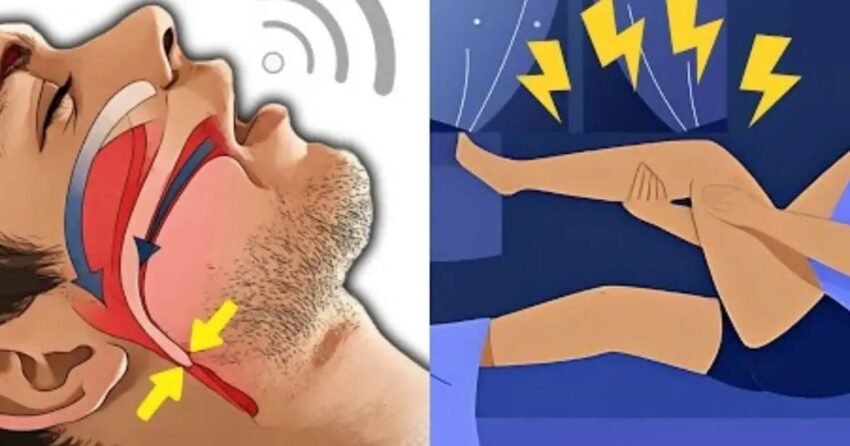
You are drifting off to sleep when suddenly a violent cramp seizes your calf or foot, causing you to jump out of bed in pain. While athletes and pregnant individuals experience cramps, frequent and unexplained nighttime muscle spasms can be tied to metabolic health. Fluctuating fluid levels, electrolyte imbalances caused by excessive urination, and early-stage microvascular changes can irritate motor neurons, making muscles prone to painful contractions in the middle of the night.
4. Unexplained Night Sweats and Temperature Flutters
Waking up drenched in sweat when the bedroom is cool is commonly associated with menopause or stress, but erratic blood sugar can also be the culprit. When glucose regulation becomes unstable, the body can experience nocturnal reactive hypoglycemia or autonomic neuropathy. These shifts trigger surges in stress hormones like adrenaline and cortisol, mimicking a fight-or-flight response while you sleep and leading to sudden hot flashes and cold sweats.
5. Tingling, Numbness, or “Pins and Needles” in the Feet
As you lie quietly in bed, away from the distractions of the day, you might notice a strange prickling sensation, numbness, or a burning discomfort in your feet and toes. This is often when early peripheral neuropathy whispers its presence. Elevated blood sugar over time damages the tiny blood vessels that nourish your nerves. During the day, physical activity and movement distract your brain from these sensations; at night, the quiet stillness amplifies them.
6. Restless Legs and Creepy-Crawlies
Tossing and turning because you feel an irresistible, almost agonizing urge to move your legs can severely disrupt sleep architecture. While restless legs syndrome (RLS) has multiple causes, researchers have found a strong clinical correlation between insulin resistance, poor glucose control, and restless limbs at night. The underlying microvascular and neurological irritation makes it nearly impossible for your legs to settle down once you lie horizontal.
7. Bizarre, Vivid Dreams or Nocturnal Anxiety
Blood glucose volatility doesn’t just affect your muscles and nerves; it impacts your brain chemistry. When blood sugar drops or spikes significantly during the night, your brain perceives a mild physiological emergency. This triggers the release of counter-regulatory hormones like epinephrine, which can pull you out of deep sleep cycles abruptly. The result? Waking up with sudden, unexplained anxiety, a racing heart, or startlingly vivid, jarring dreams that leave you feeling exhausted by morning.
8. Nocturnal Itching (Pruritus)
Dry, itchy skin that flares up specifically at night can be more than just a reaction to laundry detergent or low humidity. High blood sugar causes systemic dehydration, robbing the skin of its natural moisture barrier. Furthermore, poor circulation and elevated glucose levels create an ideal environment for mild fungal or bacterial skin irritations to flare up. When you settle down to rest, the reduction in sensory distractions makes that deep-seated itch feel remarkably intense.
9. Morning Fatigue Despite “Full” Hours in Bed
You got eight hours of sleep on paper, but you wake up feeling like you were hit by a truck. If your nights are peppered with micro-awakenings driven by nocturia, hormonal fluctuations, and autonomic nervous system stress, your brain never reaches or sustains the deep, restorative stages of slow-wave and REM sleep. Waking up unrefreshed isn’t just about sleep duration; it is frequently a sign of poor sleep quality dictated by internal metabolic disruption.
The Modern Lifestyle Connection: Why This Happens Now
The rise in metabolic dysfunction across the United States is well-documented. According to the Centers for Disease Control and Prevention (CDC), over 38 million Americans have diabetes, and nearly 1 in 5 of them do not even know it. Millions more live with prediabetes.
Modern American habits create a perfect storm for metabolic strain. Late-night dining routines—often rich in refined carbohydrates and ultra-processed foods—force the pancreas to pump out insulin right when the body’s natural circadian rhythm is preparing to wind down for rest. Insulin sensitivity naturally dips in the evening hours due to our internal biological clock. When you flood your system with heavy carbohydrates late at night, your blood sugar stays elevated longer, setting off the cascade of nocturnal symptoms outlined above.
Ignoring these early signs carries real consequences. Over time, chronic low-grade hyperglycemia damages blood vessels, strains cardiovascular health, impairs nerve function, and accelerates the transition from insulin resistance to full-scale type 2 diabetes. Catching these signals early offers a powerful window for lifestyle intervention.
Step-by-Step Actionable Guide to Evaluating Your Nights
If these symptoms sound familiar, do not panic. Instead, adopt a systematic approach to understanding your body’s signals over the next two weeks.
-
Audit Your Sleep Environment and Habits: Track your bedtime routine, including the exact timing of your last meal and the macronutrient breakdown of your evening snack. Notice if heavy carbs correlate with midnight wake-ups.
-
Keep a Detailed Symptom Journal: For 14 days, record how many times you wake up, whether you feel thirsty, if you experience cramps or tingling, and how refreshed you feel upon waking.
-
Monitor Fluid Intake and Output: Pay attention to whether your evening thirst matches your actual hydration needs or feels compulsive and unquenchable.
-
Schedule a Metabolic Panel: Take your symptom log to your primary care physician and request a hemoglobin A1c test or a fasting blood glucose check. A simple lab draw provides definitive clarity.
-
Optimize Your Evening Nutrition: Shift your largest meal earlier in the evening and focus on fiber, healthy fats, and lean proteins if you need a light pre-sleep snack, minimizing refined sugars and simple starches.
Real-World Scenario: Breaking the Cycle
Consider David, a 44-year-old project manager living in Chicago. For months, David blamed his frequent 3:00 AM wake-ups and unquenchable thirst on work stress and dry winter air from his apartment radiator. He kept a large bottle of water on his nightstand, assumed his morning brain fog was just part of aging, and pushed through.
It wasn’t until his spouse noticed he was getting up three times every night—and pointing out that his feet occasionally tingled when watching television—that David decided to mention it during his annual physical. His routine lab work revealed an A1c of 6.4%, placing him squarely in the prediabetes range with trending insulin resistance.
Armed with that data, David didn’t need immediate medication. Instead, he worked with his doctor to modify his late-night eating habits, incorporated a brief evening walk after dinner to help utilize circulating glucose, and focused on sleep hygiene. Within three months, his nocturnal thirst vanished, his sleep consolidation improved, and his follow-up blood work moved back into a healthier range.
Comparing Common Causes of Nighttime Disruptions
| Symptom Pattern | Potential Lifestyle Cause | Potential Metabolic Indicator |
| Frequent Thirst & Urination | High sodium dinner, excessive evening alcohol | Osmotic diuresis from elevated blood glucose |
| Foot Tingling / Numbness | Poor sleeping position, compressed nerve | Early peripheral nerve irritation from glucose variability |
| Night Sweats | Heavy bedding, room temperature, stress | Autonomic nervous system surges, glucose volatility |
| Morning Exhaustion | Sleep apnea, inconsistent sleep schedule | Fragmented sleep architecture caused by metabolic stress |
Pros and Cons of Early Metabolic Self-Monitoring
Pros:
-
Empowers you with concrete data before visiting a healthcare provider.
-
Allows for lifestyle and dietary interventions while reversal is easiest.
-
Improves overall sleep quality and daily energy levels.
-
Builds long-term body awareness and health literacy.
Cons:
-
Can lead to health anxiety or hyper-fixation on minor physical sensations.
-
At-home tracking does not replace formal clinical diagnostic testing.
-
Requires consistent discipline with journaling and habit changes.
Common Mistakes and How to Fix Them
-
Mistake: Assuming young age or high physical activity completely immunizes you against metabolic shifts.
-
Fix: Recognize that genetics, chronic stress, and sleep deprivation play massive roles independent of weight or fitness level.
-
-
Mistake: Self-diagnosing based on a single restless night or isolated symptom.
-
Fix: Look for persistent patterns lasting two weeks or more, and always confirm findings with professional lab work.
-
-
Mistake: Relying on over-the-counter sleep aids to mask chronic nighttime awakenings.
-
Fix: Investigate the root cause of the waking rather than drugging your nervous system into forced unconsciousness.
-
Expert Insights and Future Outlook
The intersection of sleep science and metabolic health is one of the fastest-evolving fields in modern medicine. Researchers at leading institutions like Harvard Medical School and the Mayo Clinic continue to uncover bidirectional links between circadian rhythm disruption and insulin resistance. Poor sleep impairs glucose tolerance the very next day, creating a destructive feedback loop.
Looking ahead to future clinical care, continuous glucose monitors (CGMs) are moving beyond the management of diagnosed diabetes into preventive wellness. Healthy individuals are increasingly utilizing short-term wearable data to observe how specific foods and late-night habits uniquely impact their overnight glucose stability. This democratization of biometric data means future health strategies will rely heavily on catching micro-fluctuations in the dark before they manifest as daytime pathology.
Frequently Asked Questions
Can drinking too much water before bed cause diabetes?
No, drinking water does not cause diabetes. However, an insatiable, overwhelming thirst that forces you to drink large volumes of water throughout the night can be a sign that your body is attempting to flush out excess blood sugar.
What is the difference between normal aging sleep changes and diabetes symptoms?
Normal aging might involve lighter sleep or waking up once to use the bathroom. Early metabolic dysfunction typically presents as a cluster of symptoms—such as persistent thirst, recurring nocturia, morning fatigue, and occasional extremity tingling—that persist consistently over time.
At what point should I talk to my doctor about nighttime urination?
If you find yourself waking up two or more times every single night to urinate, and this pattern has lasted for more than two weeks without a clear explanation like increased evening fluid intake, schedule an evaluation with your physician.
Can prediabetes cause physical symptoms at night?
Yes. Even before a formal diabetes diagnosis, impaired glucose tolerance and insulin resistance can cause subtle nerve irritation, nocturnal fluid shifts, and autonomic nervous system fluctuations that disturb sleep.
Does eating sugar right before bed cause these nighttime symptoms?
Eating a high-carbohydrate or sugary snack late at night can cause a sharp glucose spike followed by a roller-coaster drop, triggering nighttime awakenings, sweating, and disrupted sleep cycles.
How is early metabolic dysfunction diagnosed clinically?
Doctors typically use a fasting plasma glucose test or a hemoglobin A1c test, which measures your average blood sugar levels over the preceding three months, to evaluate your metabolic health.
Can fixing my sleep habits improve my blood sugar?
Absolutely. Prioritizing consistent sleep schedules, getting 7 to 8 hours of restorative rest, and treating underlying sleep disruptors significantly improves insulin sensitivity and metabolic regulation.
Are these nighttime symptoms reversible?
When caught early during the prediabetes or insulin-resistance stage, lifestyle modifications such as dietary adjustments, regular physical activity, and weight management can successfully normalize blood glucose levels.
Action Checklist
-
What to do: Track your nighttime symptoms for two weeks, evaluate your evening meal timing, prioritize early dinners, and schedule a routine metabolic blood panel with your physician.
-
What to avoid: Dismissing persistent nighttime thirst and frequent urination as normal aging, consuming heavy carbohydrate snacks right before bed, and ignoring recurring foot tingling or cramping.
The quiet hours of the night are designed to be a time of biological renewal, not a warning system for metabolic distress. By tuning in to the subtle signals your body sends after dark, you gain the ultimate advantage: time. Listen to what your nights are telling you, take action on the data, and partner with your healthcare provider to secure your long-term health and peaceful sleep.