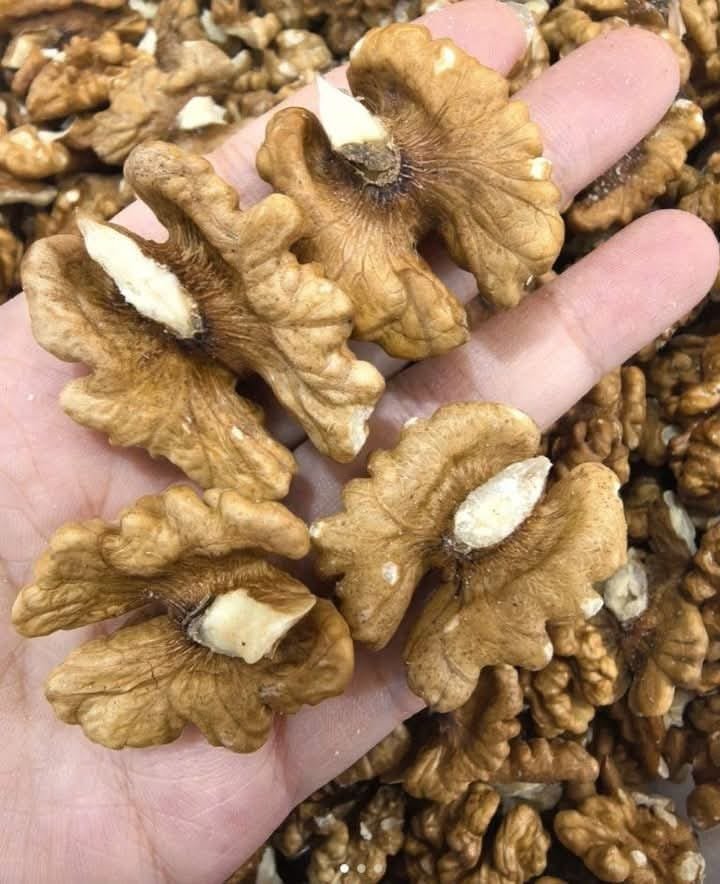
Doctors Reveal That Eating Walnuts Causes… What, Exactly?
Are walnuts secretly harmful—or surprisingly powerful? Here’s what doctors and research actually say about eating walnuts regularly.
You’ve probably seen headlines like:
“Doctors reveal that eating walnuts causes…”
And then—nothing. Or something dramatic.
Heart problems? Weight gain? Brain boost? Cancer prevention?
The suspense is intentional.
But here’s the truth: walnuts are one of the most researched nuts in the world, and their effects are far more nuanced (and interesting) than clickbait suggests.
Let’s break down what eating walnuts actually causes—based on real medical evidence—and what that means for your health.
What Are Walnuts, Nutritionally?
Walnuts are tree nuts rich in:
-
Omega-3 fatty acids (ALA)
-
Polyphenols (plant antioxidants)
-
Fiber
-
Protein
-
Magnesium
-
Copper
-
Vitamin E
Unlike most other nuts, walnuts are especially high in alpha-linolenic acid (ALA), a plant-based omega-3 fat.
According to the U.S. Department of Agriculture, a one-ounce serving (about 14 halves) contains:
-
~185 calories
-
18g fat (mostly unsaturated)
-
4g protein
-
2g fiber
That nutrient profile drives most of their health effects.
What Doctors and Research Say Walnuts Actually Cause
Let’s look at what the science shows—not hype.
1. Improved Heart Health Markers
Multiple studies show walnuts can improve:
-
LDL (“bad”) cholesterol levels
-
Total cholesterol
-
Endothelial function (blood vessel health)
The American Heart Association supports replacing saturated fats with unsaturated fats—like those found in nuts—to support cardiovascular health.
Walnuts may help reduce inflammation and improve lipid profiles when eaten in moderation.
2. Better Blood Vessel Function
Walnuts contain L-arginine, an amino acid involved in nitric oxide production.
Nitric oxide helps blood vessels relax and widen.
Improved vascular function may contribute to overall heart health.
3. Possible Brain Health Benefits
Walnuts are often nicknamed “brain food” because of their shape—but there’s more to it.
They contain:
-
Omega-3s
-
Polyphenols
-
Antioxidants
Some observational research suggests nut consumption is associated with better cognitive aging outcomes.
The National Institute on Aging notes that diets rich in plant-based foods and healthy fats may support long-term brain health.
However, walnuts are not a cure for memory loss or dementia.
4. Improved Gut Microbiome Diversity
Emerging research suggests walnuts may positively influence gut bacteria.
They contain fiber and polyphenols that act as fuel for beneficial microbes.
A healthier gut microbiome is associated with:
-
Better digestion
-
Improved immune function
-
Reduced inflammation
This is an area of ongoing research, but early findings are promising.
5. Reduced Inflammation (In Some People)
Walnuts contain antioxidants that may help combat oxidative stress.
Chronic inflammation is linked to:
-
Heart disease
-
Type 2 diabetes
-
Certain cancers
Replacing processed snacks with whole nuts may reduce inflammatory markers over time.
Do Walnuts Cause Weight Gain?
This is a common fear.
Walnuts are calorie-dense.
But interestingly, research shows nut consumption is not consistently associated with weight gain when eaten in moderation.
Why?
-
Nuts increase satiety
-
Some fat isn’t fully absorbed
-
They may reduce cravings for less healthy foods
Portion size matters.
A small handful—not half the bag.
Can Walnuts Affect Blood Sugar?
Walnuts are low in carbohydrates and high in fat and fiber.
For most people, they do not spike blood sugar.
In fact, replacing refined carbs with nuts may improve glucose control in some individuals.
However, if you have diabetes or blood sugar concerns, always monitor your personal response.
Are There Risks to Eating Walnuts?
Yes—like any food.
1. Nut Allergies
Tree nut allergies can be severe. Avoid entirely if diagnosed.
2. High Calorie Density
Overeating can lead to excess calorie intake.
3. Digestive Sensitivity
Large amounts may cause bloating in some people.
4. Oxalate Content
Walnuts contain oxalates, which may be relevant for individuals prone to kidney stones.
How Many Walnuts Should You Eat?
Most research looks at:
1 ounce per day
(About 14 walnut halves)
That’s roughly:
-
One small handful
-
About 185 calories
Consistency matters more than quantity.
Raw vs. Roasted: Does It Matter?
Raw walnuts retain maximum nutrients.
Lightly dry-roasted walnuts are fine.
Avoid:
-
Sugar-coated
-
Honey-glazed
-
Heavily salted versions
Added ingredients change the health impact.
What Walnuts Do NOT Cause
Let’s clear up common myths.
Walnuts do not:
-
Cure chronic diseases
-
Replace medication
-
Instantly lower cholesterol overnight
-
Melt belly fat
-
Detox your body
They are a healthy food—not a miracle treatment.
Who Should Be Cautious?
You may want medical guidance if you:
-
Have a tree nut allergy
-
Are on calorie-restricted diets
-
Have kidney stone history
-
Experience digestive distress
Personal health history always matters.
Frequently Asked Questions
1. Do walnuts lower cholesterol?
They may help improve cholesterol markers when part of a balanced diet.
2. Can walnuts improve memory?
Some research suggests potential benefits, but they’re not a treatment.
3. Are walnuts better than almonds?
Both are nutritious. Walnuts are higher in omega-3s.
4. Can I eat walnuts every day?
Yes, in moderate portions.
5. Do walnuts help with inflammation?
They may reduce inflammatory markers in some individuals.
6. Are walnuts good before bed?
They contain small amounts of melatonin, but effects are modest.
7. Can walnuts replace fish for omega-3s?
They provide ALA, not EPA/DHA found in fish.
8. Are organic walnuts healthier?
Nutritionally similar; pesticide exposure may differ.
9. Do walnuts cause acne?
No strong evidence supports this claim.
10. Should they be refrigerated?
Yes. Their healthy fats can go rancid at room temperature.
The Bottom Line
So—what do walnuts actually cause?
When eaten in moderation as part of a balanced diet, they may contribute to:
-
Better heart health markers
-
Improved vascular function
-
Possible cognitive support
-
A healthier gut microbiome
They don’t cause miracles.
They don’t cause disease in healthy individuals.
They’re simply a nutrient-dense food backed by solid research.
If you’re looking for a simple upgrade to your daily routine, a small handful of walnuts might be one of the easiest steps you can take.
Have you added walnuts to your diet? Share how you use them—salads, oatmeal, snacks, baking. Your idea might inspire someone else to make a small, healthy change.