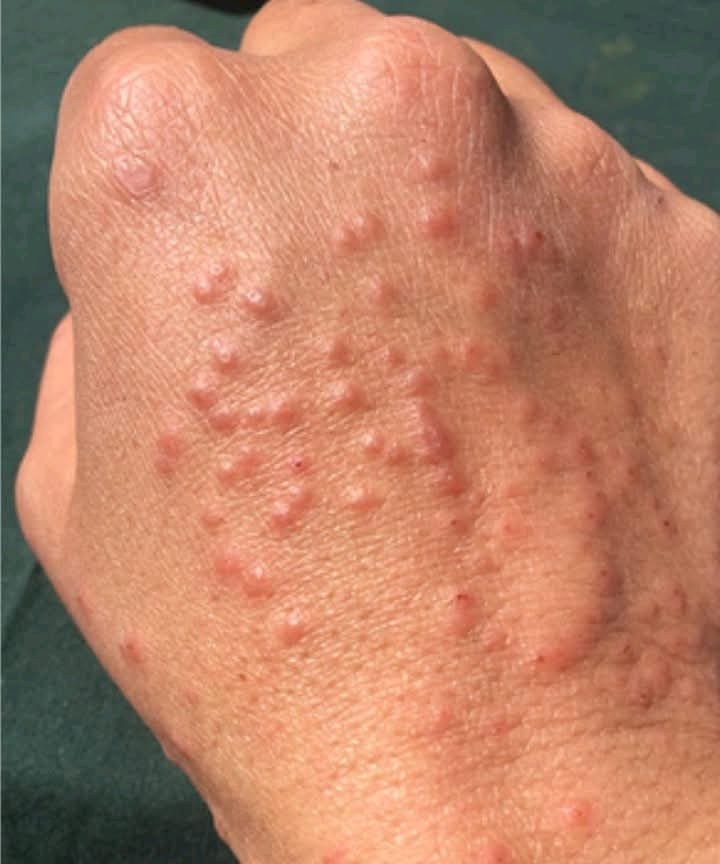
🚨 Don’t Ignore Small Red Spots on Your Arm: What They Could Mean and When to Worry
Small red spots on your arm might seem harmless—but they can signal important skin or health issues. Learn causes, warning signs, and when to see a doctor.
You notice it almost by accident.
A tiny red dot on your arm.
Then another.
Maybe they don’t hurt. Maybe they don’t itch. So you ignore them.
Most people do.
But here’s the uncomfortable truth: not every small red spot is harmless. While many are completely benign, some can signal underlying skin conditions—or even broader health issues that shouldn’t be missed.
The challenge is knowing the difference.
In this guide, you’ll learn:
- What small red spots on your arm can actually mean
- Which ones are harmless vs concerning
- Warning signs doctors pay attention to
- Simple ways to monitor changes safely
- And when it’s time to get checked
Let’s break it down clearly—without panic, but also without ignoring important signals.
🔍 What Are These Small Red Spots?
Small red spots on the skin can come from several different causes. In dermatology, they are often described as petechiae, angiomas, or inflammatory lesions, depending on their appearance.
One commonly harmless example is Cherry angioma—tiny red or purple spots caused by clusters of small blood vessels.
These are:
- Very common with age
- Usually harmless
- Often found on arms, chest, or trunk
But not all red spots fall into this category.
⚠️ When Red Spots Might Be More Than Cosmetic
Some red spots can signal underlying issues that require attention.
One example is Petechiae—tiny red or purple dots caused by bleeding under the skin.
Unlike cherry angiomas, petechiae can sometimes be linked to:
- Blood clotting issues
- Infections
- Physical strain (like coughing or vomiting)
- Medication side effects
👉 The key difference is context and appearance—not just color.
🧠 Why Your Body Shows These Signs
Your skin is your largest organ—and often reflects internal changes.
According to dermatology insights from American Academy of Dermatology, skin changes can sometimes be early indicators of:
- Vascular changes
- Immune responses
- Inflammatory conditions
Think of it like a dashboard light—not always an emergency, but always worth noticing.
👀 Common Causes of Small Red Spots on the Arm
Let’s go through the most common explanations—from harmless to more serious.
1. Cherry Angiomas (Most Common & Harmless)
- Bright red, slightly raised spots
- Smooth or dome-shaped
- Increase with age
These are benign and don’t require treatment unless for cosmetic reasons.
2. Heat Rash or Irritation
- Appears after sweating or friction
- Often itchy or slightly bumpy
- Common in hot weather
Usually resolves on its own.
3. Allergic Reactions
- May appear after exposure to new products
- Can be itchy or spread quickly
- Often linked to soaps, detergents, or plants
4. Petechiae (Needs Attention)
- Tiny red or purple dots
- Do not blanch when pressed
- May appear suddenly
Can sometimes indicate underlying medical conditions.
5. Skin Trauma or Pressure
- Appears after tight clothing or minor injury
- Usually temporary
- Fades within days
🇺🇸 Why This Matters in Everyday Health
In the U.S., skin-related visits are among the most common reasons people see dermatologists.
Many conditions are harmless—but the challenge is that early signs of more serious issues can look similar to minor ones.
That’s why awareness matters.
Organizations like Centers for Disease Control and Prevention emphasize the importance of noticing unusual skin changes early, especially when they persist or spread.
🚨 Warning Signs You Shouldn’t Ignore
Not all red spots are urgent—but some patterns should prompt medical evaluation:
- Sudden appearance of many spots
- Spots spreading quickly
- Accompanied by fever or fatigue
- Unexplained bruising
- Spots that do not fade over time
- Bleeding gums or nosebleeds
👉 One symptom alone may not mean much. Patterns matter.
🧭 Simple Self-Check Guide (Step-by-Step)
Step 1: Look Closely
Check size, shape, and color under natural light.
Step 2: Do the “Press Test”
Gently press the spot:
- If it fades → usually harmless
- If it stays red/purple → could be petechiae
Step 3: Track Changes
Monitor over 3–7 days:
- Is it spreading?
- Changing color?
- Increasing in number?
Step 4: Check Symptoms
Ask:
- Any fever?
- Fatigue?
- Easy bruising?
Step 5: Seek Medical Advice if Needed
If anything feels unusual or persistent.
🧪 Real-Life Scenario
James, a 45-year-old teacher, noticed small red dots on his forearm.
At first, he assumed it was an allergy.
But over a week, more appeared—and he also felt unusually tired.
He visited a clinic and was evaluated for a mild platelet issue.
The condition was treatable—but early detection made all the difference.
⚖️ Harmless vs Concerning: Quick Comparison
| Feature | Harmless Spots | Concerning Spots |
|---|---|---|
| Appearance | Isolated, stable | Sudden, spreading |
| Color | Bright red | Red/purple/dark |
| Symptoms | None | Fever, fatigue |
| Change over time | Stable | Worsening |
❌ Common Mistakes People Make
1. Ignoring New Spots
Assuming “it will go away” without monitoring.
2. Self-Diagnosing Too Quickly
Googling symptoms without context can create unnecessary panic.
3. Delaying Medical Advice
Waiting too long when symptoms change.
4. Overusing Skin Products
Trying to “treat” unknown spots without understanding cause.
🧠 Expert Insights Most People Miss
1. Skin Changes Are Often Early Signals
The skin can reflect internal health before other symptoms appear.
2. Not All Red Spots Are Equal
Appearance alone is not enough—behavior over time matters.
3. Stress Can Affect Skin
Stress can trigger inflammation and vascular changes.
4. Tracking Beats Guessing
Observation over time is more useful than immediate assumptions.
📊 When to See a Doctor (Simple Rule)
Seek medical advice if:
- Spots appear suddenly in large numbers
- They do not fade or blanch
- You feel unwell at the same time
- They continue to spread
Trust patterns—not panic.
🔮 Future Outlook in Dermatology
Skin monitoring is becoming more advanced.
In coming years, we’ll likely see:
- AI-based skin scanning tools
- Smartphone detection apps
- Faster early-warning diagnostics
But even with technology, human observation remains essential.
❓ Frequently Asked Questions
1. Are all red spots on the arm dangerous?
No. Most are harmless, like cherry angiomas or irritation.
2. What causes sudden red spots?
They can be due to minor trauma, allergies, or sometimes medical conditions.
3. How do I know if it’s petechiae?
They are tiny, don’t fade when pressed, and may appear in clusters.
4. Can stress cause red spots?
Yes, indirectly through inflammation or skin sensitivity.
5. Should I panic if I see one spot?
No. Monitor it first unless other symptoms appear.
6. Do cherry angiomas need treatment?
Usually not, unless for cosmetic reasons.
7. Can diet affect skin spots?
Indirectly—nutrition impacts skin health and inflammation.
8. When should I see a dermatologist?
If spots are spreading, changing, or linked with other symptoms.
🧾 Action Checklist
✅ What To Do
- Observe new spots carefully
- Use the press test
- Track changes over time
- Note other symptoms
- Consult a doctor if patterns worsen
❌ What To Avoid
- Ignoring sudden changes
- Self-diagnosing without context
- Panic based on isolated symptoms
- Delaying evaluation when unsure
🏁 Conclusion
Small red spots on your arm are easy to dismiss.
And most of the time, they truly are harmless.
But your skin is also one of your body’s clearest communication tools.
The goal isn’t to panic—it’s to pay attention.
Because the difference between “nothing” and “something important” often comes down to timing and awareness.
Most red spots are harmless—but when patterns change, your body is worth listening to.
If this helped you understand your skin better, share it with someone who tends to ignore small changes—it might help them notice something important early.