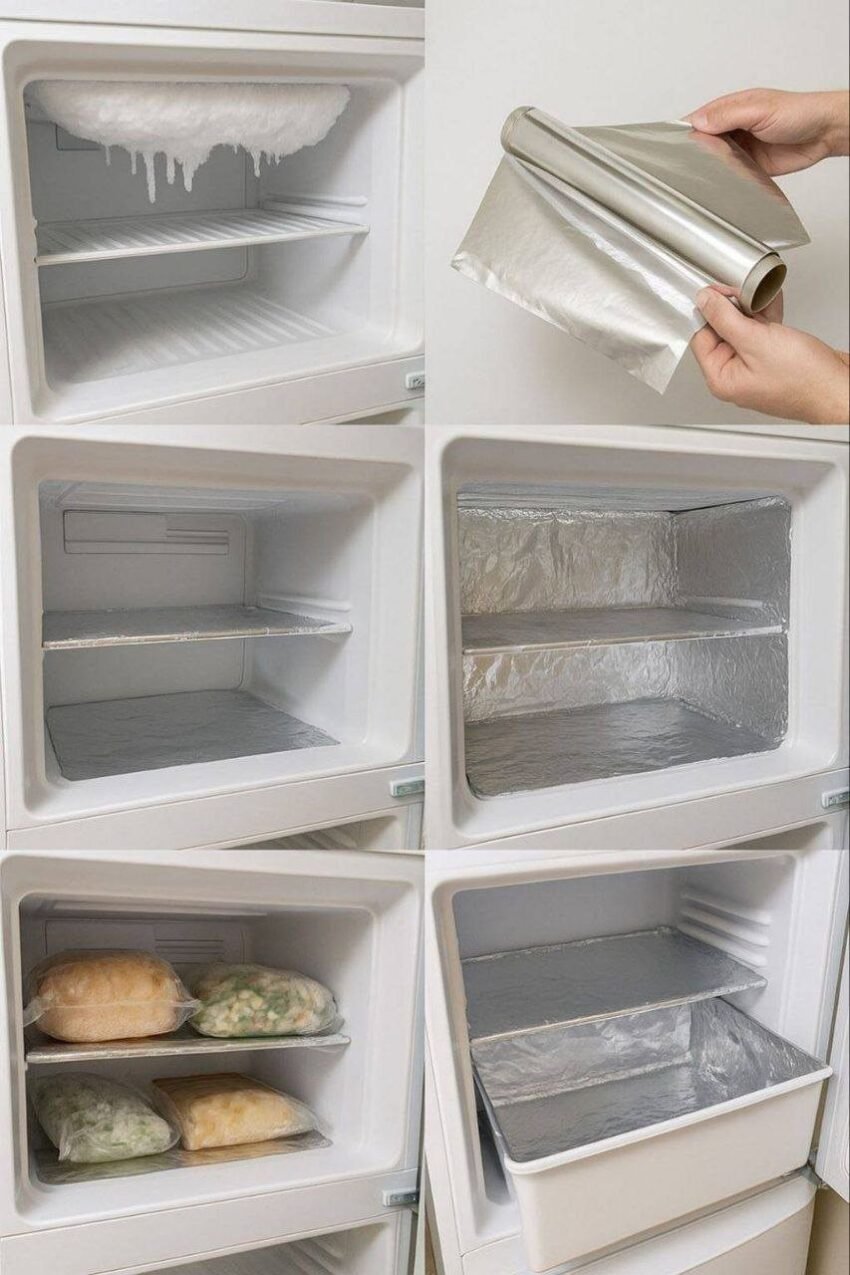
Aluminum Foil in the Freezer: A Simple Tip to Save Money
Want to cut food waste and save money? Learn how using aluminum foil in your freezer can preserve food longer and prevent costly spoilage.
Introduction
Freezer burn. Spoiled leftovers. Wasted money.
If you’ve ever opened your freezer to find a block of ice-covered chicken or frostbitten veggies, you know how frustrating it is.
Here’s a simple trick many people overlook: aluminum foil in the freezer. A few minutes of prep can save you money, reduce waste, and make meal prep easier.
In this guide, you’ll discover:
-
Why aluminum foil works better than plastic alone
-
Step-by-step freezing tips
-
How to prevent freezer burn
-
Extra money-saving hacks
Why Aluminum Foil Helps in the Freezer
Freezer burn occurs when air reaches the surface of food, causing dehydration and oxidation.
Aluminum foil provides:
-
A tight barrier against air — keeps moisture in
-
Protection from light and odors — prevents flavor transfer
-
Flexible wrapping — molds to odd shapes better than plastic
When combined with proper storage practices, it keeps food fresher for weeks to months longer.
Step-by-Step Guide: Freezing With Aluminum Foil
Step 1: Prep Your Food
-
Cooked meals: Cool completely before wrapping
-
Raw meat or poultry: Pat dry to remove excess moisture
Step 2: Wrap Tightly
-
Wrap each item individually in aluminum foil
-
Ensure edges are sealed to reduce air exposure
Step 3: Optional Double Protection
-
Place foil-wrapped items in a freezer-safe plastic bag for extra protection
-
Squeeze out excess air before sealing
Step 4: Label and Date
-
Write the contents and freezing date directly on the foil with a permanent marker
-
Helps track freshness and avoid forgotten items
Step 5: Freeze Flat
-
Freeze items flat when possible to save space and speed up freezing
Foods That Benefit Most
-
Meat & poultry: Prevents freezer burn and preserves texture
-
Cheese: Keeps flavor and prevents drying
-
Baked goods: Muffins, bread, and cakes stay soft longer
-
Leftovers: Casseroles, soups, and cooked vegetables
Extra Tips to Save Money
-
Portion control: Freeze in meal-sized portions to reduce waste
-
Batch cooking: Cook large quantities, freeze in foil, and thaw as needed
-
Rotate stock: Use “first in, first out” method to prevent spoilage
-
Freeze liquids: Broths or sauces freeze well in foil-lined containers
Common Mistakes to Avoid
-
Wrapping wet food directly without drying — leads to ice crystals
-
Leaving gaps or loose foil — air gets in
-
Forgetting to label — you’ll waste food guessing what it is
-
Using thin foil alone for long-term storage — combine with plastic bag if storing more than a month
FAQs
1. Can aluminum foil go in the freezer?
Yes! It is safe and helps prevent freezer burn.
2. Should I use heavy-duty foil?
For long-term storage, heavy-duty foil works best.
3. Can I freeze raw fish in foil?
Yes, just wrap tightly and label with the date.
4. How long can food last wrapped in foil?
Varies by food: meat ~6 months, baked goods ~3 months, vegetables ~8–12 months.
5. Is foil environmentally friendly?
Aluminum foil can be recycled if clean, but reducing food waste also has a significant environmental benefit.
6. Can I cook food directly from frozen foil?
Yes, for most meats and baked goods, but adjust cooking time.
Using aluminum foil in the freezer is a simple, low-cost trick that helps:
-
Keep food fresh longer
-
Reduce freezer burn
-
Save money on groceries
-
Make meal prep easier
A few extra minutes of prep today can prevent wasted money tomorrow.
Try wrapping your next batch of leftovers in foil and see the difference—it’s a small habit with big savings.