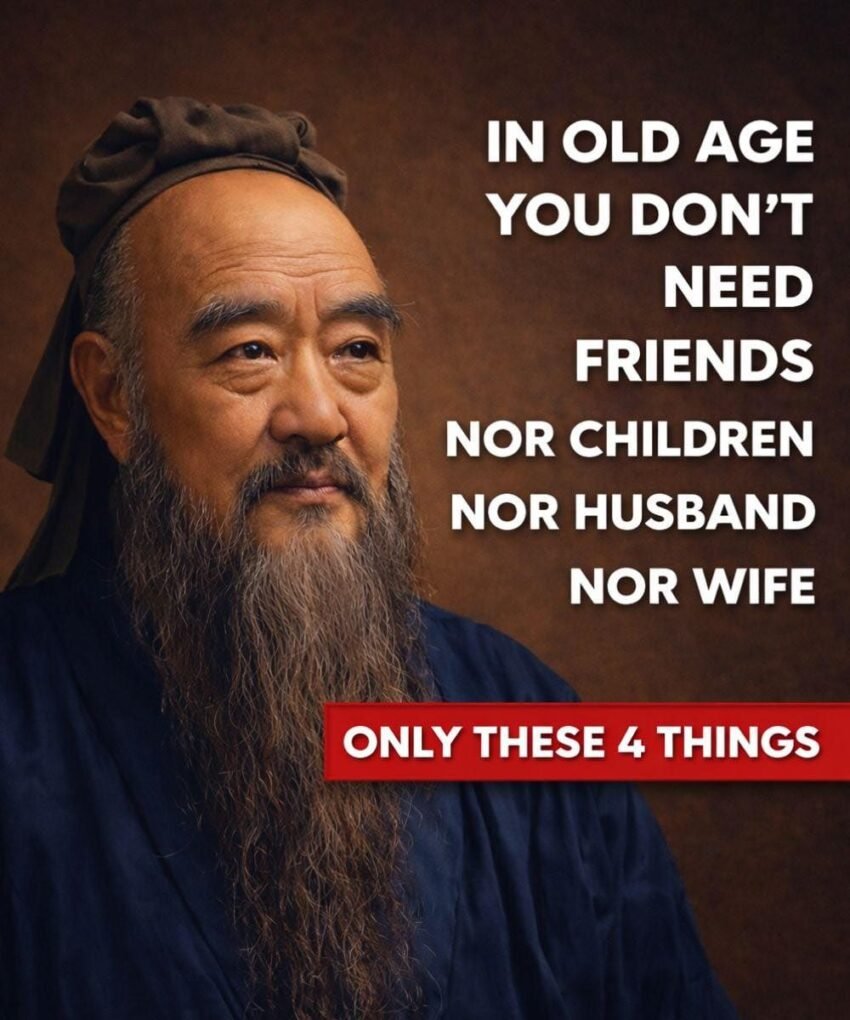
4 Confucian Principles That Can Make Old Age Truly Happy
Discover 4 timeless Confucian principles that guide a fulfilling, peaceful, and joyful old age. Apply ancient wisdom to modern senior life.
Introduction
Growing older can bring wisdom, reflection, and opportunities to live with deeper meaning. But how do we ensure that our later years are happy, fulfilling, and peaceful?
Ancient Confucian philosophy offers timeless guidance. By applying 4 key Confucian principles, older adults can cultivate emotional balance, strong relationships, and inner contentment.
1. Filial Piety (孝, Xiào) – Respect and Connection With Family
Why it matters:
-
Maintaining strong, respectful bonds with children, grandchildren, and extended family promotes emotional security and social support.
-
Acts of mutual care foster gratitude, reduce loneliness, and strengthen family ties.
How to practice it:
-
Offer guidance and wisdom to younger generations without overstepping.
-
Encourage meaningful family gatherings and shared traditions.
-
Show appreciation and openness in daily interactions.
Benefit: Emotional fulfillment from close family connections and a sense of legacy.
2. Benevolence (仁, Rén) – Kindness and Compassion
Why it matters:
-
Acting with kindness toward others reduces stress, nurtures positive relationships, and cultivates inner peace.
-
Benevolence encourages seniors to stay socially active and mentally engaged.
How to practice it:
-
Volunteer or participate in community activities.
-
Offer support and a listening ear to friends, neighbors, or grandchildren.
-
Approach conflicts calmly and with empathy.
Benefit: Happiness grows from giving and connecting, rather than accumulating material wealth.
3. Moderation (中庸, Zhōngyōng) – Balance in Life
Why it matters:
-
Avoiding extremes in behavior, emotion, or consumption leads to stability and mental clarity.
-
Moderation helps maintain health, finances, and relationships without unnecessary stress.
How to practice it:
-
Balance work, rest, and social activities.
-
Avoid overindulgence in food, spending, or entertainment.
-
Embrace calmness and measured responses to life’s challenges.
Benefit: Peace of mind and a steady, healthy lifestyle that supports longevity.
4. Wisdom (智, Zhì) – Reflection and Lifelong Learning
Why it matters:
-
Wisdom allows older adults to make informed decisions, appreciate the present, and share knowledge.
-
Reflecting on life experiences fosters acceptance and satisfaction.
How to practice it:
-
Keep learning through reading, discussions, or hobbies.
-
Mentor younger generations using personal insights.
-
Reflect daily on gratitude, accomplishments, and lessons learned.
Benefit: Mental stimulation, purpose, and a sense of contribution to society.
Integrating Confucian Principles Into Daily Life
-
Morning reflection: Take 5–10 minutes to think about kindness, family, balance, and learning.
-
Daily acts of compassion: Small gestures—like a phone call or helping a neighbor—have lasting joy.
-
Healthy routines: Balanced meals, gentle exercise, and social interaction embody moderation.
-
Journaling: Record insights, gratitude, or memories to cultivate wisdom.
FAQs
1. Can these principles apply outside of Chinese culture?
Absolutely. Confucian principles are universal and can enhance happiness for older adults worldwide.
2. How do I start practicing them if I’m already in late adulthood?
Begin with small, intentional actions—showing gratitude, practicing moderation, or mentoring others.
3. Do these principles help with mental health?
Yes. They promote social connection, emotional regulation, and purposeful living, all linked to better mental well-being.
4. Can these principles improve family relationships?
Definitely. Respect, kindness, and shared wisdom strengthen bonds across generations.
Happiness in old age is not just about health or finances—it’s about connection, kindness, balance, and wisdom.
By embracing these 4 Confucian principles, older adults can cultivate a fulfilling, peaceful, and joyful life, leaving a lasting legacy for future generations.