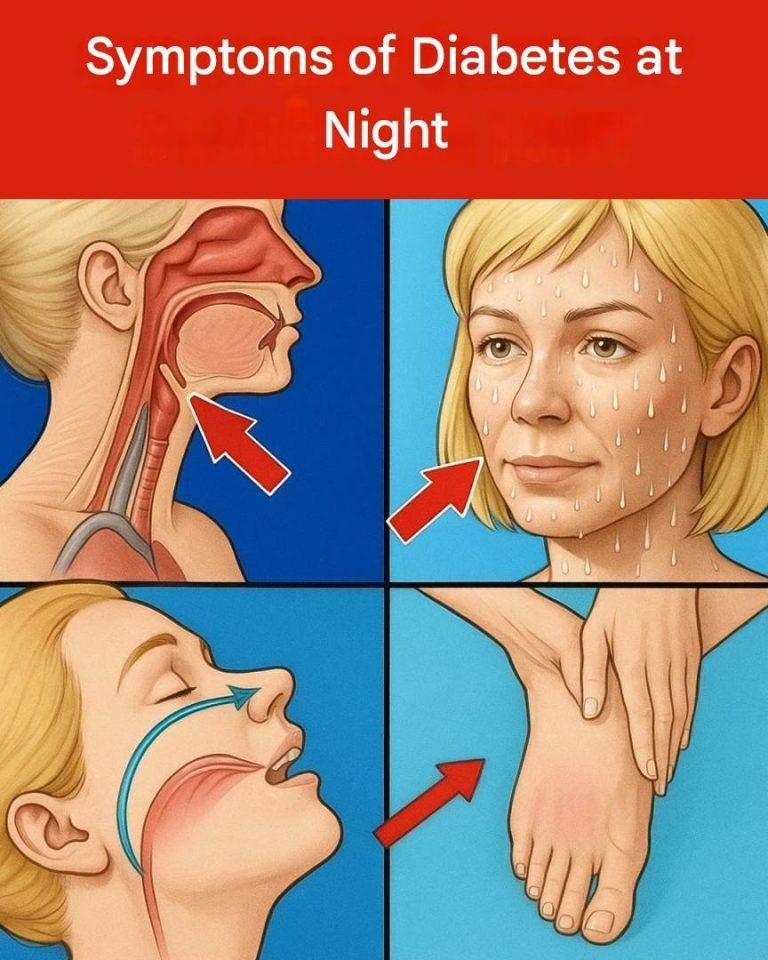
5 Diabetes Symptoms That Appear at Night
Diabetes can show signs when you’re sleeping. Learn the 5 night time symptoms to watch for, so you can act early and protect your health.
Diabetes doesn’t always announce itself during the day. Sometimes, your body signals trouble while you sleep, long before a formal diagnosis. Recognizing these nighttime symptoms can help you take action early, manage blood sugar, and prevent serious complications.
Here are the five diabetes symptoms that often appear at night.
1. Frequent Urination (Nocturia)
-
Waking up multiple times at night to urinate is a common sign of high blood sugar.
-
Excess glucose in the bloodstream forces the kidneys to work harder to filter it out, producing more urine.
-
This can lead to disrupted sleep, fatigue, and dehydration.
Tip: Track how often you wake up to use the bathroom; persistent nocturia warrants a check-up.
2. Excessive Thirst (Polydipsia)
-
Increased urination triggers constant thirst, even at night.
-
You may find yourself drinking large amounts of water or feeling dehydrated upon waking.
-
Nighttime thirst often accompanies other diabetes symptoms, like fatigue or frequent urination.
Tip: Avoid sugary drinks, and monitor water intake to help your doctor assess your condition.
3. Night Sweats
-
Unexplained sweating during sleep can be a symptom of low or fluctuating blood sugar levels (hypoglycemia or hyperglycemia).
-
Sweating episodes may cause you to wake up soaked, sometimes accompanied by palpitations or anxiety.
-
Often, this occurs in people taking insulin or diabetes medication that can lower blood sugar overnight.
Tip: Keep a glucose monitor handy if you’re prone to night sweats or hypoglycemia.
4. Restless Legs or Tingling Sensations
-
Tingling, burning, or restless legs at night may indicate diabetic neuropathy.
-
High blood sugar over time can damage nerves, causing discomfort that worsens when lying down.
-
This can lead to difficulty falling asleep or frequent awakenings.
Tip: Regular blood sugar control and proper footwear can help reduce nighttime neuropathy symptoms.
5. Unexplained Hunger or Nighttime Snacking Urges
-
Sudden hunger or cravings in the middle of the night can signal blood sugar fluctuations.
-
When glucose levels drop too low, your body triggers hunger signals, prompting you to eat and restore balance.
-
This pattern can interfere with sleep and make weight management more difficult.
Tip: Focus on a balanced dinner with protein, fiber, and healthy fats to help stabilize overnight blood sugar.
Why Nighttime Symptoms Matter
Nighttime diabetes symptoms often appear before daytime signs and can provide an early warning:
-
Early detection can prevent serious complications like heart disease, neuropathy, and kidney damage.
-
Monitoring sleep patterns and nighttime symptoms helps your doctor adjust medications and lifestyle strategies.
Mini Case Scenario
Laura, 47, noticed she was waking up several times at night thirsty and with tingling in her feet. She initially ignored it, thinking it was stress. A routine checkup revealed type 2 diabetes, allowing her to start treatment early and avoid more severe complications.
Nighttime symptoms can be the first clue that your blood sugar isn’t properly managed. The five key warning signs to watch for are:
-
Frequent urination
-
Excessive thirst
-
Night sweats
-
Restless legs or tingling
-
Unexplained hunger or cravings
If you notice any combination of these symptoms, speak with a healthcare professional promptly — early detection is critical for managing diabetes and protecting long-term health.