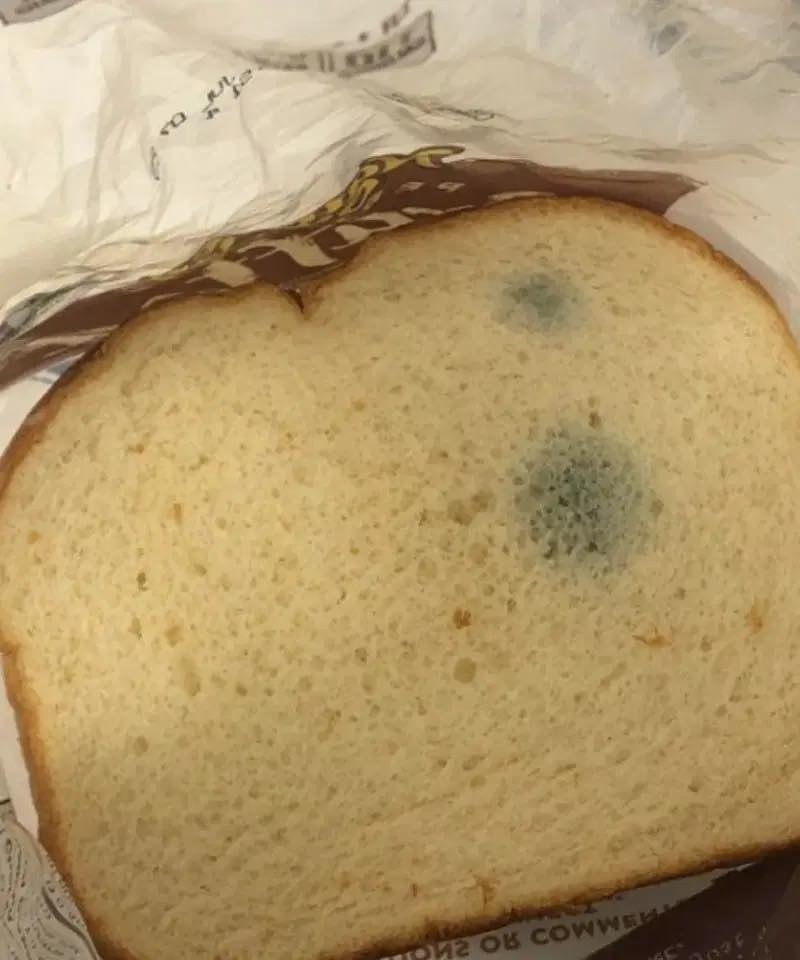
What Are These Greenish Spots on Bread? Here’s Why You Should Never Eat It
Green spots on bread are mold. Learn why it’s unsafe to eat, the health risks involved, and how to prevent mold growth at home.
You pull a loaf of bread from the pantry, and there they are — greenish spots on the surface. Maybe your mother-in-law says it’s “fine” to cut them off and eat the rest. But here’s the hard truth: any visible mold on bread is a serious warning sign.
Here’s everything you need to know to keep your family safe.
What Are Green Spots on Bread?
-
Green, blue, or black spots on bread are mold, a type of fungus that grows on organic matter.
-
Mold spores are microscopic, meaning even if you scrape off the visible spots, the rest of the bread may already be contaminated.
-
Common mold species on bread include Penicillium, Aspergillus, and Rhizopus.
Why Moldy Bread Is Dangerous
1. Toxins Can Be Present
-
Some molds produce mycotoxins, which can cause food poisoning or long-term health issues.
-
Symptoms may include nausea, vomiting, diarrhea, and in severe cases, liver or kidney damage.
2. Allergic Reactions
-
Mold can trigger allergic reactions or respiratory issues, especially in children, seniors, or anyone with asthma.
-
Symptoms can include sneezing, runny nose, itchy eyes, or difficulty breathing.
3. Spreading Contamination
-
Bread mold spreads deep into the loaf, not just on the surface.
-
Cutting off moldy parts does not make the rest safe, because invisible roots and spores remain.
Why You Should Never Eat Moldy Bread
-
Even a small amount can cause digestive upset or allergic reactions.
-
Children, pregnant women, and people with weakened immune systems are at higher risk of serious complications.
-
Mold may indicate that the bread was stored improperly or is well past its safe consumption date.
How to Prevent Bread Mold
-
Store Bread Properly
-
Keep bread in a cool, dry place, or freeze for long-term storage.
-
Avoid leaving bread in humid areas like near the stove or sink.
-
Check Expiration Dates
-
Buy only what you can consume in a few days, especially fresh bakery bread.
-
Seal Bread in Airtight Bags
-
Prevents moisture exposure, which accelerates mold growth.
-
Inspect Before Eating
-
Always check for spots, unusual odors, or texture changes.
-
When in doubt, throw it out — it’s not worth risking health.
Mini Case Scenario
Emma, 38, noticed a few green spots on a loaf of bread but cut them off and served the rest to her family. Within hours, her children experienced stomach cramps and nausea. The doctor confirmed it was mold ingestion, which could have been easily avoided by discarding the bread entirely.
Lesson: Visible mold is a clear sign — bread is no longer safe, even if you cut off the spots.
Green spots on bread are mold, and it’s unsafe to eat under any circumstances.
-
Mold can produce toxins, cause allergic reactions, and contaminate the entire loaf.
-
Children and vulnerable family members are at greater risk.
-
Prevention is simple: proper storage, checking expiration, and discarding moldy bread.
Never take chances with moldy bread — it’s always safer to throw it out and protect your family’s health.