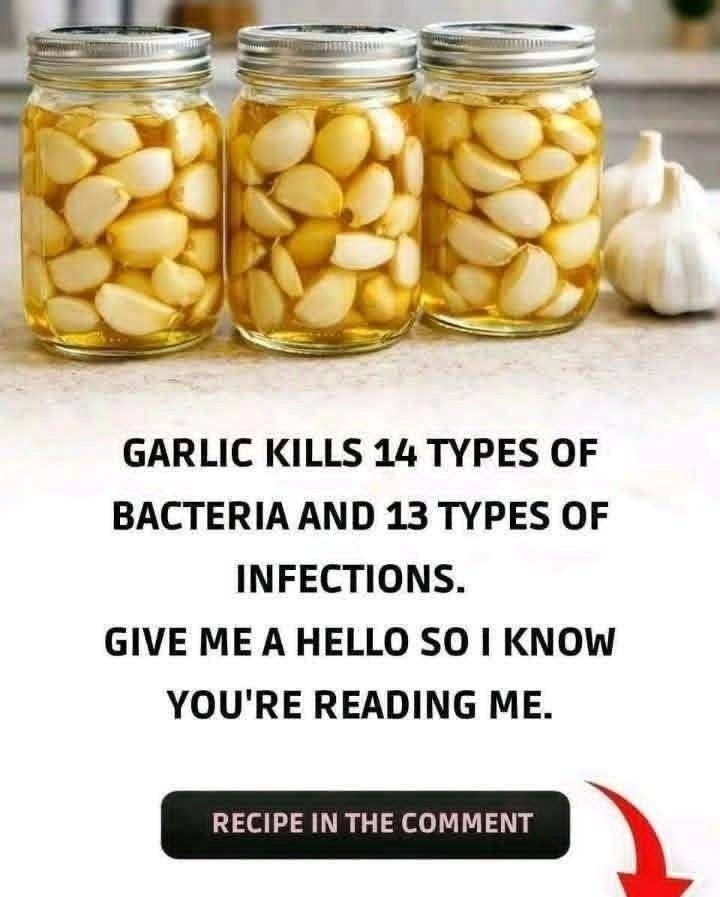
Garlic: The Natural “Antibiotic” That Helps the Body Fight Infections (Without the Hype)
Garlic has long been called nature’s antibiotic. Learn how it actually supports the immune system, where it helps, and where limits matter.
Introduction: Why Garlic Earned a Reputation Few Foods Can Match
Across cultures and centuries, garlic has carried a bold reputation.
Ancient healers used it for wounds.
Soldiers consumed it to stay resilient.
Modern kitchens rely on it for flavor—and many people still reach for it when sickness looms.
That’s why garlic is often described as “nature’s antibiotic.”
But here’s the important question most articles skip:
Does garlic really fight infections—or is that just a dramatic label that oversimplifies what it does?
The answer is more interesting than a yes or no.
Garlic doesn’t replace antibiotics.
But it does interact with the body in ways that help support immune defenses, microbial balance, and recovery, especially when used correctly.
This article explains:
-
Where garlic’s reputation comes from
-
How it actually affects bacteria, viruses, and fungi
-
Why it helps support infection response, not cure disease
-
How Americans can use garlic safely and realistically
No miracle claims. No fear-driven language. Just clarity.
Why Garlic Is Often Compared to an Antibiotic
What Makes Antibiotics Powerful
Prescription antibiotics:
-
Kill or inhibit specific bacteria
-
Target infections directly
-
Act quickly and aggressively
Garlic does none of that in the pharmaceutical sense.
So why the comparison?
Because garlic contains natural compounds that:
-
Interfere with microbial growth
-
Support immune signaling
-
Help the body maintain balance when exposed to pathogens
It’s more accurate to call garlic a broad-spectrum immune ally, not a drug.
The Key Compound Behind Garlic’s Effects
Meet Allicin
When garlic is chopped or crushed, it produces allicin, a sulfur-containing compound responsible for:
-
Garlic’s strong smell
-
Many of its antimicrobial properties
Allicin is unstable and short-lived—which is why preparation matters so much.
What Allicin Is Known to Do
Research suggests allicin can:
-
Inhibit the growth of certain bacteria
-
Affect fungal organisms
-
Interfere with viral replication mechanisms (in laboratory settings)
Important distinction:
Lab activity ≠ clinical cure.
Garlic supports the body’s response—it doesn’t replace treatment.
How Garlic Supports the Immune System
Garlic’s real power isn’t that it “kills germs.”
It’s that it helps the immune system function more effectively.
Immune-Supportive Roles of Garlic
Garlic may:
-
Encourage white blood cell activity
-
Support inflammatory balance
-
Act as an antioxidant
-
Help regulate immune signaling pathways
This makes it useful during times when the immune system is under stress—like seasonal illness or recovery periods.
Where Garlic Can Be Helpful (Realistically)
1. Upper Respiratory Comfort
Many people use garlic when experiencing:
-
Scratchy throats
-
Nasal congestion
-
Early cold symptoms
Garlic doesn’t cure viral infections—but it may:
-
Shorten perceived duration
-
Reduce symptom intensity
-
Support recovery when combined with rest and hydration
2. Digestive and Gut Microbial Balance
Garlic interacts with gut bacteria in a unique way:
-
Inhibits certain harmful microbes
-
Feeds beneficial bacteria when cooked gently
This dual action supports digestive resilience, which is closely linked to immune health.
3. Oral and Dental Health
Garlic’s compounds can:
-
Reduce bacterial load in the mouth
-
Support gum comfort
-
Help manage odor-causing bacteria
This explains why garlic has historically been used for tooth discomfort—though modern dental care is still essential.
4. Skin and Topical Traditions (With Caution)
Historically, garlic was applied to wounds.
Modern guidance:
-
Do not apply raw garlic directly to skin
-
It can cause burns and irritation
Topical use today is best left to controlled formulations, not DIY remedies.
Why Garlic Doesn’t Create Resistance Like Antibiotics
One reason garlic draws interest is that microbes don’t develop resistance to it the same way they do to antibiotics.
Why?
-
Garlic affects multiple microbial pathways at once
-
Its compounds are complex and variable
-
It doesn’t act as a single-target chemical
That said, this doesn’t make garlic “stronger.”
It makes it different.
How to Use Garlic for Maximum Benefit
Raw vs. Cooked Garlic
-
Raw garlic: Higher allicin potential, stronger effect, harsher on digestion
-
Cooked garlic: Gentler, still beneficial, better tolerated long-term
A balanced approach often works best.
Preparation Tip
Crush or chop garlic and let it sit for about 10 minutes before cooking.
This allows allicin to form before heat reduces it.
How Much Is Enough?
More is not better.
For most adults:
-
1–2 cloves per day is plenty
-
Consistency matters more than intensity
Excessive intake can lead to:
-
Digestive irritation
-
Heartburn
-
Blood thinning effects
Common Mistakes People Make
1. Treating Garlic Like Medicine
Garlic supports health—it doesn’t replace diagnosis or treatment.
2. Overusing Raw Garlic
This often causes stomach upset and discourages consistency.
3. Expecting Immediate Results
Immune support is cumulative, not instant.
4. Ignoring Interactions
Garlic can interact with certain medications.
Who Should Be Cautious
Consult a healthcare professional before using garlic regularly if you:
-
Take blood-thinning medications
-
Have upcoming surgery
-
Have digestive ulcers or severe reflux
-
Are sensitive to sulfur-rich foods
What Science Supports—and What It Doesn’t
Supported
-
Antimicrobial activity in lab settings
-
Immune-supportive properties
-
Cardiovascular and antioxidant benefits
Not Supported
-
Garlic curing infections
-
Replacing antibiotics
-
Treating serious bacterial illness
Garlic is supportive nutrition, not a prescription.
Why Garlic Still Matters in Modern Health
Despite advances in medicine, garlic remains relevant because:
-
It’s accessible
-
It supports multiple systems at once
-
It encourages food-first health habits
And unlike many trends, garlic has centuries of consistent use behind it.
That doesn’t make it magic.
It makes it reliable.
FAQs: People Also Ask
Is garlic really a natural antibiotic?
It has antimicrobial properties but doesn’t act like prescription antibiotics.
Can garlic help prevent infections?
It may support immune resilience but can’t prevent exposure.
Is raw garlic better than cooked?
Raw is stronger; cooked is gentler. Both have benefits.
How fast does garlic work?
Effects are subtle and supportive, not immediate.
Can garlic replace medication?
No. It complements medical care.
Does garlic help with viral infections?
It supports immune response, not viral elimination.
Can garlic upset the stomach?
Yes, especially in large amounts or raw.
What’s the biggest benefit overall?
Consistent immune and microbial support.
Conclusion: Garlic’s Real Power Is Support, Not Warfare
Garlic doesn’t wage war the way antibiotics do.
It doesn’t attack aggressively or wipe things out.
Instead, it supports balance, strengthens defenses, and helps the body respond more effectively when challenges arise.
That quieter role is exactly why garlic has lasted so long in human diets.
Used wisely, consistently, and with realistic expectations, garlic remains one of the most valuable everyday foods for immune support—
not because it replaces medicine,
but because it works with the body, not against it.
If this helped you see garlic more clearly:
-
Share it with someone curious about natural immune support
-
Leave a comment with how you use garlic in daily life
-
Explore more evidence-based food-as-support guides
Sometimes the strongest allies don’t fight for you— they help you fight better.