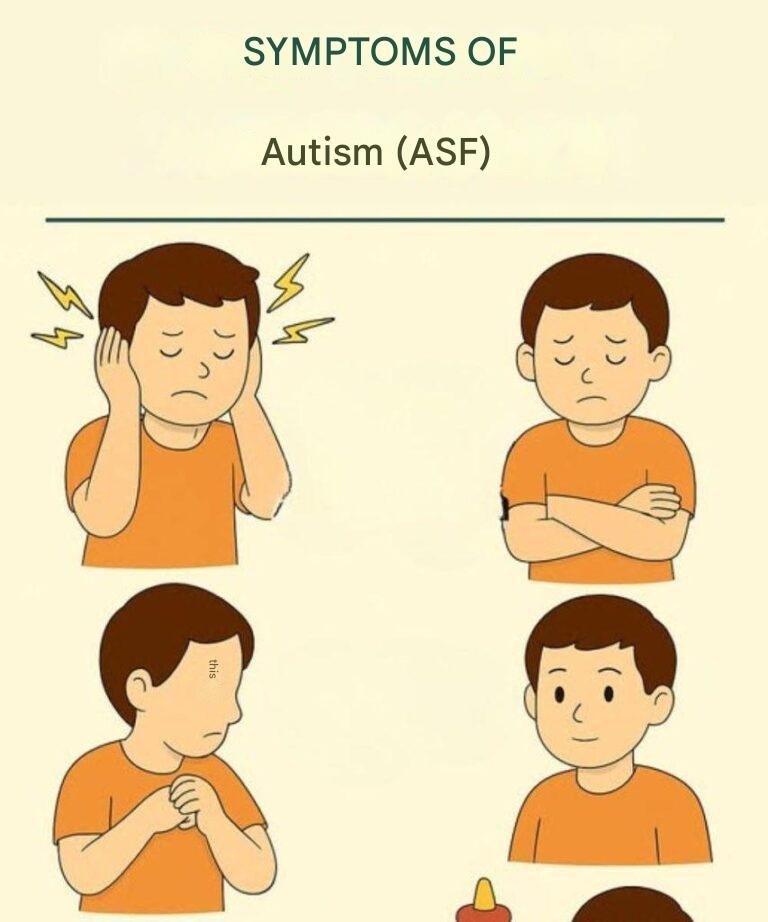
Symptoms of Autism (ASF) and How to Detect It Early
Learn the early signs of autism spectrum disorder (ASF) in children and adults. Early detection can help access support, therapies, and interventions for better outcomes.
Autism Spectrum Disorder (ASD), sometimes referred to as Autism Spectrum Condition or ASF, is a developmental condition that affects communication, social interaction, and behavior. Detecting autism early can make a significant difference in a child’s development and quality of life.
Here’s a comprehensive guide to understanding the symptoms, signs, and early detection tips for autism.
What Is Autism Spectrum Disorder (ASF)?
Autism is a spectrum disorder, meaning its symptoms and severity vary widely. Some individuals may have high-functioning autism, while others may experience significant developmental challenges.
Core features generally include:
-
Difficulties with social communication
-
Restricted or repetitive behaviors
-
Sensory sensitivities
Early detection allows families to access therapies and educational support that improve social skills, communication, and independence.
Common Symptoms of Autism by Age
Infants and Toddlers (0–3 years)
-
Limited eye contact or reduced response to their name
-
Rarely points or gestures to show interest
-
Delayed speech or lack of babbling
-
Repetitive movements (flapping hands, rocking)
-
Unusual reactions to sensory input (overly sensitive to lights, sounds, or textures)
Preschool and Early School Years (3–6 years)
-
Difficulty making friends or playing with peers
-
Limited imaginative or pretend play
-
Struggles with conversation and understanding social cues
-
Intense interest in specific topics or objects
-
Resistance to changes in routine
Older Children and Teens (6–18 years)
-
Challenges with teamwork and group activities
-
Difficulty interpreting humor, sarcasm, or figurative language
-
Strong preferences for routines or schedules
-
May excel in certain skills (math, art, music) while struggling socially
Adults
-
Persistent difficulty with social interactions
-
Preference for routines and structured environments
-
Difficulty reading nonverbal cues or maintaining relationships
-
Focused, deep interests in specific topics
-
Sensory sensitivities or anxiety in unfamiliar environments
Red Flags to Detect Autism Early
Early intervention is key, and some red flags to watch for include:
-
No smiling or social interaction by 6 months
-
Minimal babbling or gestures by 12 months
-
No single words by 16 months or two-word phrases by 24 months
-
Loss of previously acquired language or social skills
-
Intense attachment to objects or repetitive behaviors
How Autism Is Diagnosed
Diagnosis involves a multidisciplinary approach:
-
Developmental Screening – Pediatricians often use questionnaires and observation to identify potential signs.
-
Comprehensive Evaluation – Includes behavioral assessments, medical history, and sometimes neurological testing.
-
Referral to Specialists – Psychologists, speech therapists, or occupational therapists may assess specific needs.
Early diagnosis can occur as early as 18–24 months, though some children may be identified later.
Benefits of Early Detection
-
Access to speech, occupational, and behavioral therapies
-
Improved social skills and communication
-
Reduced anxiety and frustration
-
Better educational outcomes and independence
Tips for Parents and Caregivers
-
Observe early behaviors: Track eye contact, gestures, and speech milestones.
-
Encourage social interaction: Playdates, group activities, and structured games can help develop social skills.
-
Support sensory needs: Identify triggers and provide calming tools.
-
Seek professional advice: If you notice persistent red flags, consult a pediatrician or developmental specialist.
Frequently Asked Questions
1. Can autism be detected at birth?
No, but early signs may appear in the first year of life.
2. Are boys more likely to have autism than girls?
Yes, boys are about 4 times more likely to be diagnosed, though girls may be underdiagnosed due to subtler symptoms.
3. Is there a cure for autism?
No, autism is a lifelong condition, but early intervention can improve quality of life.
4. Can adults get diagnosed for the first time?
Yes, adults who were not diagnosed as children can be evaluated and benefit from therapies and accommodations.
5. What role does genetics play?
Autism has a strong genetic component, but environmental factors may also contribute.
Autism Spectrum Disorder manifests differently in each individual, but early detection is crucial. By recognizing symptoms early, families can access interventions that:
-
Enhance communication
-
Reduce behavioral challenges
-
Support social and emotional development
If you notice persistent signs of autism in a child or adult, seek a professional evaluation promptly — early action can lead to lifelong benefits.