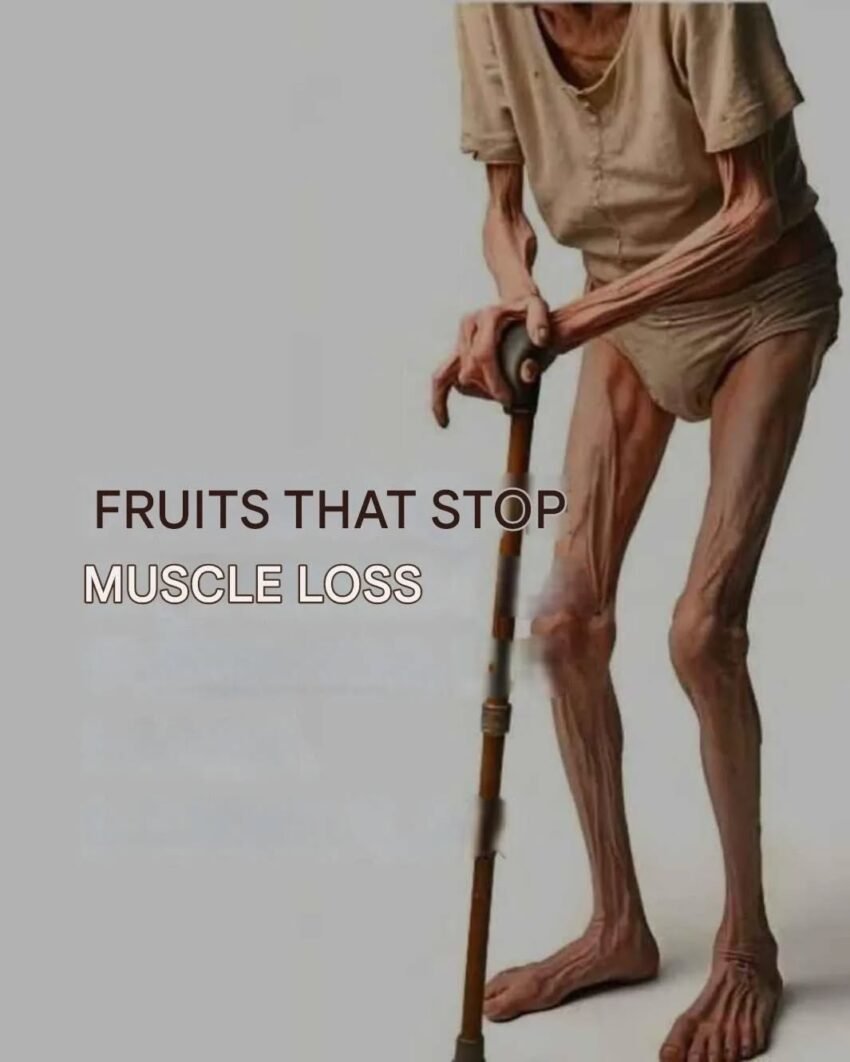
Muscle Growth Starts in the Kitchen: 6 Foods You Need to Know (Before You Add More Weight)
Muscle isn’t built in the gym alone. Discover six everyday foods that support muscle growth, recovery, and strength—backed by nutrition science.
Introduction: Why Your Workouts Aren’t the Whole Story
You can lift heavier.
Train harder.
Add more sets.
And still see limited muscle growth.
This is one of the most frustrating realities for people trying to build muscle—especially in the U.S., where gym culture is strong but nutrition is often treated as an afterthought.
Here’s the truth most lifters learn late:
Muscle growth doesn’t start with weights. It starts in the kitchen.
Training creates the stimulus.
Food provides the raw materials.
Without the right nutrients, your body simply doesn’t have what it needs to repair, rebuild, and grow stronger muscle tissue—no matter how intense your workouts are.
This guide breaks down:
-
Why food matters as much as training
-
The six foods that consistently support muscle growth
-
How to use them in real American diets
-
Common mistakes that quietly stall progress
No supplements required. No extreme diets. Just smart, repeatable nutrition.
How Muscle Growth Actually Works (Quick, Clear Overview)
Muscle growth—also called hypertrophy—happens when three things align:
-
Resistance training creates small muscle fiber damage
-
Recovery allows repair and adaptation
-
Nutrition supplies the building blocks
Miss any one of these, and progress slows.
Food supports muscle growth by:
-
Providing amino acids for repair
-
Supplying energy for training and recovery
-
Supporting hormones involved in growth
-
Reducing excessive inflammation
Protein matters—but it’s not the only piece.
Why “Eating More” Isn’t the Same as Eating Right
Many people trying to build muscle make one of two mistakes:
-
They under-eat quality food
-
Or they over-eat calories without nutrients
Muscle growth requires nutrient density, not just surplus calories.
That’s where food choice becomes critical.
The 6 Foods That Support Muscle Growth (And Why They Matter)
These foods aren’t exotic. They’re accessible, affordable, and effective when used consistently.
1. Eggs: The Gold Standard for Muscle Building
Why Eggs Matter
Eggs provide:
-
High-quality complete protein
-
Leucine, a key amino acid for muscle protein synthesis
-
Healthy fats that support hormone production
The yolk matters. Many muscle-supportive nutrients live there.
How Americans Can Use Them
-
Breakfast omelets with vegetables
-
Hard-boiled eggs for snacks
-
Scrambled eggs post-workout
Common Mistake
Eating egg whites only and missing out on nutrients that support recovery.
2. Lean Beef: Protein Plus Performance Nutrients
Why Beef Supports Muscle Growth
Lean beef delivers:
-
Complete protein
-
Iron for oxygen delivery
-
Zinc for recovery and immune support
-
Creatine (naturally occurring)
This combination supports both strength and endurance.
Best Choices
-
Sirloin
-
Ground beef (90% lean or higher)
-
Flank steak
Real-World Tip
You don’t need large portions—quality and consistency matter more than size.
3. Greek Yogurt: Muscle Repair While You Rest
Why Greek Yogurt Works
Greek yogurt contains:
-
Casein protein (slow-digesting)
-
Calcium for muscle contraction
-
Probiotics that support digestion and nutrient absorption
This makes it ideal for evening or post-workout meals.
How to Use It
-
Plain Greek yogurt with fruit
-
Protein-rich smoothies
-
Savory yogurt bowls
Common Mistake
Choosing flavored versions loaded with added sugar.
4. Salmon: Muscle Growth Loves Healthy Fats
Why Fat Matters for Muscle
Muscle growth isn’t just protein-driven. Healthy fats:
-
Support testosterone production
-
Reduce chronic inflammation
-
Improve muscle recovery
Salmon provides:
-
High-quality protein
-
Omega-3 fatty acids
-
Vitamin D
Practical Use
-
2–3 servings per week
-
Baked, grilled, or pan-seared
What Many People Miss
Recovery improves when inflammation is managed—not eliminated.
5. Complex Carbohydrates: Fuel for Growth
Why Carbs Are Not the Enemy
Carbohydrates:
-
Replenish muscle glycogen
-
Support workout intensity
-
Reduce muscle breakdown
Without carbs, protein is often wasted as energy.
Best Options
-
Brown rice
-
Sweet potatoes
-
Oats
-
Quinoa
Timing Tip
Carbs matter most:
-
Before training (performance)
-
After training (recovery)
6. Beans and Lentils: Underrated Muscle Support
Why Plant Proteins Still Matter
Beans and lentils provide:
-
Protein
-
Fiber for gut health
-
Magnesium and potassium for muscle function
They’re especially useful for:
-
Muscle endurance
-
Recovery
-
Appetite control
How to Use Them
-
Mixed into meals with animal protein
-
As a base for bowls or salads
Common Mistake
Relying on them alone for protein instead of combining sources.
How to Combine These Foods for Better Results
Muscle growth improves when meals include:
-
Protein + carbohydrates
-
Some healthy fat
-
Enough total calories
Simple Example Meal
-
Grilled salmon
-
Sweet potato
-
Steamed vegetables
-
Greek yogurt on the side
Simple, effective, repeatable.
Pros and Cons of Food-First Muscle Building
Pros
-
Sustainable long-term
-
Supports overall health
-
Reduces reliance on supplements
-
Improves recovery and energy
Cons
-
Requires planning
-
Results aren’t instant
-
Needs consistency
Common Muscle-Building Nutrition Mistakes
1. Overemphasizing Protein Alone
Muscles need fuel, not just building blocks.
2. Skipping Meals
Inconsistent intake slows recovery.
3. Ignoring Sleep and Hydration
Food works best when recovery is supported.
4. Expecting Results Without Patience
Muscle growth is gradual by design.
Latest Trends in Muscle Nutrition (What Actually Matters)
Popular Right Now
-
High-protein diets
-
Functional foods
-
Food-first recovery
What Will Last
-
Whole foods over powders
-
Balanced macros
-
Consistent eating patterns
Trends change. Physiology doesn’t.
FAQs: People Also Ask
Can I build muscle without supplements?
Yes. Supplements are optional, not required.
How much protein do I need?
Enough to support training—exact needs vary by body and activity.
Do carbs really matter for muscle growth?
Yes. They support training intensity and recovery.
Is fat important for muscle building?
Yes—especially for hormonal balance.
Can older adults still build muscle with food?
Absolutely. Nutrition becomes even more important with age.
Should I eat before or after workouts?
Both matter. Pre-fuel and post-recovery work together.
Are plant-based diets effective for muscle growth?
They can be, when properly planned.
What’s the biggest takeaway?
Training builds the signal. Food builds the muscle.
Conclusion: Strong Muscles Are Built Where You Eat, Not Just Where You Train
The gym creates the opportunity.
The kitchen delivers the results.
If your training is consistent but progress feels slow, the answer isn’t always more weight or more volume—it’s often better nutrition choices, repeated daily.
Focus on:
-
Quality food
-
Balanced meals
-
Consistent intake
And muscle growth stops feeling like a mystery.
If this guide helped:
-
Share it with someone stuck in their progress
-
Leave a comment with your go-to muscle meal
-
Explore more food-first fitness guides
Because the strongest bodies aren’t built by shortcuts—they’re built by habits you can actually maintain.