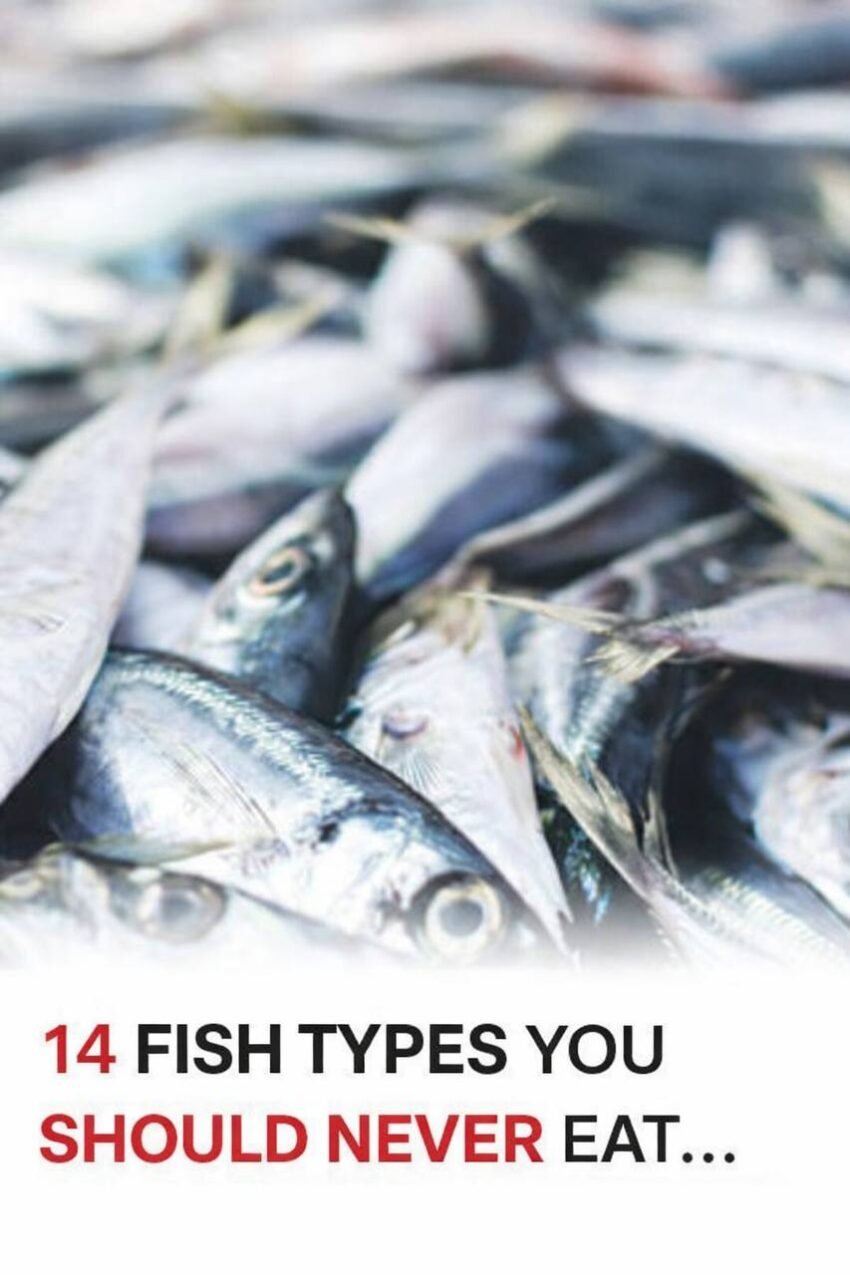
WARNING — Stop Eating This Fish Immediately: Full Health Alert and Scientific Review
Learn which fish poses serious health risks, the scientific reasons why, and safer alternatives to protect your health. Read before your next meal.
Seafood is often celebrated for its omega-3 fatty acids, protein, and brain-boosting benefits, but not all fish are created equal. Certain species can carry dangerous toxins or high levels of contaminants, posing serious health risks if consumed regularly.
This article breaks down which fish to avoid, why it’s risky, and what safer options you can choose to protect your health.
The Fish in Question: King Mackerel and Similar Large Predatory Fish
Health experts and scientific studies consistently warn against consuming king mackerel, tilefish, shark, and swordfish frequently. These are large, long-living predatory fish that accumulate high levels of mercury and other heavy metals over time.
Why This Fish Is Dangerous
1. High Mercury Levels
-
Mercury is a toxic heavy metal that can affect the nervous system, kidneys, and cardiovascular health.
-
Large predatory fish consume smaller fish, leading to bioaccumulation, meaning the mercury concentration increases as it moves up the food chain.
2. Impact on Brain Health
-
Mercury exposure has been linked to memory problems, cognitive decline, and developmental issues in children and fetuses.
-
Pregnant women are especially advised to avoid high-mercury fish entirely.
3. Other Contaminants
-
Some large fish may also contain PCBs, dioxins, and other environmental toxins.
-
Chronic consumption can strain the liver and immune system.
Signs You Might Be at Risk
-
Frequent consumption of fast-food fish sandwiches, sushi rolls with high-mercury fish, or seafood at buffets
-
Experiencing fatigue, tremors, or tingling in hands and feet (in severe mercury exposure cases)
-
Pregnancy or planning to become pregnant
If any of these apply, it’s crucial to switch to safer seafood options immediately.
Safer Alternatives
Here’s a list of fish that provide healthy omega-3s without high mercury risk:
| Fish | Mercury Level | Benefits |
|---|---|---|
| Salmon | Low | High in omega-3s, supports heart and brain health |
| Sardines | Low | Small fish, rich in calcium and vitamin D |
| Anchovies | Low | Great source of protein and healthy fats |
| Trout | Low | Freshwater fish with excellent nutrient profile |
| Tilapia | Low | Affordable and widely available |
Choosing these fish allows you to enjoy the benefits of seafood without the hidden dangers.
Real-Life Scenario
Nutritionist Laura shares:
“I had a patient who ate swordfish twice a week. Over time, she started experiencing memory lapses and fatigue. After switching to salmon and sardines, her symptoms improved, and lab tests showed reduced mercury levels. Knowledge is key — not all fish are safe.”
How to Reduce Risk
-
Check local advisories — some fish caught in local waters may have higher toxin levels.
-
Limit large predatory fish — if you do eat them, once a month or less.
-
Diversify your seafood — smaller fish tend to accumulate fewer toxins.
-
Include plant-based omega-3s — flaxseed, chia seeds, and walnuts can support heart and brain health without mercury risk.
FAQs
1. Can cooking remove mercury?
No — mercury is a heavy metal, and cooking does not eliminate it.
2. Is canned tuna safe?
-
Light tuna is lower in mercury and safe in moderation.
-
Albacore (white) tuna has higher mercury and should be limited.
3. Can children eat seafood?
Yes — but stick to low-mercury fish like salmon, tilapia, or sardines.
4. Are all large fish dangerous?
Not all, but larger, predatory, long-living fish are the main concern.
5. How often can I eat seafood safely?
2–3 servings per week of low-mercury fish is generally recommended for adults.
Some fish, especially king mackerel, swordfish, shark, and tilefish, pose serious health risks due to high mercury and toxin levels.
-
Avoid frequent consumption
-
Opt for low-mercury alternatives like salmon, sardines, or trout
-
Diversify your omega-3 sources and stay informed
Protect your health by making informed choices about seafood — it’s one small change that can have a big impact on your long-term wellbeing.