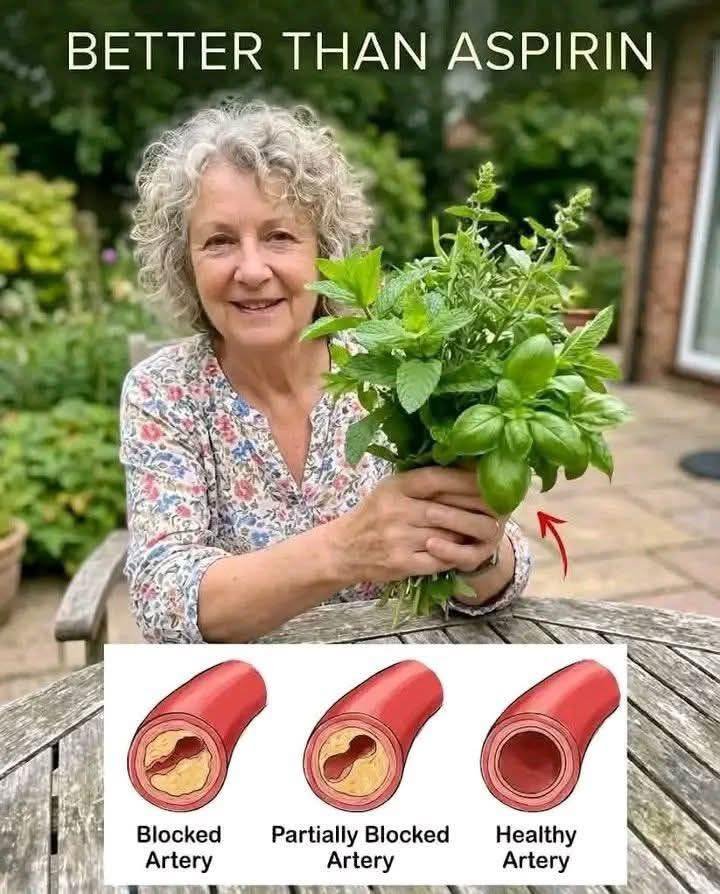
Say Goodbye to Clogged Arteries? 9 Powerful Foods That Support Heart Health (Without the Hype)
Discover 9 evidence-based foods that support healthy arteries and circulation—plus what they can and cannot do for heart health.
“Say goodbye to clogged arteries — better than aspirin!”
It’s a bold claim.
It grabs attention because heart disease remains the leading cause of death in the United States. Nearly every family has been touched by it in some way. So when a headline promises a natural alternative that works “better than aspirin,” it feels hopeful.
But let’s start with something important:
No food can instantly unclog arteries. And no food replaces prescribed medications like aspirin without medical supervision.
That said, certain foods do support vascular health, cholesterol balance, inflammation regulation, and blood flow over time.
The key word is: over time.
Let’s separate myth from meaningful strategy.
First: What Does “Clogged Arteries” Actually Mean?
The medical term is atherosclerosis.
It happens when plaque — made of cholesterol, fat, calcium, and inflammatory cells — builds up inside artery walls. Over years, that buildup can restrict blood flow.
This is not a 7-day fix situation.
It’s a decades-long process influenced by:
-
Diet
-
Activity level
-
Blood pressure
-
Blood sugar
-
Smoking
-
Genetics
-
Sleep
-
Stress
Understanding this changes everything.
Why Aspirin Is Mentioned So Often
Low-dose aspirin is sometimes prescribed to reduce clot formation risk in certain individuals.
It works by affecting platelet aggregation — not by dissolving plaque.
Important:
Aspirin therapy is not appropriate for everyone and can increase bleeding risk. Never stop or replace prescribed medication without speaking to your healthcare provider.
Food cannot “outperform” aspirin in its specific medical mechanism.
But food can support overall cardiovascular health in broader ways.
9 Foods That Support Arterial Health (Backed by Research)
These foods don’t act like medication.
They work by supporting:
-
Healthy cholesterol levels
-
Reduced oxidative stress
-
Improved endothelial function
-
Lower inflammation markers
1. Fatty Fish (Salmon, Sardines, Mackerel)
Rich in omega-3 fatty acids.
Omega-3s are associated with:
-
Reduced triglycerides
-
Improved vascular flexibility
-
Anti-inflammatory effects
Aim for 2 servings per week.
2. Leafy Greens (Spinach, Kale, Arugula)
High in dietary nitrates.
Nitrates can convert into nitric oxide, which helps relax blood vessels and support circulation.
They also contain fiber and antioxidants.
3. Berries (Blueberries, Strawberries, Blackberries)
Loaded with polyphenols and anthocyanins.
These compounds are studied for:
-
Endothelial function support
-
Reduced oxidative stress
A cup a day is a practical target.
4. Extra Virgin Olive Oil
A cornerstone of Mediterranean-style eating patterns.
Associated with:
-
Improved HDL cholesterol
-
Reduced LDL oxidation
-
Anti-inflammatory effects
Use as your primary cooking oil when possible.
5. Nuts (Especially Walnuts and Almonds)
Provide:
-
Healthy fats
-
Fiber
-
Plant sterols
Regular moderate intake is linked to better lipid profiles.
Stick to a small handful daily.
6. Oats and Barley
High in beta-glucan soluble fiber.
Soluble fiber helps reduce LDL cholesterol absorption in the digestive tract.
A bowl of oatmeal isn’t glamorous — but it works.
7. Garlic
Contains allicin compounds studied for mild blood pressure support and vascular health.
Fresh garlic may offer more benefit than heavily processed versions.
8. Avocados
Rich in monounsaturated fats and potassium.
These support:
-
Healthy blood pressure
-
Favorable cholesterol balance
9. Legumes (Beans, Lentils, Chickpeas)
High in:
-
Fiber
-
Plant protein
-
Magnesium
Replacing red meat with legumes several times per week can significantly improve cardiovascular markers.
What These Foods Actually Do
They may help:
-
Slow plaque progression
-
Improve cholesterol ratios
-
Reduce inflammation
-
Support arterial flexibility
-
Improve blood flow efficiency
They do not:
-
Dissolve existing plaque overnight
-
Replace blood thinners
-
Reverse severe blockages
-
Eliminate the need for medical care
Precision matters.
A Practical Artery-Support Plate
Instead of focusing on one “superfood,” build a pattern:
Breakfast:
Oatmeal with berries and walnuts
Lunch:
Spinach salad with olive oil, salmon, and chickpeas
Dinner:
Grilled vegetables, lentils, and avocado slices
Snack:
Apple with almond butter
Consistency beats intensity.
Real-World Scenario
Michael, 59, had mildly elevated LDL cholesterol.
Instead of chasing miracle remedies, he:
-
Switched from butter to olive oil
-
Ate fish twice weekly
-
Added oats daily
-
Reduced processed foods
-
Walked 30 minutes daily
After several months, his cholesterol improved — alongside weight and blood pressure markers.
No dramatic claims.
Just sustained change.
The Lifestyle Multiplier Effect
Food works best when paired with:
-
Regular physical activity
-
Stress reduction
-
Adequate sleep
-
Smoking cessation
-
Blood sugar management
One cannot out-eat a sedentary lifestyle.
Common Mistakes People Make
-
Searching for a single “miracle” food
-
Ignoring portion control
-
Overusing supplements instead of real food
-
Stopping medication without medical advice
-
Assuming natural equals safe for everyone
Pros and Cons of the “Food First” Approach
| Pros | Cons |
|---|---|
| Supports long-term heart health | Requires consistency |
| Improves overall wellness | Results take time |
| Lowers inflammation naturally | Not a quick fix |
| Accessible and affordable | Does not replace necessary medication |
Who Should Be Especially Cautious?
If you have:
-
Known coronary artery disease
-
Stents
-
History of stroke
-
Diabetes
-
High blood pressure
Diet is essential — but it must complement medical care, not replace it.
Frequently Asked Questions
1. Can food unclog arteries?
Not in the way surgery or procedures can. Food may slow progression and support overall heart health.
2. Is aspirin necessary if I eat well?
That depends on your medical history. Only your healthcare provider can decide.
3. How long does diet take to affect cholesterol?
Changes may appear in bloodwork within 6–12 weeks.
4. Are supplements as good as whole foods?
Whole foods offer fiber and synergistic compounds supplements often lack.
5. Does red wine help arteries?
Moderation is critical. Alcohol can disrupt sleep and raise blood pressure.
6. Is plaque reversible?
In some cases, aggressive lifestyle change may reduce plaque burden modestly — but not instantly.
7. What’s the best overall diet pattern?
Mediterranean-style eating patterns are consistently associated with cardiovascular benefits.
8. Can exercise clear arteries?
Exercise improves vascular function but does not mechanically remove plaque.
2025 Heart Health Insight
Cardiologists increasingly emphasize:
-
Whole-food dietary patterns
-
Inflammation management
-
Metabolic flexibility
-
Personalized risk assessment
-
Continuous glucose monitoring in high-risk patients
The trend is away from single “superfoods” and toward integrated lifestyle strategies.
Action Checklist
✔ Add leafy greens daily
✔ Eat fatty fish twice weekly
✔ Replace refined carbs with whole grains
✔ Choose olive oil over butter
✔ Include legumes several times weekly
✔ Walk at least 30 minutes daily
✔ Monitor blood pressure and cholesterol
✔ Consult your provider before changing medications
There is no food better than aspirin in its medical role.
But there are foods that support your arteries in powerful, measurable ways.
Real heart protection doesn’t come from viral headlines.
It comes from daily patterns, smart choices, and partnership with your healthcare team.
If you’ve made dietary changes that improved your heart health markers, share your experience below. Real stories inspire real change.
Your arteries won’t transform overnight.
But with consistent action, they can absolutely move in the right direction.