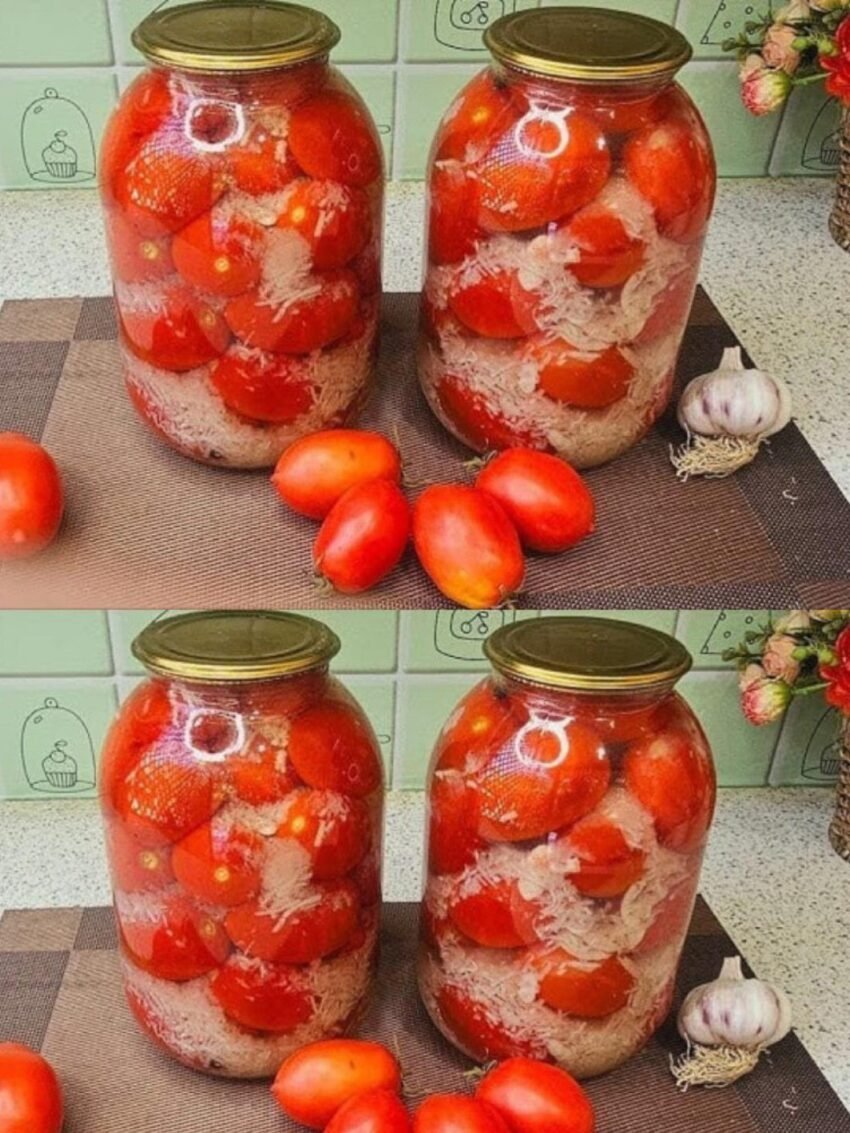
I’ve Been Storing Tomatoes This Way for 10 Years — And They’re Always as Fresh as Summer
Discover the expert method to store tomatoes so they stay fresh, juicy, and flavorful year-round. No refrigeration nightmares—just summer-like taste anytime.
Nothing beats the taste of a sun-ripened summer tomato: vibrant color, juicy texture, and that perfect balance of sweetness and acidity.
But what if I told you that you could enjoy tomatoes that taste just as fresh months later, without soggy skin or bland flavor?
After 10 years of perfecting my storage method, I’ve unlocked a way to keep tomatoes tasting like summer, no matter the season.
Here’s how—and why it works.
Why Most Tomato Storage Methods Fail
Common mistakes:
-
Refrigerating ripe tomatoes
-
Cold temperatures destroy flavor and texture.
-
Flesh becomes mealy, and aroma diminishes.
-
-
Leaving tomatoes in direct sunlight
-
Heat can speed ripening too much, causing bruising or rot.
-
-
Storing in plastic bags
-
Traps moisture, leading to mold and quick spoilage.
-
Even when handled carefully, many storage methods can’t preserve the “just-picked” taste.
The Secret to Long-Lasting, Summer-Fresh Tomatoes
1. Choose the Right Tomatoes
-
Firm but ripe: Slightly soft at the blossom end, but not mushy.
-
Unblemished skin: Avoid cracks or bruises.
-
Vine-attached: Keeps them fresher longer.
Varieties like Roma, Cherry, or Heirloom can last longer when stored properly.
2. Use a Cool, Dry, Well-Ventilated Space
-
Ideal temperature: 55–70°F (13–21°C)
-
Avoid refrigeration unless fully ripe and you plan to use within a couple of days.
-
Store in single layers, stem-side up, so air circulates and prevents pressure spots.
Pro tip: Use a wooden crate or paper-lined tray, not plastic containers that trap moisture.
3. Separate by Ripeness
-
Ripe tomatoes: Use within 2–3 days or keep slightly cooler.
-
Less ripe tomatoes: Store in a single layer to slowly ripen.
-
Avoid stacking—they bruise easily.
4. Optional: Vinegar Rinse for Extra Longevity
-
Rinse tomatoes in a mild vinegar solution (1 part vinegar, 3 parts water).
-
Air-dry completely.
-
This kills surface bacteria, reducing early spoilage.
Many professional gardeners and farmers swear by this trick for long-term storage without refrigeration.
Why This Method Works
-
Temperature control slows ripening without destroying flavor.
-
Air circulation prevents mold and soft spots.
-
Single-layer storage minimizes pressure damage.
-
Vinegar rinse prevents microbial growth on the skin.
Combined, these steps allow tomatoes to remain juicy, flavorful, and aromatic—just like summer harvests.
Real-Life Scenario
Samantha from Portland:
She used to refrigerate her vine-ripened tomatoes, only to be disappointed with bland, mealy fruit. After switching to this storage method—single layer on a tray in a cool pantry—she says:
“Even in January, my tomatoes taste like July. The aroma, the sweetness—it’s unbelievable.”
Common Mistakes to Avoid
-
Stacking tomatoes → causes bruising and quick spoilage.
-
Plastic bags or airtight containers → trap moisture, promoting mold.
-
Cold storage for ripening tomatoes → kills flavor compounds.
-
Ignoring stem attachment → detachment accelerates decay.
Tips to Maximize Freshness
-
Check daily and remove any that show soft spots.
-
Use tomatoes in order of ripeness.
-
Keep away from fruits like bananas or apples—ethylene gas can accelerate ripening.
-
Rotate storage location seasonally: cooler in winter, slightly warmer in summer.
Optional Step for Extended Storage
-
Paper bag method for ripening: Place slightly under-ripe tomatoes in a brown paper bag with an apple to speed up gentle ripening.
-
Remove once the desired ripeness is achieved and return to cool storage.
2025 Trend: Home Tomato Preservation
Across the U.S., gardeners and home cooks are rediscovering non-refrigerated storage methods. Many are opting for:
-
Controlled pantry storage
-
Crates or breathable baskets
-
Vinegar rinse and airflow techniques
This approach maintains flavor while reducing waste—a big win for home kitchens and sustainability.
FAQs About Tomato Storage
1. Can I refrigerate tomatoes at all?
Only if they’re fully ripe and you plan to use them within a day or two. Avoid long-term refrigeration.
2. How long can tomatoes last with this method?
Typically 1–3 weeks depending on ripeness and variety.
3. Can cherry tomatoes last as long?
Yes, but smaller tomatoes may ripen faster. Check daily.
4. Does washing affect storage?
Wash only if using vinegar rinse; otherwise, moisture can promote mold.
5. Can I store tomatoes in a basket on the countertop?
Yes, if the area is cool, dry, and not in direct sunlight.
Conclusion: Keep Summer in Your Pantry Year-Round
With the right variety, cool, dry storage, airflow, and optional vinegar rinse, you can enjoy tomatoes that taste just like summer—even months later.
No soggy textures, no bland flavor—just fresh, juicy tomatoes whenever you want.
-
Select firm, vine-attached tomatoes
-
Store in a cool, dry, ventilated space
-
Use single-layer trays
-
Optionally rinse with vinegar for longevity
With these steps, your pantry becomes a summer tomato sanctuary all year long.
What’s stopping you from trying this method today? Your next tomato might just taste like July in the middle of winter.