The Riskiest Time to Shower After 70 — And How to Stay Safe 🚿
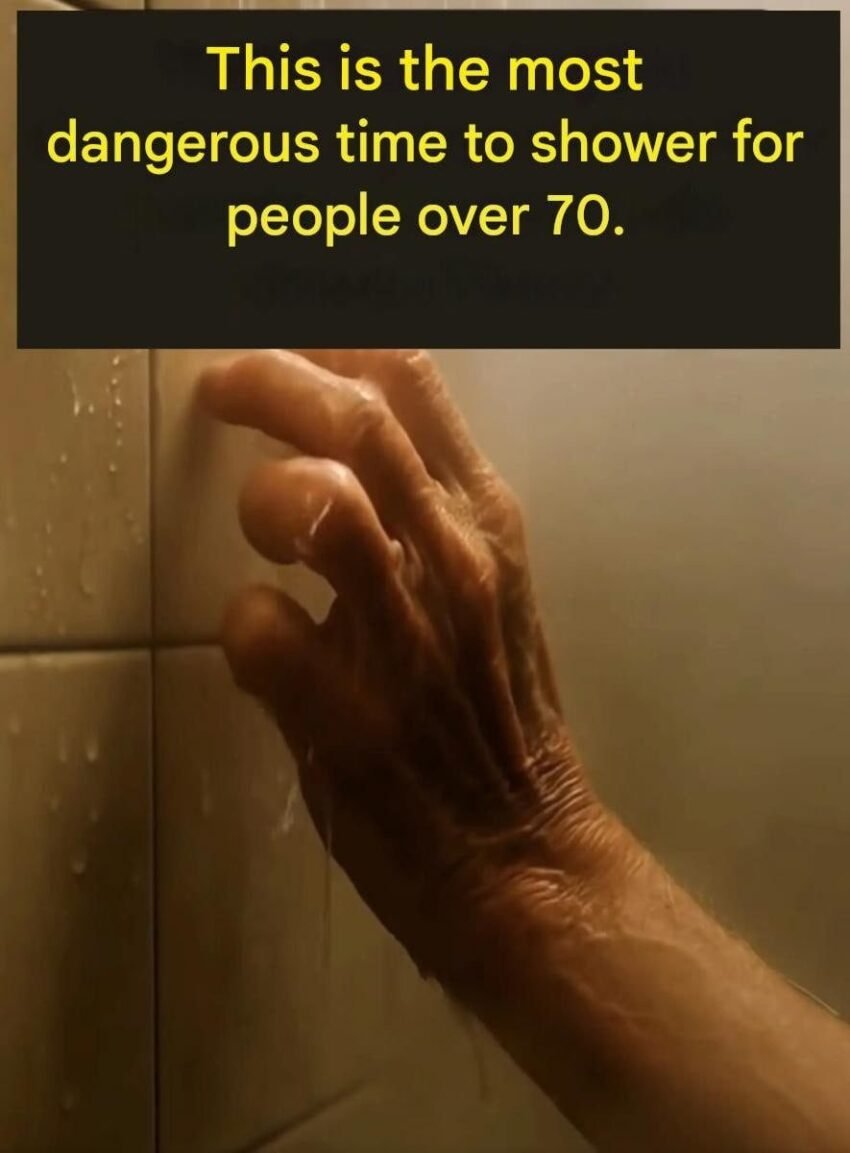
Showering is usually a simple daily routine — but after age 70, certain times and conditions can make it surprisingly risky. Falls, dizziness, or sudden changes in blood pressure can turn a quick shower into a dangerous situation. Understanding when and how to shower safely is key to staying independent and injury-free.
🕒 Why Timing Matters
As we age, our bodies undergo changes that affect balance, circulation, and temperature regulation:
-
Blood pressure fluctuations: Standing up too quickly or hot water can cause lightheadedness.
-
Slower reflexes: Balance recovery is slower, increasing the risk of falls.
-
Temperature sensitivity: Older adults are more sensitive to heat and cold, which can trigger fainting or heart strain.
These factors mean that the time you shower can be as important as how you shower.
⚠️ The Riskiest Times to Shower After 70
1️⃣ Immediately After Waking Up
-
Blood pressure is naturally lower in the morning.
-
Getting out of bed and into a warm shower can trigger orthostatic hypotension (a sudden drop in blood pressure).
-
This can lead to dizziness, fainting, or falls.
Tip: Sit on the edge of the bed for a minute before standing, and consider a warm — not hot — shower.
2️⃣ After Eating a Large Meal
-
Digestion diverts blood to the stomach.
-
Hot showers increase circulation to the skin, potentially reducing blood flow to the brain.
-
Combined, these factors may make you lightheaded.
Tip: Wait 30–60 minutes after a big meal before showering.
3️⃣ Late at Night When Fatigued
-
Tiredness affects balance and reaction time.
-
Muscles may be weaker, increasing the risk of slips.
-
Low lighting or grogginess can make the floor harder to navigate safely.
Tip: Keep the bathroom well-lit and use non-slip mats.
💡 Safety Tips for Senior Showers
-
Install grab bars and non-slip mats in the shower or bathtub.
-
Use a shower chair or bench if balance is a concern.
-
Check water temperature to avoid burns — aim for warm, not scalding.
-
Shower with a handheld showerhead to reduce bending and twisting.
-
Keep a towel or robe nearby to avoid cold exposure and slips when exiting.
-
Consider shorter showers — 5–10 minutes is sufficient and safer.
🚿 The Best Time to Shower After 70
-
Mid-morning or early afternoon is generally safest:
-
Blood pressure has stabilized
-
You’re fully awake
-
You’re less fatigued than late at night
-
-
Avoid immediately after waking or after heavy meals
For adults over 70, showers are best approached mindfully:
-
Timing matters — mid-morning or early afternoon is ideal
-
Avoid sudden changes in posture, hot water extremes, and fatigue
-
Safety tools (grab bars, non-slip mats, shower chairs) are essential
Showering can remain a safe and enjoyable routine — as long as you respect the body’s changing needs with age.