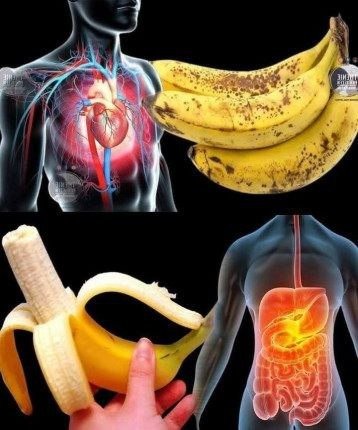
Did You Know? Eating Bananas May Boost More Than Just Your Energy — Here’s What They Really Increase
Do bananas really boost mood, energy, or potassium levels? Discover what eating bananas actually increases in your body — backed by science.
Bananas: Just a Quick Snack… or Something More?
You toss one into your gym bag.
Slice it into cereal.
Blend it into a smoothie.
Bananas are one of the most consumed fruits in the United States — convenient, affordable, and naturally sweet.
But you’ve probably heard bold claims like:
-
“Bananas increase happiness.”
-
“They boost testosterone.”
-
“They spike your blood sugar.”
-
“They increase potassium instantly.”
-
“They help you sleep.”
So what’s true?
Let’s break down what eating bananas actually increases in your body — and what’s just hype.
First: What’s Inside a Banana?
A medium banana contains:
-
~105 calories
-
~27 grams of carbohydrates
-
~14 grams of natural sugar
-
~3 grams of fiber
-
~400–450 mg of potassium
-
Vitamin B6
-
Vitamin C
-
Small amounts of magnesium
That nutrient combination explains most of the benefits.
Now let’s explore what bananas truly increase.
1. Potassium Levels (Yes — But Within Limits)
Bananas are widely known for potassium.
Potassium helps:
-
Regulate blood pressure
-
Support nerve function
-
Maintain muscle contractions
-
Balance fluids
According to the Centers for Disease Control and Prevention, many Americans don’t get enough potassium daily.
A banana provides roughly 9–10% of the recommended daily intake.
Important Note:
One banana won’t dramatically spike potassium unless you were deficient. It contributes gradually as part of a balanced diet.
2. Energy Availability
Bananas increase readily available energy due to their carbohydrate content.
The natural sugars (glucose, fructose, sucrose) combined with fiber provide:
-
Quick fuel
-
Sustained release
-
Minimal digestive strain
That’s why athletes often eat bananas before workouts.
It’s not magic — it’s accessible fuel.
3. Serotonin Precursors (Mood Support)
Bananas contain tryptophan — an amino acid involved in serotonin production.
Serotonin helps regulate:
-
Mood
-
Sleep
-
Emotional stability
However, bananas don’t directly flood your brain with serotonin.
Instead, they provide building blocks that support healthy neurotransmitter balance.
Mood improvement is subtle — not immediate euphoria.
4. Blood Sugar (Temporarily)
Yes, bananas increase blood sugar.
But context matters.
Compared to candy or soda, bananas:
-
Contain fiber
-
Have a moderate glycemic index
-
Provide nutrients alongside sugar
For most healthy individuals, a banana does not cause harmful spikes.
For those with diabetes or insulin resistance, pairing a banana with protein (like peanut butter or yogurt) can reduce glucose fluctuations.
5. Digestive Movement
Bananas increase bowel regularity — especially ripe ones.
They contain:
-
Soluble fiber (helps soften stool)
-
Prebiotics (feed beneficial gut bacteria)
Less ripe bananas contain resistant starch, which may improve gut health over time.
For some people, bananas relieve constipation.
For others (especially if unripe), they may slow digestion slightly.
Individual response varies.
6. Magnesium and Muscle Function
Bananas contain modest magnesium levels.
Magnesium supports:
-
Muscle relaxation
-
Sleep quality
-
Nerve transmission
While bananas aren’t a high-magnesium superfood, they contribute to overall intake.
That’s why some people feel muscle cramp relief when eating bananas — especially if low in electrolytes.
7. Satiety (Feeling Full)
Because bananas contain fiber and natural carbohydrates, they can increase satiety temporarily.
Compared to processed snacks, they:
-
Reduce hunger
-
Provide stable energy
-
Limit overeating
However, bananas alone may not keep you full long-term.
Pairing them with protein or fat increases fullness duration.
8. Dopamine (But Not in the Way You Think)
Bananas contain small amounts of dopamine.
However, dietary dopamine does not cross the blood-brain barrier.
So it won’t directly boost brain dopamine levels.
What it may do:
-
Provide antioxidant effects
-
Support cellular health
Claims that bananas dramatically increase dopamine levels are overstated.
Do Bananas Increase Testosterone?
This is a popular internet claim.
There is no strong scientific evidence that bananas significantly increase testosterone levels.
They contain bromelain-like enzymes and nutrients that support overall health — but not hormonal spikes.
Healthy testosterone levels depend more on:
-
Sleep
-
Resistance training
-
Body fat percentage
-
Stress management
Bananas can support overall nutrition — not directly alter hormone levels.
Do Bananas Increase Weight?
Bananas increase calorie intake like any food.
But they are not inherently fattening.
Weight gain occurs when total calorie intake exceeds expenditure consistently.
In fact, replacing processed snacks with bananas may support weight management.
Why Bananas Are So Popular in the U.S.
Bananas are:
-
Affordable year-round
-
Portable
-
Naturally sweet
-
Kid-friendly
-
Gym-friendly
According to U.S. agricultural data, bananas consistently rank among the top-selling fruits nationwide.
Their versatility contributes to their widespread consumption.
Pros and Cons of Eating Bananas Daily
| Pros | Cons |
|---|---|
| Boost potassium intake | May raise blood sugar if eaten alone |
| Provide quick energy | Not high in protein |
| Support digestion | Can worsen constipation in some |
| Convenient & affordable | Overconsumption adds calories |
Moderation matters.
Best Ways to Eat Bananas for Maximum Benefit
For Stable Blood Sugar:
Pair with:
-
Greek yogurt
-
Almond butter
-
Cottage cheese
For Workout Fuel:
Eat 30–60 minutes before exercise.
For Better Digestion:
Choose ripe bananas if constipated.
Choose slightly green bananas for resistant starch benefits.
Common Myths About Bananas
Myth: Bananas are too high in sugar.
They contain natural sugars plus fiber — very different from added sugar.
Myth: Bananas cause belly fat.
No single food causes localized fat gain.
Myth: Bananas cure depression.
They support nutrition — not replace mental health treatment.
Myth: You shouldn’t eat bananas at night.
There’s no strong evidence they disrupt sleep.
Mini Case Example
Sarah, 34, started eating a banana mid-morning instead of grabbing a pastry.
She noticed:
-
Fewer energy crashes
-
Reduced afternoon cravings
-
Improved digestion
It wasn’t the banana alone — it replaced ultra-processed snacks.
Small swaps matter.
Frequently Asked Questions
Do bananas increase blood pressure?
No. Potassium in bananas may actually support healthy blood pressure.
Do bananas increase serotonin?
They provide precursors, but effects are mild.
Can diabetics eat bananas?
Often yes, in moderation and paired with protein — but individual guidance matters.
Do bananas increase metabolism?
They provide energy but don’t significantly boost metabolic rate.
Are green bananas healthier?
They contain more resistant starch, which benefits gut bacteria.
Do bananas increase belly bloating?
Some people sensitive to FODMAPs may experience bloating.
Is one banana per day safe?
For most healthy individuals, yes.
Can you eat too many bananas?
Excessive intake may increase calories and potassium — moderation is key.
Action Checklist
✔ Pair bananas with protein for balance
✔ Use them as a replacement for processed snacks
✔ Choose ripeness based on digestive needs
✔ Monitor blood sugar response if diabetic
✔ Keep overall calorie intake in perspective
Eating bananas increases:
-
Potassium intake
-
Energy availability
-
Fiber consumption
-
Nutrient density in your diet
They do not magically boost hormones.
They do not instantly cure mood disorders.
They are not “superfoods.”
They’re simply a nutritious, convenient fruit that supports overall health when part of a balanced diet.
If you’ve noticed benefits from adding bananas to your routine, share your experience below. And if you’ve heard a banana myth you’re unsure about, drop it in the comments — let’s separate fact from fiction.