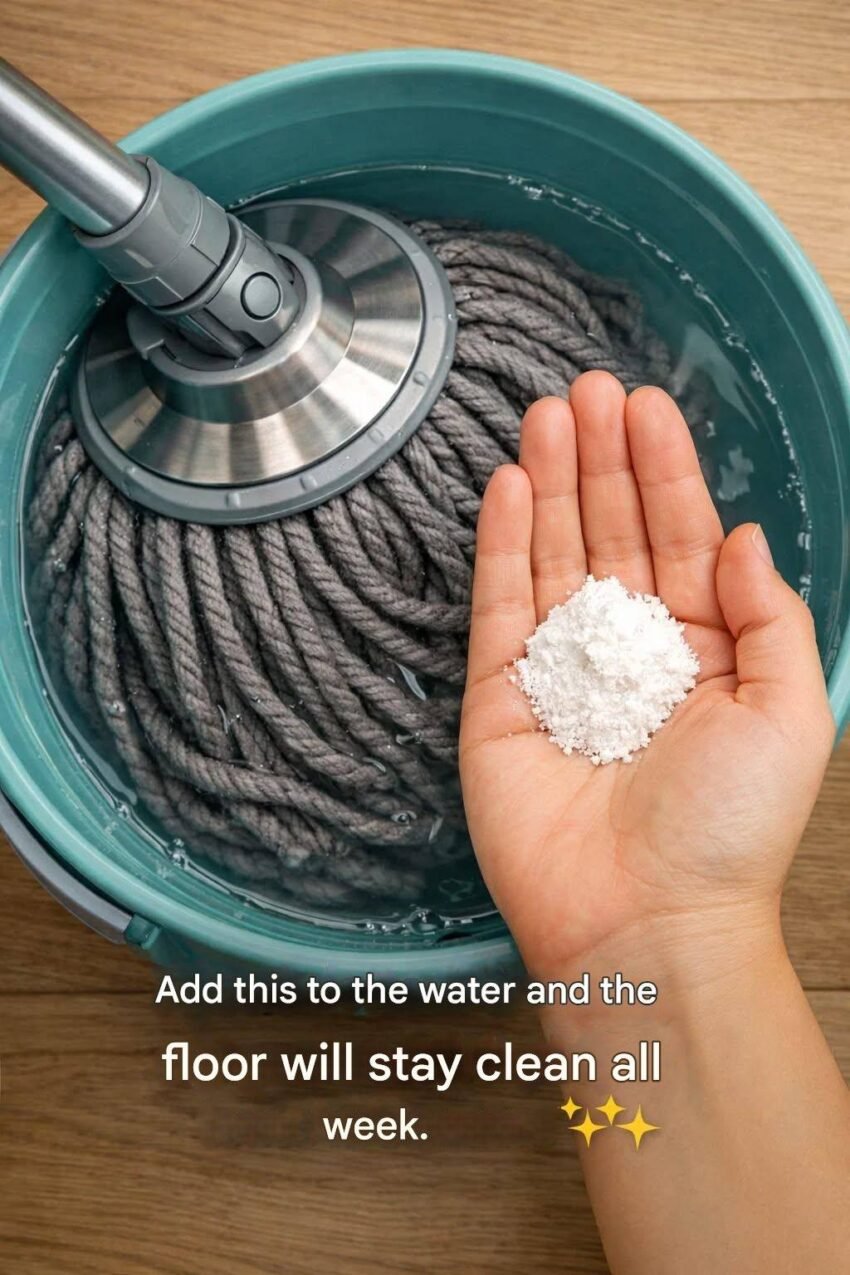
Put This One Ingredient in Your Mop Bucket — And Your Floors Can Stay Cleaner All Week
Want cleaner floors that last longer? Discover the simple ingredient that helps repel dirt, reduce streaks, and keep floors fresh for days.
Tired of Mopping… and Seeing Footprints Again the Next Day?
You spend 30 minutes mopping.
It smells clean. It looks shiny.
Then by tomorrow afternoon?
Dust, streaks, and faint footprints are back.
If this sounds familiar, the problem may not be how often you clean — it may be what you’re putting in your mop bucket.
There’s one simple ingredient that many professional cleaners quietly use because it doesn’t just clean — it helps reduce residue and dirt buildup for days.
Let’s break it down properly (and safely).
The Ingredient: White Distilled Vinegar
The simple ingredient is white distilled vinegar.
It’s inexpensive, widely available in U.S. grocery stores, and surprisingly effective when used correctly.
Why vinegar?
Because it:
-
Breaks down mineral deposits
-
Cuts through light grease
-
Reduces soap residue
-
Helps prevent streaking
-
Neutralizes odors
When floors don’t have sticky residue left behind, they attract less dirt.
That’s the real secret.
Why Floors Get Dirty So Fast (It’s Not Just Foot Traffic)
Many commercial cleaners leave behind:
-
Soap film
-
Fragrance residue
-
Shine enhancers
Those residues can actually attract dust and grime.
It’s similar to washing your hair with too much product — buildup happens.
A mild acidic rinse (like diluted vinegar) helps remove leftover residue so dirt has less to cling to.
That’s why floors can stay cleaner longer.
How to Use Vinegar in Your Mop Bucket (The Right Way)
Basic Recipe for Most Hard Floors
-
1 gallon of warm water
-
½ cup white distilled vinegar
That’s it.
For light fragrance (optional), you can add a few drops of essential oil — but it’s not required.
Important:
Never mix vinegar with bleach. That creates harmful fumes.
What Types of Floors Does This Work Best On?
✔ Tile
✔ Vinyl
✔ Laminate (lightly damp mop only)
✔ Sealed hardwood (small amount, not soaking wet)
✔ Linoleum
When NOT to Use Vinegar
Avoid vinegar on:
-
Natural stone (marble, granite, travertine)
-
Unsealed hardwood
-
Waxed floors
The acidity can dull or damage these surfaces over time.
Always check manufacturer recommendations first.
Why This Can Help Floors Stay Cleaner All Week
It’s not magic.
Here’s what’s happening:
-
Vinegar removes residue buildup.
-
Less residue means less dirt adhesion.
-
Fewer sticky surfaces = less visible grime.
-
Neutralized odors reduce the “dirty” smell.
When floors are truly residue-free, they don’t attract grime as quickly.
That’s the difference between “looks clean” and “stays clean.”
Bonus Tip: Add One More Step for Longer Results
After mopping:
-
Let floors fully air dry.
-
Avoid walking on them until dry.
-
Use entry mats at all doors.
Most dirt enters homes from shoes.
According to household cleaning studies, the majority of indoor floor dirt originates from outdoor foot traffic.
Reducing incoming dirt multiplies your cleaning effort.
Real-World Example
A homeowner in Texas noticed her tile floors looked cloudy just two days after mopping with scented cleaner.
She switched to diluted vinegar once weekly and stopped using heavy soap-based products.
Within two weeks:
-
Less streaking
-
Fewer visible footprints
-
Cleaner appearance between mopping
The difference wasn’t frequency — it was residue control.
Pros and Cons of Using Vinegar for Floors
| Pros | Cons |
|---|---|
| Affordable | Mild smell while wet |
| Cuts residue | Not safe for stone |
| Reduces streaks | Must dilute properly |
| Eco-friendly | Doesn’t disinfect like commercial cleaners |
Important: Vinegar cleans but does not replace hospital-grade disinfectants.
For high-risk sanitation (illness, raw meat spills), use an EPA-approved disinfectant separately.
Common Mistakes That Make Floors Dirtier
-
Using too much soap
-
Not changing mop water mid-clean
-
Mopping with a dirty mop head
-
Leaving floors slightly sticky
-
Skipping vacuuming before mopping
Always sweep or vacuum first.
Otherwise, you’re just spreading grit around.
Alternative Ingredient Some Professionals Use
If vinegar isn’t suitable for your floors, another mild option is:
A tiny drop of dish soap (literally a few drops per gallon).
Too much creates residue. Less is more.
Frequently Asked Questions
Does vinegar disinfect floors?
It has mild antimicrobial properties but is not a hospital-grade disinfectant.
Will my house smell like vinegar?
The smell fades as it dries.
Can I use apple cider vinegar?
White distilled vinegar is preferred — it’s clear and less likely to stain.
Is vinegar safe for pets?
Once diluted and dry, generally yes. Avoid direct ingestion.
How often should I mop?
High-traffic areas: 1–2 times per week
Low-traffic areas: every 2 weeks
Does this work on hardwood?
Only sealed hardwood, lightly damp — never soaking.
Can I mix vinegar with commercial cleaner?
No. Use separately.
Why do my floors feel sticky after cleaning?
Too much product buildup.
Step-by-Step Weekly Floor Routine
-
Vacuum or sweep thoroughly
-
Mix warm water + ½ cup vinegar
-
Mop lightly (not soaking)
-
Change water if it gets cloudy
-
Allow to air dry fully
-
Keep shoes off indoors
Consistency matters more than intensity.
Putting white distilled vinegar in your mop bucket won’t magically stop all dirt.
But it can remove residue that causes floors to look dirty faster.
Cleaner surface + less buildup = longer-lasting freshness.
If you’ve been mopping constantly without results, try adjusting what’s in your bucket — not just how often you clean.
Have a cleaning trick that keeps your floors looking better longer? Share it below — real-life tips always help.