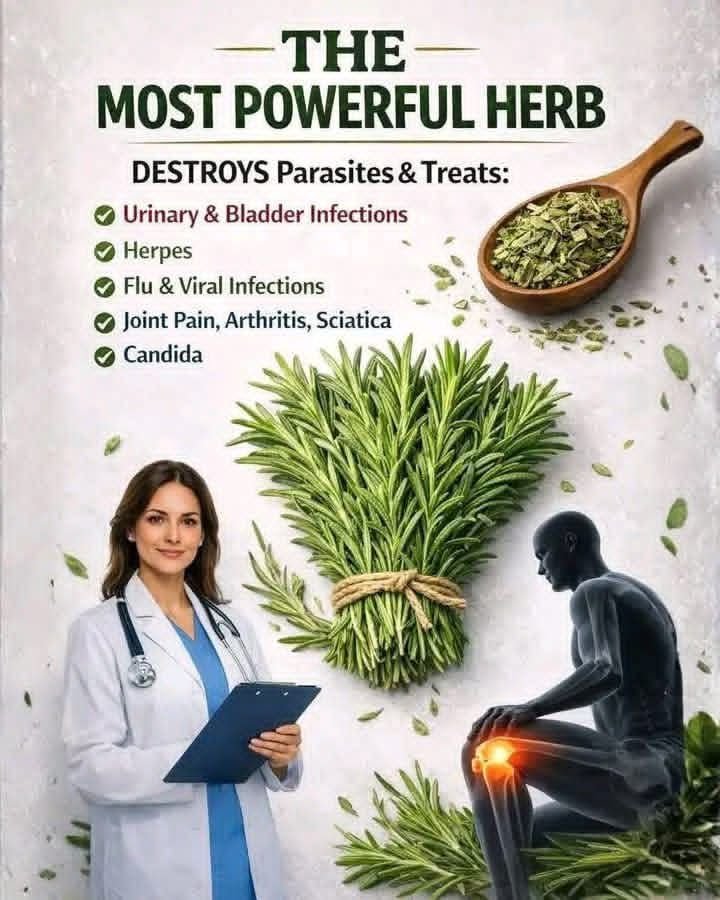
The “Most Powerful” Healing Herb? What One Plant Can (and Can’t) Really Do for Your Health
Looking for the most powerful healing herb? Discover what science actually says, which herbs show promise, and how to use them safely.
If One Herb Could Cure Everything… We’d All Know Its Name
Every few months, a headline pops up:
“This ancient herb cures everything.”
It’s tempting. Especially if you’re tired of feeling inflamed, stressed, bloated, exhausted, or stuck in a cycle of quick fixes.
But here’s the honest truth:
There is no single herb that cures everything.
Human biology is complex. Health conditions vary. Genetics, lifestyle, stress, sleep, and nutrition all play roles.
That said…
There are herbs with remarkably broad therapeutic potential — supported by centuries of traditional use and increasingly by modern research.
In this article, we’ll explore:
-
Why the “cures everything” claim is misleading
-
Which herb is often considered the most versatile
-
What the science actually says
-
How it may support multiple body systems
-
Who should avoid it
-
How to use it safely
-
What realistic results look like
Let’s approach this intelligently — not emotionally.
Why “Cures Everything” Is a Red Flag
In the United States, health misinformation spreads quickly — especially online.
Major health institutions such as Harvard University regularly warn that no single supplement or herb can treat all diseases.
The phrase “cures everything” is problematic because:
-
Diseases have different root causes
-
The immune system is complex
-
Chronic conditions require medical oversight
-
Herbs interact differently with individuals
When something claims to fix everything, skepticism is healthy.
But that doesn’t mean powerful herbs don’t exist.
It just means we need nuance.
The Herb Most Often Called “The Most Powerful”
If you search widely enough, one herb appears repeatedly in traditional medicine systems and modern research:
Turmeric (Curcuma longa)
Not because it cures everything — but because it affects multiple biological pathways.
Turmeric contains curcumin, its primary active compound.
Curcumin has been studied for its:
-
Anti-inflammatory effects
-
Antioxidant properties
-
Immune modulation
-
Potential metabolic support
That’s unusually broad for a plant compound.
But broad support is not the same as universal cure.
Why Turmeric Gets So Much Attention
1. Inflammation Is a Common Root Issue
Chronic inflammation contributes to many conditions:
-
Joint discomfort
-
Metabolic dysfunction
-
Cardiovascular risk factors
-
Cognitive decline
Because inflammation is a shared underlying factor, compounds that reduce inflammatory markers appear “multi-purpose.”
That’s part of turmeric’s appeal.
2. Strong Antioxidant Properties
Oxidative stress damages cells.
Curcumin helps neutralize free radicals and may stimulate the body’s own antioxidant enzymes.
Reducing oxidative stress can support:
-
Skin health
-
Brain function
-
Aging processes
Again — supportive, not curative.
3. Digestive System Support
Turmeric has traditionally been used to support digestion and bile production.
Many people report:
-
Reduced bloating
-
Better post-meal comfort
-
Improved gut regularity
That alone makes it feel “powerful.”
What Science Actually Says
According to health research discussions often referenced by organizations like Harvard University and summarized in public-facing materials, turmeric shows promising results in certain areas — especially inflammation-related conditions.
However:
-
Bioavailability is low unless paired with black pepper (piperine).
-
Large-scale human trials are still ongoing.
-
It is not a substitute for prescribed medical treatments.
Context matters.
Other Herbs Often Called “Miracle Healers”
Turmeric isn’t alone.
Several herbs earn similar reputations because of their wide-ranging properties.
1. Garlic
-
Cardiovascular support
-
Antimicrobial properties
-
Immune support
2. Ginger
-
Digestive support
-
Anti-inflammatory effects
-
Mild thermogenic activity
3. Ashwagandha
-
Stress modulation
-
Cortisol balance
-
Sleep support
4. Holy Basil (Tulsi)
-
Adaptogenic properties
-
Stress resilience
-
Immune modulation
Each supports multiple systems.
None cure everything.
Why One Herb Can’t Replace a Healthy Lifestyle
In the U.S., chronic disease rates are influenced heavily by:
-
Ultra-processed food intake
-
Sedentary behavior
-
Sleep deprivation
-
Chronic stress
Even the most powerful herb cannot override:
-
Calorie imbalance
-
Lack of movement
-
Persistent high stress
-
Poor sleep hygiene
Herbs amplify good habits.
They don’t compensate for harmful ones.
How to Use Turmeric Safely and Effectively
If you choose to incorporate turmeric:
1. Use It With Black Pepper
Piperine increases curcumin absorption significantly.
2. Take It With Fat
Curcumin is fat-soluble.
Pair it with olive oil or avocado.
3. Don’t Mega-Dose
More isn’t better.
High doses may cause:
-
Gastrointestinal discomfort
-
Interactions with blood thinners
Always consult your healthcare provider if you:
-
Take medications
-
Have gallbladder issues
-
Are pregnant
-
Have chronic conditions
Realistic Benefits People Notice
With consistent, moderate use, some individuals report:
-
Reduced joint stiffness
-
Less bloating
-
Improved recovery after workouts
-
Subtle improvement in skin clarity
These changes typically occur over weeks — not days.
The Psychology Behind “Cures Everything”
Search data frequently referenced by Google shows consistent spikes in searches like:
-
“Natural cure for everything”
-
“One herb that heals all”
-
“Ancient miracle plant”
Why?
Because people want simplicity.
Complex health advice is overwhelming.
But oversimplification creates false hope.
And false hope leads to disappointment.
2026 Wellness Trend: Evidence Over Hype
Publications such as Forbes increasingly highlight a shift toward:
-
Evidence-based supplementation
-
Transparency in labeling
-
Clinical validation
-
Functional medicine approaches
Consumers are becoming more informed.
The “miracle cure” era is fading.
The “smart support” era is rising.
Mini Case Scenario
Maria, 45, Arizona:
-
Mild joint stiffness
-
High stress job
-
Eats moderately well
She adds:
-
Turmeric with black pepper daily
-
Two strength workouts weekly
-
30-minute evening walks
-
Better sleep routine
After 6 weeks:
-
Reports improved mobility
-
Feels less inflamed
-
Better overall energy
Was it just turmeric?
No.
It was the combination.
Pros and Cons of “Powerful” Herbs
| Pros | Cons |
|---|---|
| Natural plant compounds | Not regulated like drugs |
| Broad systemic support | Variable potency |
| Generally safe in moderation | Possible interactions |
| Affordable | Not a substitute for treatment |
Frequently Asked Questions
1. Is there truly a herb that cures everything?
No. That claim is scientifically unsupported.
2. Is turmeric safe daily?
Generally yes in moderate amounts, but consult a healthcare provider if you take medications.
3. Can herbs replace prescription medicine?
No. They may complement care but not replace medical treatment.
4. How long before I see benefits?
Often 4–8 weeks with consistent use.
5. Are supplements better than whole herbs?
Not necessarily. Quality and bioavailability matter more.
6. Why do some people feel dramatic results?
Placebo effect, lifestyle changes, and inflammation reduction may contribute.
7. Is natural always safe?
No. Natural substances can still interact with medications or cause side effects.
8. What’s the best strategy for overall health?
Balanced diet, movement, sleep, stress management — with herbs as support.
Action Checklist
If you want to explore powerful herbs wisely:
✔ Research credible sources
✔ Start with small doses
✔ Monitor how you feel
✔ Avoid exaggerated claims
✔ Consult your healthcare provider
✔ Focus on foundational habits
The Bigger Truth About Healing
The most powerful “healing herb” isn’t a single plant.
It’s consistency.
It’s sleep.
It’s nutrition.
It’s strength training.
It’s stress management.
Herbs like turmeric can support those systems beautifully.
But they don’t replace them.
There is no herb that cures everything.
However, certain plants — like turmeric — have broad anti-inflammatory and antioxidant properties that may support overall wellness when used responsibly.
If you’re looking for real, lasting health improvements:
Build the foundation first.
Use herbs as intelligent support.
Avoid miracle promises.
And remember — sustainable health isn’t dramatic.
It’s consistent.
If you’ve tried turmeric or other healing herbs, share your experience below. What worked for you — and what didn’t?
Let’s keep the conversation honest, informed, and practical.