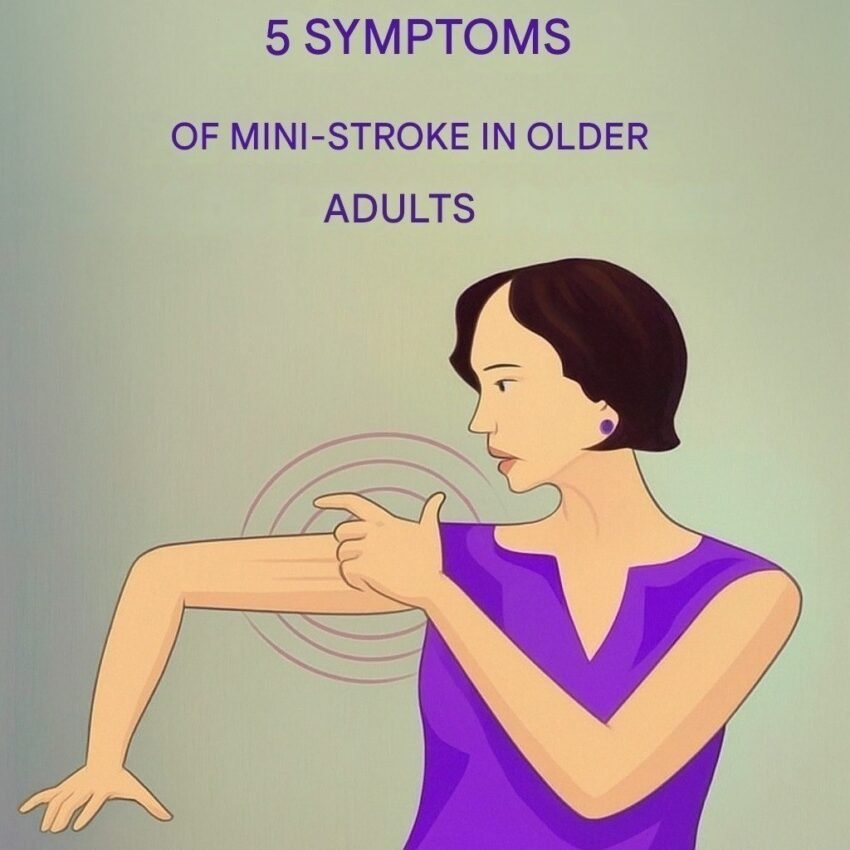
Understanding Mini Strokes in Seniors
A mini stroke, medically known as a Transient Ischemic Attack (TIA), is a temporary blockage of blood flow to the brain. Unlike a full stroke, symptoms may last only a few minutes to a few hours, often leaving no permanent damage — but they are a critical warning.
For seniors, recognizing a TIA early can prevent a major stroke and save lives.
5 Symptoms You Shouldn’t Ignore
1️⃣ Sudden Weakness or Numbness
-
Often affects one side of the body, such as an arm, leg, or face
-
Can cause drooping of the mouth or difficulty lifting an arm
-
Tip: Note the onset and side affected — even if it improves quickly, seek medical attention
2️⃣ Difficulty Speaking or Understanding Speech
-
Slurred speech, trouble finding words, or confusion
-
May only last a few minutes but is a red flag for brain circulation issues
-
Tip: Ask the person to repeat a simple sentence; difficulty indicates urgent evaluation
3️⃣ Vision Changes
-
Sudden blurred vision, double vision, or partial loss of sight in one eye
-
Often temporary but signals reduced blood flow to the optic nerves or brain
-
Tip: Monitor duration and seek emergency care immediately
4️⃣ Sudden Dizziness or Loss of Balance
-
Trouble walking, unsteadiness, or feeling off-balance
-
Can be accompanied by nausea or headache
-
Tip: Don’t ignore sudden loss of coordination — it can precede a larger stroke
5️⃣ Severe Headache With No Known Cause
-
Sudden, intense headache unlike usual headaches
-
May occur with other TIA symptoms
-
Tip: Note onset, intensity, and accompanying symptoms; emergency evaluation is necessary
Why Seniors Are at Higher Risk
-
Age-related blood vessel changes increase stroke risk
-
High blood pressure, diabetes, and heart conditions are common contributing factors
-
Mini strokes are often precursors to more severe strokes, making early recognition vital
What to Do If You Suspect a TIA
-
Call 911 immediately — even if symptoms improve quickly
-
Document symptoms: onset time, duration, and type of symptoms
-
Bring medication list and medical history to the hospital
-
Follow-up with a neurologist for evaluation, imaging, and treatment
Preventive Measures for Seniors
-
Maintain healthy blood pressure and cholesterol levels
-
Eat a balanced diet rich in fruits, vegetables, and whole grains
-
Exercise regularly to improve circulation
-
Avoid smoking and limit alcohol
-
Take prescribed medications for heart and blood vessel health consistently
Real-Life Example
-
Eleanor, 71: Experienced temporary slurred speech and numbness in her hand. She ignored it at first, but her doctor later confirmed a TIA. After lifestyle changes and proper treatment, she avoided a major stroke.
Mini strokes in seniors may seem brief or minor, but they are serious warning signs.
✨ Recognize sudden weakness, speech difficulty, vision changes, dizziness, or severe headaches — seek immediate medical attention. Early action can save lives and prevent major strokes.