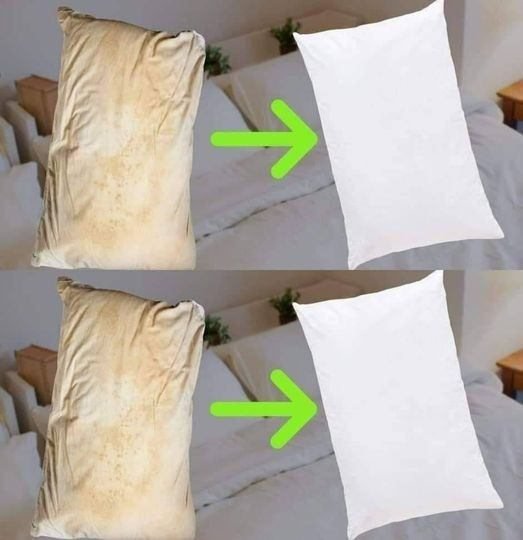
Here’s How to Clean Dirty Bed Pillows to Leave Them White and Smelling Sweet Every Time
Learn how to deep-clean your bed pillows to make them fluffy, white, and fresh-smelling. Step-by-step tips for long-lasting comfort and hygiene.
Your bed is your sanctuary.
But your pillows? They silently absorb:
-
Sweat
-
Body oils
-
Dead skin cells
-
Dust mites
-
Foul odors
Over time, even the fluffiest pillow can become gray, saggy, or musty.
It’s not just a cosmetic problem—it’s a hygiene issue.
The good news? You don’t have to replace your pillows. With the right cleaning routine, you can restore whiteness, softness, and a sweet scent that makes bedtime feel luxurious.
Here’s the ultimate guide for American homes to clean pillows effectively.
Why Pillow Cleaning Matters
-
Health: Dirty pillows can trigger allergies and asthma due to dust mites and bacteria.
-
Longevity: Regular cleaning extends the life of your pillows, saving money.
-
Sleep Quality: Fresh-smelling, fluffy pillows improve comfort and relaxation.
-
Aesthetics: Bright white pillows instantly make your bed look cleaner and more inviting.
Step 1: Check the Care Label
Before washing:
-
Look for the manufacturer’s instructions.
-
Most down, feather, polyester, and memory foam pillows have specific care requirements.
-
Some pillows (like memory foam) shouldn’t go in a washing machine, but can be spot-cleaned or soaked carefully.
Tip: If your pillow has a removable cover, remove it and wash it separately.
Step 2: Gather Your Cleaning Supplies
You’ll need:
-
Mild liquid detergent or gentle laundry soap
-
Baking soda
-
White distilled vinegar
-
Optional: essential oils (lavender, lemon, or eucalyptus)
-
Washing machine or large basin
These ingredients are safe for most pillow types and help whiten, deodorize, and soften fibers.
Step 3: Pre-Treat Stains
For pillow stains (sweat, oils, or saliva):
-
Mix a paste of baking soda + water or detergent + water.
-
Apply to the stained area.
-
Let it sit for 15–30 minutes.
-
Gently rub and rinse.
Stain removal before a full wash prevents gray patches from setting permanently.
Step 4: Washing Pillows
Machine-Washable Pillows (Down, Feather, Polyester)
-
Place 2 pillows at a time for balance.
-
Use warm water (check label for exact temperature).
-
Add 1/2 cup white vinegar to the rinse cycle to remove odors and brighten whites.
-
Use gentle detergent; avoid bleach, which can damage fibers.
-
Run an extra rinse cycle to remove detergent residue.
Tip: For extra fluff, toss in 2 clean tennis balls or dryer balls in the dryer to prevent clumping.
Memory Foam Pillows
-
Do not machine wash.
-
Spot-clean with mild soap and water.
-
For odor removal, sprinkle baking soda, let it sit for 30 minutes, then vacuum.
-
Air-dry completely in a ventilated area; avoid direct sun which can degrade foam.
Step 5: Drying Pillows
Proper drying is crucial to prevent mildew:
-
Machine-dry: Low heat or air-dry settings. Include dryer balls or tennis balls.
-
Air-dry: Place on a flat, ventilated surface; flip and fluff frequently.
-
Sunlight: Natural sun kills bacteria and keeps pillows smelling fresh.
Ensure pillows are 100% dry before use. Dampness can cause mold and musty smells.
Step 6: Optional Fragrance Boost
-
Add 3–5 drops of essential oil (lavender, lemon, or eucalyptus) to a dryer ball for a fresh scent.
-
Or spray lightly with a homemade pillow mist: water + essential oil in a small spray bottle.
This keeps your pillows smelling sweet between washes.
Step 7: Maintain Pillow Freshness
-
Wash pillows every 3–6 months.
-
Use pillow protectors under pillowcases; they reduce dirt and oils.
-
Fluff pillows daily to prevent clumping and maintain shape.
-
Replace pillows every 2–3 years for hygiene, even with regular washing.
Common Mistakes to Avoid
-
Overloading the washing machine: Pillows need space to move freely.
-
Using harsh bleach: Can damage fibers and yellow down pillows.
-
Not fully drying: Damp pillows breed mold and bacteria.
-
Skipping pre-treatment: Stains set permanently if ignored.
-
Ignoring care labels: Some pillows shrink or lose shape if washed incorrectly.
Real-Life Example
Samantha in Atlanta noticed her white pillows turning gray after just a year.
-
She pre-treated stains with baking soda, added vinegar in the wash, and dried them with dryer balls.
-
The result? Pillows were soft, white, and smelled like fresh laundry again.
-
She now washes her pillows twice a year and uses pillow protectors for longevity.
FAQs
1. Can all pillows be washed?
Most down, feather, and polyester pillows are machine-washable. Memory foam should be spot-cleaned.
2. How often should I wash pillowcases?
At least once a week to prevent buildup of oils and sweat.
3. Will vinegar damage my pillows?
No, vinegar is safe for most fabrics and helps whiten and deodorize.
4. Can I use baking soda instead of detergent?
Baking soda helps deodorize, but detergent is needed to remove oils and stains effectively.
5. Can essential oils irritate skin?
Always dilute properly. Test a small amount to ensure comfort.
Quick Cleaning Checklist
✔ Check care label
✔ Pre-treat stains with baking soda or detergent
✔ Machine wash with mild detergent + vinegar
✔ Rinse thoroughly
✔ Dry completely (machine or air)
✔ Fluff and optionally add essential oil
✔ Wash pillowcases weekly
✔ Use pillow protectors for long-term freshness
Dirty, gray, smelly pillows don’t mean it’s time to toss them.
With mild detergent, baking soda, vinegar, and proper drying, you can restore whiteness, remove odors, and keep your pillows soft and sweet-smelling.
A clean pillow means better sleep, better hygiene, and a fresher, more inviting bed every night.
Have you tried deep-cleaning your pillows this way? Share your tips and favorite scents in the comments!