Vertical Lines on Your Nails: What They Really Mean About Your Health
Vertical lines on nails may indicate more than aging. Learn the common causes, potential health signals, and when to see a doctor.
You glance down at your nails and notice thin vertical lines running from cuticle to tip.
It catches your eye because it wasn’t there a few months ago, or maybe it’s more pronounced than usual.
You wonder: Does this mean something serious? Could it be a sign of a health issue?
Many people in the United States notice these lines and worry unnecessarily — or ignore them entirely. Understanding what vertical nail lines (also called longitudinal ridges) mean can help you make sense of them.
What Are Vertical Nail Lines?
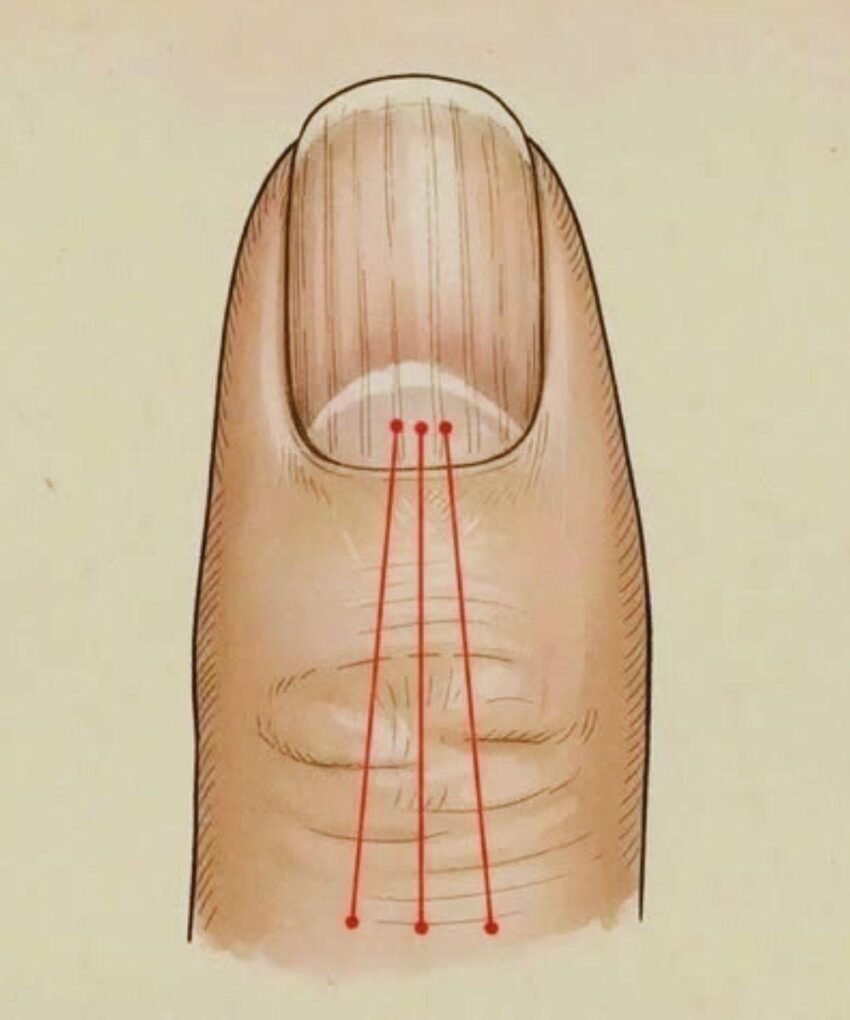
Vertical nail lines are tiny grooves running from the base of the nail to the tip.
-
Usually subtle and most often appear on the thumb, middle, or ring fingers.
-
Often more noticeable with age, as nail growth slows and the natural texture changes.
-
In most cases, they are harmless.
Tip: Vertical ridges are different from horizontal lines (Beau’s lines), which may indicate more serious health issues.
Common Causes of Vertical Lines
1. Aging
As we get older, nails naturally develop vertical ridges.
-
Collagen and moisture in nail beds decrease over time.
-
Lines usually appear gradually and affect all nails symmetrically.
2. Nutritional Deficiencies
Sometimes vertical ridges can indicate:
-
Vitamin A or B12 deficiency
-
Iron deficiency (anemia)
-
Lack of protein or essential fatty acids
A balanced diet with leafy greens, nuts, lean proteins, and fortified foods often helps.
3. Dehydration of the Nail
-
Dry nails can become brittle and lined.
-
Frequent hand washing, harsh soaps, or nail polish remover can worsen this.
-
Moisturizing cuticles and nails regularly can reduce ridges.
4. Underlying Health Conditions
In some cases, vertical ridges may be associated with:
-
Rheumatoid arthritis or other autoimmune conditions
-
Circulatory problems
-
Skin conditions like eczema or psoriasis affecting nails
Most often, though, vertical lines alone are not a sign of serious disease.
When to See a Doctor
Consult a dermatologist or physician if you notice:
-
Vertical lines accompanied by color changes (white, brown, or black streaks)
-
Thickening, crumbling, or splitting nails
-
Sudden onset of lines after illness
-
Pain, swelling, or infection around the nail
These could signal a medical condition that requires evaluation.
How to Care for Nails With Vertical Lines
-
Moisturize Daily – Use cuticle oil or hand cream to keep nails hydrated.
-
Gentle Filing – Smooth ridges carefully with a fine nail buffer; don’t overdo it.
-
Healthy Diet – Include iron, B vitamins, vitamin A, and protein.
-
Avoid Harsh Chemicals – Limit exposure to nail polish remover and cleaning products.
-
Protect Nails – Wear gloves when washing dishes or using detergents.
Myths About Vertical Nail Lines
-
Myth: Vertical lines always indicate cancer.
Fact: Almost never. Color changes or dark streaks are a separate concern. -
Myth: Only unhealthy people get ridges.
Fact: Most adults develop vertical lines naturally with age. -
Myth: Polishing or buffing removes them permanently.
Fact: Buffing only smooths the surface temporarily; ridges are part of nail structure.
Quick Action Checklist
✔ Observe nail color and texture regularly
✔ Maintain a nutrient-rich diet
✔ Keep nails and cuticles moisturized
✔ Limit harsh chemical exposure
✔ Seek medical advice if color, thickness, or pain develops
Vertical lines on your nails are usually a natural part of aging or minor nutritional or hydration issues.
In most cases, they’re harmless and can be improved with hydration, care, and proper nutrition.
However, pay attention to changes in color, thickness, or sudden onset, as these may require medical evaluation.
Healthy nails reflect overall well-being — and noticing small changes early is the first step to keeping them strong, white, and smooth.