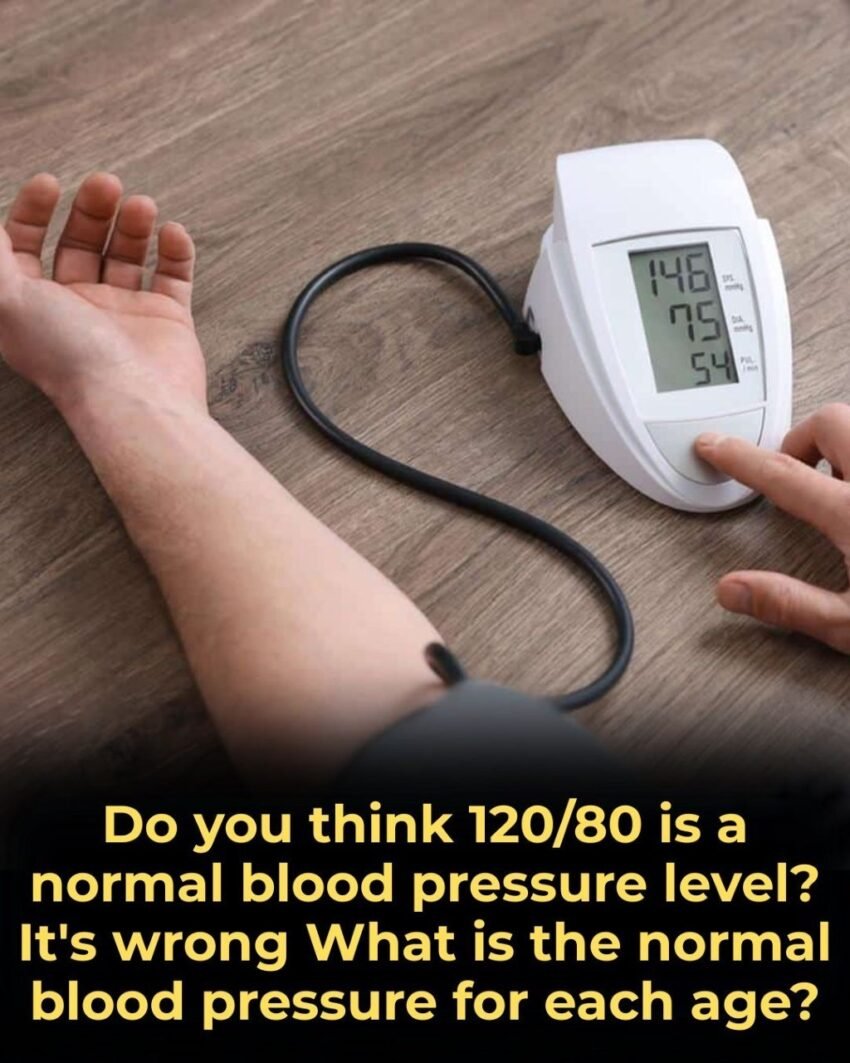
What Is Normal Blood Pressure by Age? A Clear, Guide for Every Stage of Life
Discover normal blood pressure ranges by age, what the numbers mean, and when to worry. U.S.-based guidelines, charts, and expert tips included.
If you’ve ever looked at your blood pressure reading and thought, “Is that normal for my age?” — you’re not alone.
Blood pressure numbers can feel confusing. One doctor says 120/80 is ideal. Another says 130 is “elevated.” Your neighbor insists higher numbers are normal after 60.
So what’s actually true?
This guide breaks down:
-
Normal blood pressure ranges by age
-
What systolic and diastolic numbers really mean
-
How U.S. guidelines define healthy vs. high
-
When to take action
-
Common myths about aging and blood pressure
-
Practical steps to maintain healthy levels
Whether you’re 25 or 75, understanding your numbers could protect your long-term health.
Understanding Blood Pressure: What the Two Numbers Mean
Before we talk about age, let’s decode the reading itself.
A blood pressure result looks like this:
120/80 mmHg
-
Top number (systolic): Pressure when the heart beats
-
Bottom number (diastolic): Pressure when the heart rests between beats
Blood pressure is measured in millimeters of mercury (mmHg).
Both numbers matter.
What Is Considered “Normal” in the United States?
According to the American Heart Association (AHA), blood pressure categories are defined as:
| Category | Systolic | Diastolic |
|---|---|---|
| Normal | Less than 120 | Less than 80 |
| Elevated | 120–129 | Less than 80 |
| Hypertension Stage 1 | 130–139 | 80–89 |
| Hypertension Stage 2 | 140 or higher | 90 or higher |
| Hypertensive Crisis | 180+ | 120+ |
Important: These guidelines apply to adults regardless of age.
That’s where confusion often begins.
Is Blood Pressure Supposed to Rise With Age?
It’s common for blood pressure to increase slightly with age due to:
-
Arterial stiffening
-
Reduced elasticity in blood vessels
-
Long-term lifestyle factors
However, higher blood pressure is not considered “normal” simply because someone is older.
The National Institute on Aging emphasizes that healthy targets still apply to older adults in most cases.
That said, individual targets may vary based on overall health, frailty, or existing conditions. Always consult a healthcare provider for personalized guidance.
Normal Blood Pressure by Age Group
While official guidelines don’t dramatically change by age, here’s what’s typically observed in healthy individuals across life stages.
Children (Ages 3–12)
Children’s blood pressure is based on:
-
Age
-
Height
-
Sex
Pediatricians use percentile charts rather than fixed numbers.
In general:
-
Systolic: 90–110
-
Diastolic: 55–75
High readings in children require medical evaluation, as causes differ from adults.
Teenagers (Ages 13–19)
By adolescence, readings approach adult ranges.
Typical healthy range:
-
Systolic: 100–120
-
Diastolic: 65–80
Teen hypertension is rising in the U.S., often linked to obesity and sedentary lifestyles.
Adults (Ages 20–39)
Healthy range:
-
Ideal: Below 120/80
-
Acceptable: Under 130/80
Young adults often ignore slightly elevated numbers. That’s risky.
Early high blood pressure increases long-term cardiovascular risk.
Adults (Ages 40–59)
At this stage:
-
Arteries begin stiffening
-
Risk of hypertension increases
-
Lifestyle impact becomes visible
Many adults in this group begin developing Stage 1 hypertension.
Target range remains:
-
Under 130/80
Regular screening becomes especially important.
Adults (60 and Older)
Older adults may see:
-
Higher systolic readings
-
Isolated systolic hypertension (high top number, normal bottom number)
However, most healthy seniors still aim for:
-
Under 130/80
Some providers may adjust targets depending on fall risk or medication tolerance.
This is individualized medicine — not a one-size-fits-all rule.
Why Blood Pressure Matters at Every Age
High blood pressure increases risk of:
-
Heart attack
-
Stroke
-
Kidney disease
-
Vision problems
-
Cognitive decline
It’s often called the “silent killer” because it may not cause noticeable symptoms.
According to guidance widely cited by the Centers for Disease Control and Prevention (CDC), nearly half of American adults have high blood pressure — and many don’t know it.
Early monitoring changes outcomes.
Real-Life Scenario
Imagine a 45-year-old man in Texas.
He feels fine. Exercises occasionally. No symptoms.
At a routine checkup, his reading is 138/88.
That’s Stage 1 hypertension.
He adjusts diet, increases walking, reduces sodium, and manages stress. Six months later: 122/78.
No medication needed.
Small changes, early action.
That’s the value of awareness.
Common Myths About Blood Pressure and Age
Myth #1: “High blood pressure is normal after 60.”
False. While more common, it’s still harmful.
Myth #2: “If I feel fine, my blood pressure is fine.”
Hypertension rarely causes symptoms until severe.
Myth #3: “Only overweight people get high blood pressure.”
Genetics, stress, sodium intake, sleep, and age all play roles.
Myth #4: “Medication means I failed.”
Medication is a tool, not a failure. Lifestyle + medication often work together.
Factors That Influence Blood Pressure
Regardless of age, these impact readings:
-
Sodium intake
-
Physical activity
-
Body weight
-
Alcohol consumption
-
Smoking
-
Stress levels
-
Sleep quality
-
Family history
How to Check Blood Pressure Correctly at Home
To get accurate readings:
-
Sit quietly for 5 minutes.
-
Keep feet flat on floor.
-
Support your arm at heart level.
-
Avoid caffeine 30 minutes prior.
-
Take two readings, one minute apart.
Home monitors are widely available and affordable.
Keep a log to share with your healthcare provider.
When to Seek Immediate Care
Call emergency services if blood pressure reaches:
-
180 systolic or higher
-
120 diastolic or higher
Especially if accompanied by:
-
Chest pain
-
Shortness of breath
-
Vision changes
-
Severe headache
Pros and Cons of Stricter Blood Pressure Targets
| Pros | Cons |
|---|---|
| Lower stroke risk | May increase dizziness in older adults |
| Better heart protection | Medication side effects possible |
| Improved long-term outcomes | Requires lifestyle discipline |
Treatment is personalized.
2026 Outlook: What’s Changing?
Emerging trends include:
-
More emphasis on home monitoring
-
Digital blood pressure tracking apps
-
Greater focus on lifestyle medicine
-
Expanded telehealth management
Early detection and consistent monitoring are becoming easier and more accessible.
Frequently Asked Questions
1. What is the ideal blood pressure for a 70-year-old?
Generally under 130/80, but personalized targets may apply.
2. Is 140/90 normal at age 65?
No. That falls into Stage 2 hypertension.
3. What time of day is blood pressure highest?
Usually morning.
4. Can dehydration raise blood pressure?
Yes, in some cases.
5. Does stress cause long-term hypertension?
Chronic stress can contribute over time.
6. How often should adults check blood pressure?
At least annually, or more frequently if elevated.
7. Can exercise lower blood pressure quickly?
Regular exercise lowers it over time.
8. Is low blood pressure dangerous?
Only if it causes symptoms like dizziness or fainting.
9. Are wrist monitors accurate?
Upper-arm monitors are generally more reliable.
10. Can diet alone fix high blood pressure?
In early cases, lifestyle changes can significantly reduce readings.
Action Checklist
✔ Know your numbers
✔ Check at least once per year
✔ Monitor at home if elevated
✔ Reduce sodium
✔ Stay active
✔ Maintain healthy weight
✔ Manage stress
✔ Follow medical advice
Normal blood pressure doesn’t change dramatically just because you age.
While readings may trend upward over time, healthy targets remain consistent for most adults.
The key isn’t chasing perfection.
It’s awareness, consistency, and early action.
When was the last time you checked your blood pressure? If it’s been a while, schedule a check — and share your experience or questions below. Staying informed today protects your heart tomorrow.