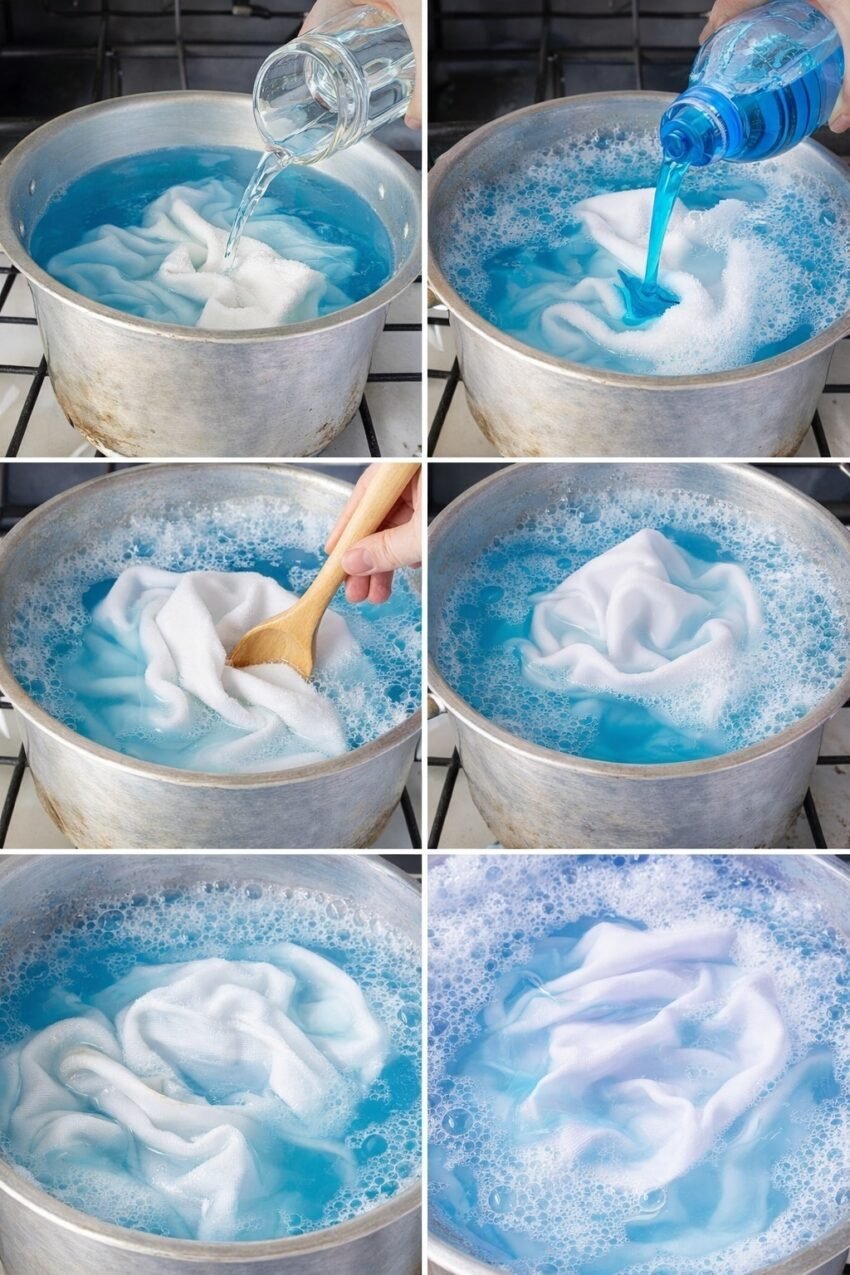
Vinegar Is the Secret to Whiter Clothes and Softer Towels — Here’s How to Use It Correctly
Unlock the full power of vinegar for laundry. Learn the correct method to whiten clothes, soften towels, and avoid common mistakes.
White clothes looking dull? Towels stiff and scratchy? Most people have vinegar sitting in their pantry but aren’t using it properly in laundry. That’s a missed opportunity.
Vinegar is a cheap, natural solution that can brighten whites, soften fabrics, and remove buildup — but only if used the right way.
This guide will show you:
-
Why vinegar works for laundry
-
The common mistakes most people make
-
Step-by-step instructions for clothes and towels
-
Tips to avoid odor and residue
-
How to maintain results long-term
By the end, your laundry routine will be simpler, more effective, and eco-friendly.
Why Vinegar Works
Vinegar contains acetic acid (typically 5%), which helps:
-
Break down detergent and mineral buildup – Over time, detergent residue can leave whites dull and towels stiff.
-
Soften fibers naturally – Unlike fabric softeners that coat fibers with chemicals, vinegar penetrates fibers for lasting softness.
-
Brighten whites – It helps lift minor stains and restore brightness.
-
Neutralize odors – Perfect for sweaty gym clothes or towels.
It’s gentle, non-toxic, and safe for most washable fabrics.
Common Mistakes People Make With Vinegar
Even experienced DIY laundry enthusiasts often misuse vinegar. Here’s what to avoid:
-
Pouring vinegar directly on clothes – This can leave temporary yellowing or spotting.
-
Mixing vinegar with bleach – Produces toxic chlorine gas. Never do this.
-
Using too little vinegar – Less than ½ cup per load won’t have noticeable effects.
-
Not rinsing properly – Towels may retain vinegar smell if rinsed inadequately.
-
Skipping the timing – Adding vinegar at the wrong point reduces effectiveness.
Correct usage maximizes results safely.
Step-By-Step: Whiter Clothes With Vinegar
Materials Needed:
-
½ to 1 cup white distilled vinegar
-
Your usual detergent
-
Warm water (or temperature safe for fabric)
Instructions:
-
Add detergent as usual
-
Add vinegar during rinse cycle – This prevents interaction with detergent and boosts whitening.
-
Run full rinse cycle
-
Dry clothes as usual – Air-drying whites can further enhance brightness
Tip: For extra whitening, soak lightly stained whites in a solution of 1 cup vinegar + 2 cups warm water for 30 minutes before washing.
Step-By-Step: Softer Towels With Vinegar
Towels often get stiff from detergent, fabric softeners, or hard water.
Materials Needed:
-
1 cup white distilled vinegar
-
1 load of towels
Instructions:
-
Remove towels from washing machine after detergent wash
-
Run a separate rinse cycle with 1 cup vinegar only (no detergent)
-
Dry towels on medium heat or line-dry
-
Optional: Repeat once a month for long-term softness
Note: Vinegar removes residue that stiffens fibers, so soft towels last longer without chemicals.
Real-Life Scenario
A homeowner in Ohio noticed her bath towels were rough even after fabric softener. She added 1 cup vinegar during the rinse cycle. After one wash, towels felt fluffy and soft. Whites that had started looking dingy regained brightness.
This simple adjustment saved money on fabric softeners and kept clothes lasting longer.
Extra Tips for Best Results
-
Avoid scented vinegar – Only plain white distilled vinegar works safely in laundry.
-
Don’t exceed 1 cup per load – Too much can leave odor if rinsing is inadequate.
-
Use vinegar monthly for towels – Keeps fibers soft over time.
-
Air-dry for whites – Sunlight naturally brightens whites.
-
Pair with baking soda for tough odors – Add ½ cup baking soda during the wash cycle and vinegar during rinse.
Common Questions
1. Will vinegar damage clothes?
No, it’s gentle on fabrics, including cotton, polyester, and blends.
2. Can I mix vinegar with bleach?
Never. This creates dangerous chlorine gas.
3. Can vinegar remove yellow sweat stains?
Yes, especially when combined with soaking and a warm water rinse.
4. Will towels smell like vinegar?
Proper rinsing removes the smell completely.
5. How often should I use vinegar in laundry?
Monthly for towels, or whenever whites start looking dull.
6. Is it safe for colored clothes?
Yes, it can help brighten colors, but test on a small area first to ensure no fading.
Pros and Cons of Using Vinegar in Laundry
| Pros | Cons |
|---|---|
| Affordable | Odor if not rinsed |
| Eco-friendly | Can react with bleach |
| Gentle on fabrics | Requires proper timing |
| Softens towels naturally | May not remove deep stains alone |
2026 Trend: Eco-Friendly Laundry
More Americans are moving away from chemical-laden fabric softeners. Vinegar fits perfectly with:
-
Low-waste living
-
Cost-effective cleaning
-
Non-toxic household routines
Simple changes like vinegar reduce environmental impact without sacrificing results.
Action Checklist
✔ Use ½–1 cup white distilled vinegar per load
✔ Add vinegar during rinse cycle
✔ Avoid mixing with bleach
✔ Repeat monthly for towels
✔ Combine with baking soda for extra whitening or odor removal
✔ Air-dry whites for extra brightness
Vinegar isn’t just a cooking staple — it’s a powerful laundry ally.
Used correctly, it whitens clothes, softens towels, and removes odor without harsh chemicals. Most people misuse it, but a simple rinse-cycle application can make all the difference.
Try it today, and you might never buy chemical fabric softeners again.
Have you used vinegar in your laundry? Share your tips and experiences in the comments — your trick could help someone finally get soft, bright clothes the natural way.