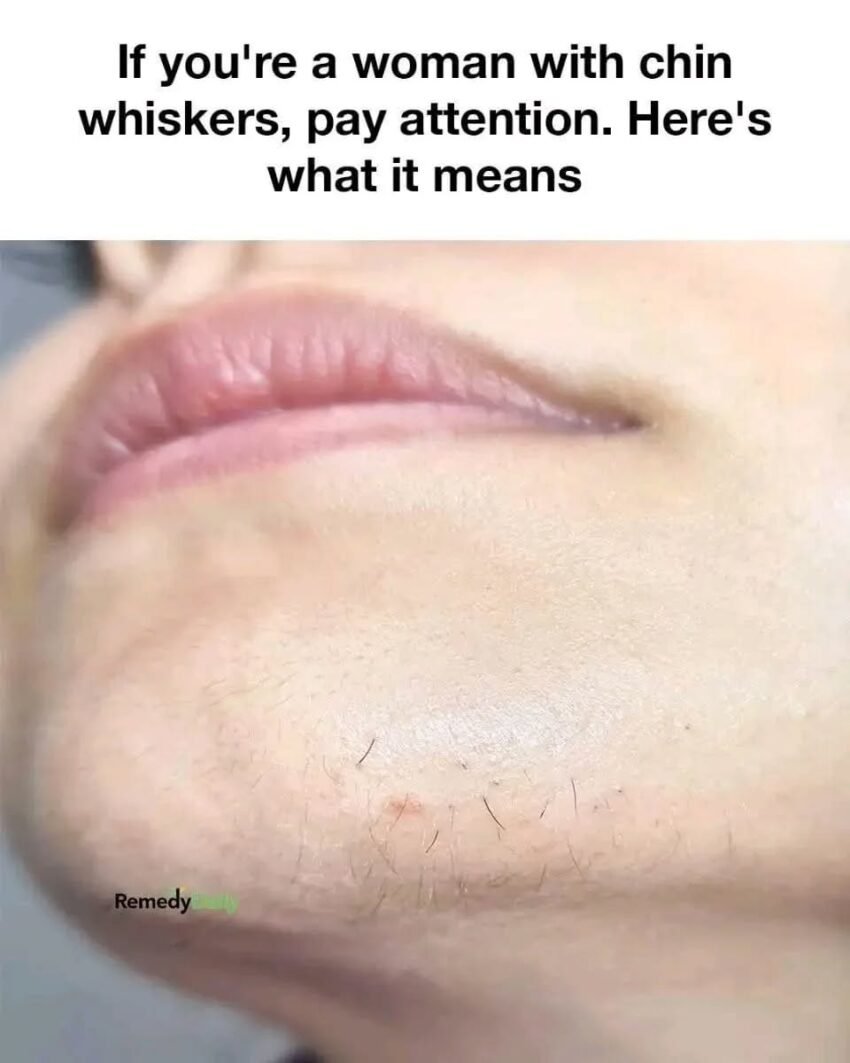
What Chin Whiskers Could Be Telling You About Your Health
Noticing chin whiskers? Learn what facial hair growth patterns may reflect about hormones, stress, aging, and overall health—without myths or fear.
Introduction: That One Hair You Keep Plucking
You’re looking in the mirror when you spot it.
A coarse, dark hair on your chin that definitely wasn’t there before. You pluck it, move on—and then a few weeks later, it’s back. Maybe with friends.
For many people (especially women), chin whiskers spark curiosity, frustration, or worry. Online, you’ll find everything from harmless explanations to extreme claims.
Here’s the grounded truth:
👉 Chin whiskers are common—and often normal—but patterns matter.
They don’t diagnose disease.
They can reflect shifts in hormones, stress, age, or genetics.
This article breaks it down clearly, safely, and realistically.
You’ll learn:
-
Why chin hairs appear in the first place
-
What’s normal vs. worth paying attention to
-
How lifestyle, hormones, and age play a role
-
Common myths to ignore
-
When it might make sense to talk to a professional
No fear. No hype. Just context.
Why Chin Hair Grows at All
Everyone has hair follicles on their face. The difference lies in how those follicles respond to hormones.
The Role of Androgens (Simply Explained)
Certain hormones influence hair thickness and location. When follicles are more sensitive to these hormones, fine hairs can become:
-
Darker
-
Thicker
-
More noticeable
This sensitivity varies widely from person to person.
What Chin Whiskers May Reflect (Context, Not Diagnosis)
1. Normal Hormonal Fluctuations
Hormones naturally shift during:
-
Puberty
-
Menstrual cycles
-
Pregnancy
-
Perimenopause and menopause
Real-life example:
Many women notice new chin hairs in their 30s or 40s, even with no health issues at all.
This is one of the most common—and least concerning—reasons.
2. Stress and Cortisol Effects
Chronic stress doesn’t just affect mood—it influences hormone balance.
High stress levels may:
-
Disrupt normal hormone regulation
-
Increase sensitivity of hair follicles
This doesn’t mean stress “causes” chin whiskers—but it can amplify what your body already tends to do.
3. Genetic Predisposition
Look at family patterns.
If close relatives:
-
Have facial hair growth
-
Experienced it at similar ages
Genetics may be the primary factor.
This is often overlooked and underestimated.
4. Age-Related Hormone Shifts
As estrogen levels change with age, the balance between hormones shifts.
This can make:
-
Existing facial hair more visible
-
New whiskers appear gradually
This is common and not inherently unhealthy.
5. Sudden or Rapid Changes (Worth Noticing)
While most chin whiskers are harmless, patterns matter.
Pay attention if you notice:
-
Rapid increase in hair growth
-
Much thicker or darker hair suddenly
-
Hair growth alongside other new symptoms
In these cases, it’s reasonable to seek professional advice—not out of panic, but curiosity and clarity.
What Chin Whiskers Do Not Automatically Mean
Let’s clear up misinformation.
❌ They do NOT automatically indicate illness
❌ They do NOT mean something is “wrong” with you
❌ They do NOT require aggressive treatment
Single symptoms rarely tell the whole story.
Common Myths About Chin Hair
Myth 1: “Plucking Makes Hair Grow Back Thicker”
➡️ Hair may feel thicker due to blunt regrowth, but plucking doesn’t change follicles.
Myth 2: “Only Hormone Disorders Cause Chin Hair”
➡️ Most cases are normal variations.
Myth 3: “This Shouldn’t Happen to Women”
➡️ Facial hair exists on all bodies—visibility varies.
Myth 4: “Natural Hair Growth Means Poor Health”
➡️ Health is about patterns, not isolated traits.
How Lifestyle Can Influence Hair Growth Patterns
While you can’t change genetics, some factors affect expression.
Sleep
Poor sleep disrupts hormone regulation.
Nutrition
Extreme dieting or nutrient deficiencies may influence hair cycles.
Stress Management
Long-term stress affects multiple body systems, including skin and hair.
These factors don’t “cause” chin whiskers—but they shape the environment your body operates in.
What to Do If Chin Whiskers Bother You
Cosmetic Options (Personal Choice)
-
Tweezing
-
Trimming
-
Waxing
-
Threading
-
Laser or electrolysis (professional guidance recommended)
There’s no health requirement to remove them—it’s about comfort and preference.
When It Makes Sense to Ask a Professional
Consider a conversation if chin hair appears along with:
-
Irregular cycles
-
Sudden weight changes
-
Skin changes
-
Fatigue or mood shifts
Not because something is “wrong,” but because context matters.
FAQs: People Also Ask
Is chin hair normal?
Yes. It’s extremely common.
Why did it appear suddenly?
Often due to hormonal shifts, age, or stress.
Does plucking make it worse?
No—appearance may change, not growth rate.
Can diet affect facial hair?
Indirectly, through overall hormone balance.
Is chin hair related to aging?
Often, yes—especially during midlife transitions.
Should I be worried about one or two hairs?
No. Single or occasional hairs are usually insignificant.
Can men experience similar changes?
Yes—facial hair patterns shift with age and hormones for all genders.
Is it okay to ignore chin whiskers completely?
Absolutely, if they don’t bother you.
Why Awareness Beats Anxiety
Bodies change. Hair patterns shift. None of this happens in isolation.
Chin whiskers are best understood as:
-
A signal, not a sentence
-
A pattern, not a problem
-
A normal variation, not a flaw
Health is about trends over time—not single details in the mirror.
Conclusion: It’s Information, Not a Verdict
Chin whiskers don’t define your health, femininity, or well-being.
Most of the time, they reflect:
-
Natural hormone changes
-
Genetics
-
Age
-
Stress levels
When you understand that, they lose their power to worry you—and become just another piece of information your body offers.
And information, when viewed calmly, is empowering.
Your Turn
Have you noticed changes in facial hair over time?
Did this explanation help clarify what’s normal?
Share your experience, send this to someone who’s quietly wondered the same thing, or explore more body-awareness insights that replace fear with understanding.