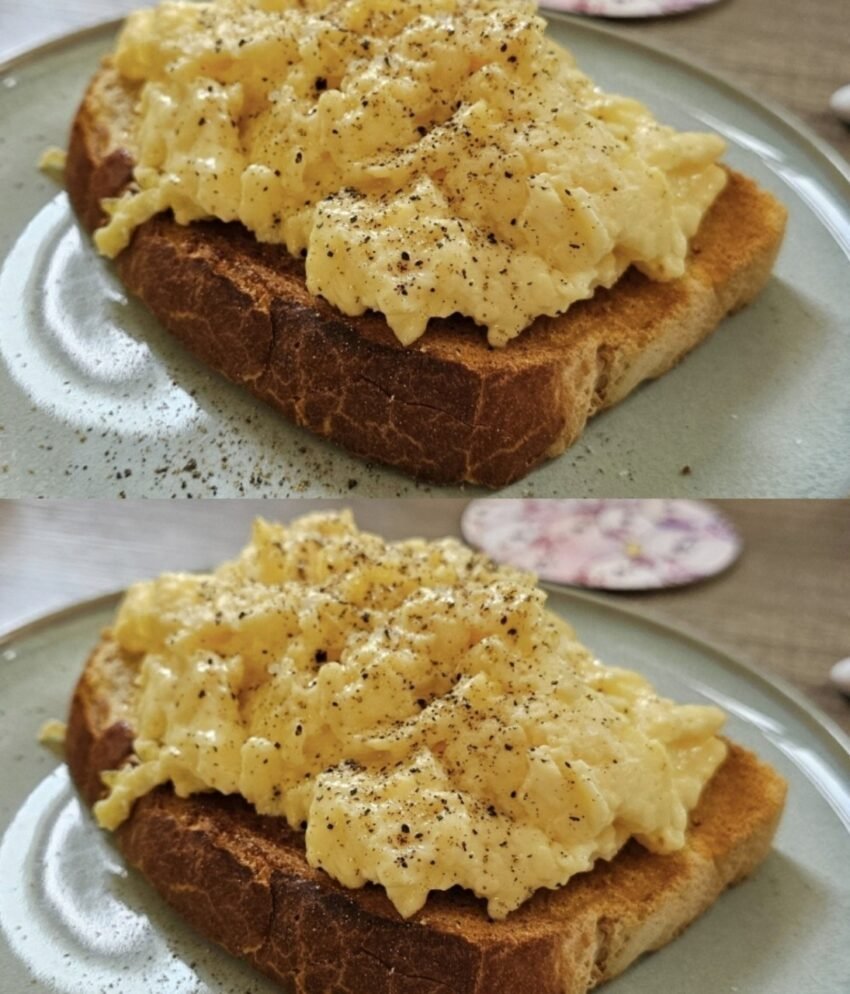
I’m 47 and Just Discovered This Simple Hack for the Fluffiest, Creamiest Scrambled Eggs Ever
Discover the simple scrambled egg hack that makes them ultra fluffy and creamy every time. Easy, family-approved, and perfect for busy mornings.
I Honestly Can’t Believe I Didn’t Know This Sooner
At 47 years old, I thought I had scrambled eggs mastered.
Crack. Whisk. Cook. Done.
That’s how I’ve done it for decades — for rushed school mornings, lazy Sundays, and everything in between.
But last week, I tried one small tweak… and the difference was shocking.
The eggs came out soft, fluffy, and creamy — not dry, not rubbery, not bland. My kids actually paused mid-bite and said, “Wait… why are these so good?”
And then they asked for them again the next morning.
If you’ve ever struggled with scrambled eggs that turn out:
-
Watery
-
Overcooked
-
Flat in flavor
-
Slightly rubbery
You’re going to love this.
The Game-Changing Hack: Low Heat + Cold Butter Cubes
The secret?
Cook the eggs low and slow — and stir in cold butter while they cook.
That’s it.
No fancy equipment. No gourmet ingredients. Just a shift in timing and temperature.
It’s a technique famously associated with chefs like Gordon Ramsay, but you don’t need culinary training to make it work.
Why Most Scrambled Eggs Go Wrong
Before we fix it, let’s understand the problem.
Most home cooks:
-
Cook eggs over medium or high heat
-
Add milk thinking it makes them fluffier
-
Leave them on the heat too long
-
Don’t remove them early enough
High heat forces the proteins to tighten too quickly. That’s what causes dryness and rubbery texture.
Low heat keeps the proteins relaxed — which keeps the eggs soft and creamy.
Step-by-Step: The Perfect Scrambled Eggs
Here’s exactly what I did.
Ingredients (Serves 2–3)
-
6 large eggs
-
1–2 tablespoons cold unsalted butter (cut into small cubes)
-
Salt (added at the end)
-
Fresh cracked pepper (optional)
That’s it. No milk. No cream.
The Method
1. Crack Eggs Directly Into a Cold Pan
Yes, cold. No preheating.
2. Add Butter Cubes on Top
Scatter them across the eggs.
3. Turn Heat to Low
Not medium-low. Low.
4. Stir Constantly with a Silicone Spatula
Scrape the bottom gently as curds begin forming.
5. Remove From Heat Frequently
Every 20–30 seconds, take the pan off the burner while stirring.
This prevents overheating.
6. Stop Cooking Before They Look “Done”
Eggs continue cooking from residual heat.
7. Add Salt at the End
Salting too early can draw out moisture.
Total cook time: about 5–7 minutes.
It feels slower. But the result? Worth it.
What Makes This Method So Different?
Let’s break down the science in simple terms.
Eggs contain proteins that coagulate (firm up) when heated.
High heat:
-
Rapid tightening
-
Moisture loss
-
Firm, dry texture
Low heat:
-
Gradual coagulation
-
Moisture retention
-
Soft, custard-like consistency
Butter helps by:
-
Adding richness
-
Coating proteins
-
Slowing the cooking process
The result is fluffy but creamy — not airy and dry.
Real-Life Morning Test
The first morning I made these, I served them with:
-
Toasted sourdough
-
Sliced avocado
-
Fresh berries
My youngest asked if I “bought different eggs.”
That’s when I knew this wasn’t just hype.
And the best part? It costs nothing extra.
Common Mistakes to Avoid
Even with this method, a few things can go wrong.
❌ Turning the heat up to “speed it up”
Patience matters.
❌ Walking away
You need to stir consistently.
❌ Cooking until fully firm in the pan
They should look slightly underdone when removed.
❌ Adding milk
Milk can dilute flavor and create watery eggs.
Optional Add-Ins (After Cooking)
Once off the heat, you can fold in:
-
Shredded cheddar
-
Fresh chives
-
Goat cheese
-
A dollop of crème fraîche
But try them plain first.
The simplicity is what makes them shine.
Why This Matters for Busy Families
In many U.S. households, mornings are chaotic.
Between school drop-offs, work emails, and endless to-do lists, breakfast often becomes rushed.
But this method:
-
Takes only a few extra minutes
-
Requires no specialty ingredients
-
Feels elevated
-
Makes kids actually excited about eggs
That’s a parenting win.
Pros and Cons of This Technique
| Pros | Cons |
|---|---|
| Ultra creamy texture | Requires attention |
| No extra ingredients needed | Slightly longer cook time |
| Restaurant-quality feel | Not ideal if you need ultra-fast prep |
| Kid-approved |
Frequently Asked Questions
1. Can I use olive oil instead of butter?
Yes, but butter gives the richest texture.
2. Can I make this for a large crowd?
Yes, but cook in batches for best texture.
3. Why no milk?
Milk can make eggs watery and less flavorful.
4. How do I know when they’re done?
They should be soft and slightly glossy — not dry.
5. Can I reheat leftovers?
You can, but they’re best fresh.
6. What type of pan works best?
Nonstick or well-seasoned stainless steel.
7. Are creamy eggs undercooked?
Not if they reach safe temperature. They’re just softly set.
8. Can I add salt earlier?
It’s better at the end to maintain texture.
Expert-Level Tip Most People Don’t Know
If you want even creamier eggs:
Stir in a small spoonful of cold butter right at the end off heat.
It instantly stops the cooking and enhances silkiness.
This small detail makes a noticeable difference.
2026 Breakfast Trend: Simple Done Right
Across the U.S., food trends are shifting toward:
-
High-protein breakfasts
-
Minimal ingredients
-
Quality over complexity
-
Elevated basics
Scrambled eggs done properly fit perfectly into that movement.
Sometimes the upgrade isn’t adding more — it’s doing less, better.
Action Checklist for Tomorrow Morning
✔ Use a cold pan
✔ Keep heat low
✔ Stir constantly
✔ Remove from heat frequently
✔ Stop cooking early
✔ Salt at the end
Tape that to your fridge if you have to.
I’ve been cooking for nearly five decades.
And somehow, this simple shift completely changed how I make scrambled eggs.
They’re softer. Richer. More satisfying. And apparently kid-approved enough to become a repeat request.
If you’ve been making eggs the “fast” way your whole life, try this once.
Just once.
You might never go back.
And if you do try it, I’d love to hear — did your family notice the difference too?