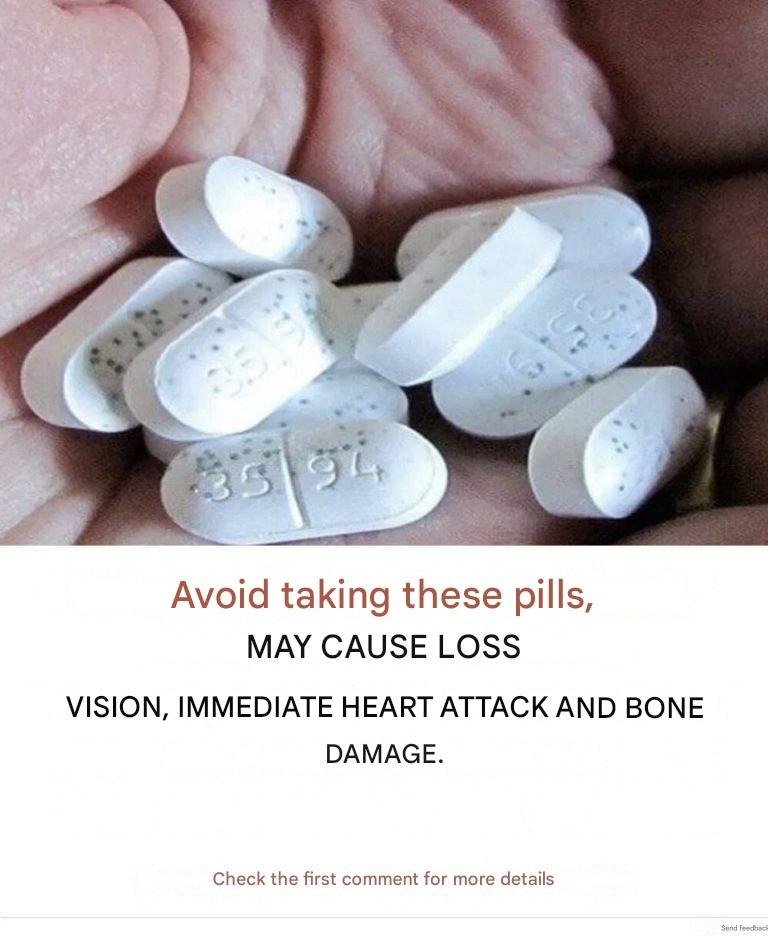
Warning: Some Tablets Can Increase the Risk of Blood Clots, Thrombosis, and Heart Attacks — Here’s What You Need to Know
Certain medications may raise the risk of blood clots or heart attack. Learn which tablets are linked, who’s at risk, and how to protect yourself safely.
A Headline Like This Grabs Attention — For Good Reason
“WARNING! THESE TABLETS CAN CAUSE BLOOD CLOTS, BLOOD THROMBOSIS, AND HEART ATTACKS.”
It’s the kind of statement that makes anyone pause mid-scroll.
And it should.
Blood clots and heart attacks are serious medical events. According to the Centers for Disease Control and Prevention, heart disease remains the leading cause of death in the United States.
But here’s the critical piece many viral posts leave out:
Not all tablets cause clots.
Not everyone is at equal risk.
And in many cases, the benefits outweigh the risks.
Let’s break this down calmly, factually, and clearly — so you know what actually matters.
First: What Is a Blood Clot?
A blood clot (thrombus) is a gel-like mass formed by platelets and proteins in your blood.
Clotting is essential when you’re injured — it stops bleeding.
But when a clot forms unnecessarily inside a blood vessel, it can block circulation.
That’s when it becomes dangerous.
Types include:
-
Deep vein thrombosis (DVT) – usually in the legs
-
Pulmonary embolism (PE) – clot travels to lungs
-
Heart attack – clot blocks coronary artery
-
Stroke – clot blocks blood flow to brain
Which Tablets Are Sometimes Linked to Blood Clot Risk?
Certain medications have been associated with an increased risk of clotting — particularly in specific populations.
Here are some commonly discussed categories:
1. Hormonal Birth Control Pills
Combined oral contraceptives (containing estrogen and progestin) are one of the most widely discussed medications in this context.
Organizations like the U.S. Food and Drug Administration note that estrogen-containing contraceptives can increase the risk of blood clots, especially in women who:
-
Smoke
-
Are over 35
-
Have obesity
-
Have clotting disorders
-
Have a family history of thrombosis
Important context:
The overall risk remains low for most healthy women — but it is higher than in non-users.
2. Hormone Replacement Therapy (HRT)
Postmenopausal hormone therapy has also been associated with increased clot risk in some studies.
Risk depends on:
-
Type of hormone
-
Delivery method (oral vs. patch)
-
Individual medical history
3. Certain Cancer Medications
Some cancer therapies may increase clot risk due to:
-
Effects on blood viscosity
-
Changes in clotting factors
-
Underlying cancer-related clotting risk
Cancer itself increases clot risk independently.
4. Some Anti-Inflammatory Drugs (NSAIDs)
Certain prescription-strength NSAIDs have been associated with increased cardiovascular risk when used long-term or at high doses.
Again, risk depends on:
-
Dosage
-
Duration
-
Patient health history
Why These Warnings Exist
When medications are approved, regulatory agencies require safety labeling if studies show elevated risk — even if that risk is small.
This is not meant to create fear.
It’s meant to promote informed decision-making.
For example:
If 2 out of 10,000 non-users experience a clot
And 6 out of 10,000 users experience a clot
That’s a tripled relative risk — but still a low absolute risk.
Understanding this difference is crucial.
Who Is at Higher Risk for Blood Clots?
Regardless of medication use, risk increases if you:
-
Smoke
-
Are sedentary for long periods
-
Have obesity
-
Recently had surgery
-
Are pregnant
-
Have certain genetic clotting disorders
-
Have heart disease
-
Have uncontrolled diabetes
Many risk factors are modifiable.
Symptoms You Should Never Ignore
Seek medical care immediately if you experience:
-
Sudden chest pain
-
Shortness of breath
-
Swelling or pain in one leg
-
Rapid heartbeat
-
Sudden weakness or numbness
-
Slurred speech
Early intervention saves lives.
Why Viral Warnings Can Be Misleading
Posts that scream:
“THESE TABLETS CAUSE HEART ATTACKS!”
Often leave out:
-
Dosage information
-
Patient population specifics
-
Absolute vs. relative risk
-
Medical context
Fear-based messaging spreads quickly — but it rarely explains nuance.
Real-World Example
Imagine two patients:
Patient A:
-
24 years old
-
Non-smoker
-
No clot history
-
Healthy weight
Patient B:
-
42 years old
-
Smoker
-
High blood pressure
-
Family history of clots
The same medication may carry vastly different risk profiles for each person.
Medicine is personalized — not universal.
2026 Trend: More Personalized Risk Screening
Healthcare in the U.S. is increasingly focused on:
-
Genetic testing
-
Cardiovascular risk scoring
-
Personalized medication planning
Doctors now assess clot risk more carefully before prescribing estrogen-containing medications or long-term NSAIDs.
This reduces preventable complications.
Pros and Cons of Risk Awareness
| Pros | Cons |
|---|---|
| Informed decisions | Can create unnecessary fear |
| Better screening | Viral misinformation spreads |
| Safer prescribing | Patients may stop meds abruptly |
| Improved monitoring |
Stopping medication suddenly without medical advice can be dangerous.
Always consult your healthcare provider before discontinuing prescribed treatment.
Frequently Asked Questions
1. Do all tablets cause blood clots?
No. Only certain medications are associated with increased risk.
2. Should I stop my medication immediately?
No. Speak with your healthcare provider first.
3. How common are medication-related clots?
Generally uncommon — risk varies by medication and individual factors.
4. Can lifestyle reduce clot risk?
Yes. Exercise, not smoking, and maintaining healthy blood pressure significantly reduce risk.
5. Are over-the-counter painkillers risky?
Some may increase cardiovascular risk when used long-term at high doses.
6. Is hormonal birth control dangerous?
For most healthy women, it is considered safe — but individual assessment matters.
7. How can I know my personal risk?
Discuss your medical history and family history with your doctor.
8. Are natural supplements safer?
Not automatically. Some supplements also affect clotting.
Action Checklist: Protect Your Heart Safely
✔ Know your family medical history
✔ Don’t smoke
✔ Stay physically active
✔ Manage blood pressure and cholesterol
✔ Review medications annually with your doctor
✔ Ask about personal clot risk before starting hormones
Yes — certain tablets can increase the risk of blood clots and heart attacks.
But risk is not universal.
It depends on:
-
The specific medication
-
Your personal health profile
-
Dosage and duration
-
Lifestyle factors
Headlines create fear.
Information creates clarity.
If you’re concerned about a specific medication, the safest step is a conversation with your healthcare provider — not a sudden decision based on a viral warning.
Your health deserves nuance, not panic.
If you’ve seen a particular tablet mentioned online, feel free to share it — and we can break down the actual risk profile together.