What Is the Shrimp’s Vein? Everything You Need to Know Before Cooking
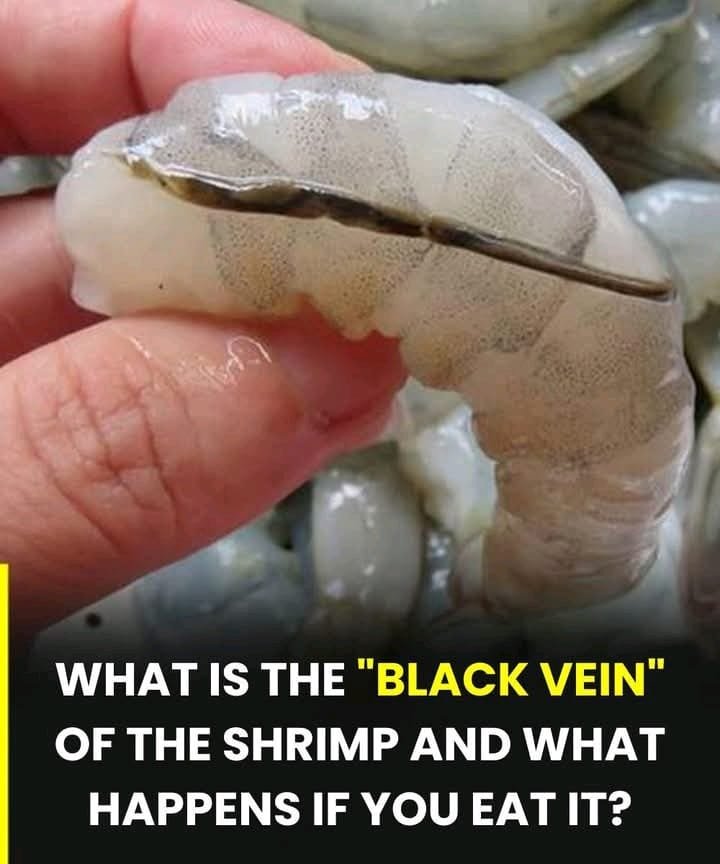
If you’ve ever prepared shrimp at home, you’ve probably noticed a dark line running along the back of the shrimp. Many cooks call it the “vein,” and if you’re like most people, you’ve probably wondered: Is this a vein? Should I remove it?
In reality, the shrimp’s “vein” is one of the most misunderstood parts of this popular seafood. In this guide, we’ll explain what it really is, why it matters, and how to handle it safely and deliciously.
What Is the Shrimp’s Vein?
Despite its name, the shrimp’s vein is not a blood vessel. Biologically, it’s the digestive tract or intestinal tract.
-
Function: It carries partially digested food.
-
Appearance: A dark line along the back of the shrimp, often black or brown.
-
Misnomer: The term “vein” comes from its color and placement, not biology.
Do You Need to Remove It?
-
For taste and texture: Most people remove it because it can be gritty or bitter.
-
For safety: Eating it is not harmful. It’s safe to consume, though some prefer to remove it for presentation or texture.
How to Devein Shrimp: Step by Step
-
Rinse the shrimp under cold water.
-
Use a small knife or shrimp deveiner to make a shallow cut along the back.
-
Lift out the dark line with the tip of the knife.
-
Rinse the shrimp again to remove any residual grit.
Pro tip: In smaller shrimp, the vein may be invisible or tiny. Don’t worry if you can’t see it—it’s okay to cook them as-is.
Why the Vein Sometimes Looks Black, Green, or Brown
-
Black or dark brown: Contains digested food and natural pigments.
-
Green: Often indicates plant matter or algae consumed by the shrimp.
-
Red or pink: Usually in raw shrimp exposed to stress or minor bruising.
In all cases, it’s safe to eat, but removing it will make your dish more visually appealing and pleasant to eat.
Cooking Tips for Shrimp
-
Deveined shrimp cook evenly and look restaurant-ready.
-
For extra flavor, soak shrimp in a lightly seasoned brine before cooking.
-
Avoid overcooking—shrimp cook in just 2–4 minutes, depending on size.
What Is the Shrimp’s Vein?
The “vein” you see running along the back of a shrimp is not actually a vein in the circulatory sense.
-
Scientific name: It’s called the digestive tract or intestinal tract.
-
Function: This is where the shrimp stores and processes food. Essentially, it’s the shrimp’s gut.
-
Appearance: It often looks like a dark line or thread along the back, and in cooked shrimp, it can be more noticeable depending on size and preparation.
Why Is It Called a Vein?
-
The dark color and location along the shrimp’s back can resemble a blood vessel.
-
The term “vein” is a culinary nickname, not a biological one.
Should You Remove It?
-
Yes, for taste and texture: The digestive tract can contain sand, grit, or partially digested food, which might taste gritty or bitter.
-
No, for safety: Eating it is not dangerous—it’s not harmful or toxic. Some recipes even leave it in.
How to Devein a Shrimp
-
Use a small knife or shrimp deveiner.
-
Make a shallow cut along the back.
-
Lift out the dark line with the tip of the knife.
-
Rinse the shrimp under cold water.
Tip: Some smaller shrimp may not have a visible vein, and it’s perfectly fine to cook them as-is.
Fun Fact
-
In very small shrimp, the vein is almost invisible.
-
In larger shrimp (like tiger or jumbo shrimp), it’s more prominent and often removed in restaurants for presentation.
✅ Summary: The shrimp “vein” is actually the shrimp’s digestive tract, not a vein. Removing it improves texture and appearance, but it’s not harmful if left in.
Conclusion
The shrimp’s “vein” is simply the digestive tract, not a blood vessel. Removing it is mostly about taste, texture, and presentation, not safety. Whether you choose to leave it in or take it out, understanding what it is will make you feel confident in the kitchen.
Next time you’re cooking shrimp, take a closer look—it’s a tiny detail that can make a big difference in your meal!