How to Drink Water Properly to Take Care of Your Health
Learn how to drink water the right way for better health, energy, and digestion. Discover expert tips and practical routines for daily hydration.
Introduction
Water is essential for life, yet most Americans don’t drink enough or consume it incorrectly. From boosting energy to improving digestion, proper hydration affects every part of your body.
Drinking water might seem simple, but when, how, and how much you drink can significantly impact your health. In this article, you’ll learn the science-backed ways to stay hydrated, avoid common mistakes, and maximize the benefits of this everyday essential.
Why Proper Water Intake Matters
Water accounts for about 60% of your body weight and is crucial for:
-
Cellular function – Every cell relies on water to function properly.
-
Detoxification – Helps kidneys flush out toxins.
-
Digestive health – Aids in nutrient absorption and prevents constipation.
-
Joint and tissue lubrication – Reduces discomfort and supports mobility.
-
Temperature regulation – Maintains your body’s core temperature through sweat.
Even mild dehydration can cause fatigue, headaches, dry skin, and concentration issues.
How Much Water Should You Drink Daily?
While the common “8 glasses a day” rule is widely known, hydration needs vary depending on:
-
Age and sex
-
Body weight
-
Physical activity levels
-
Climate and temperature
-
Diet (high-sodium or high-protein diets increase water needs)
General guidance:
-
Women: About 2.7 liters (≈11 cups) of total fluids per day
-
Men: About 3.7 liters (≈15 cups) of total fluids per day
Total fluids include water from drinks, soups, and water-rich foods like fruits and vegetables.
Tips for Drinking Water the Right Way
1. Start Your Day with Water
-
Drink a glass (8–12 oz) upon waking to kickstart metabolism and hydrate after hours of fasting.
2. Drink Before Meals
-
15–30 minutes before eating improves digestion and may prevent overeating.
3. Sip, Don’t Chug
-
Drinking water slowly allows better absorption and prevents bloating.
4. Spread Intake Throughout the Day
-
Aim for small amounts every hour rather than all at once.
5. Adjust for Activity
-
Increase water intake before, during, and after exercise to replace fluids lost through sweat.
6. Use Temperature Strategically
-
Warm or room-temperature water is gentler on digestion.
-
Cold water is refreshing but may slow digestion if consumed in large amounts during meals.
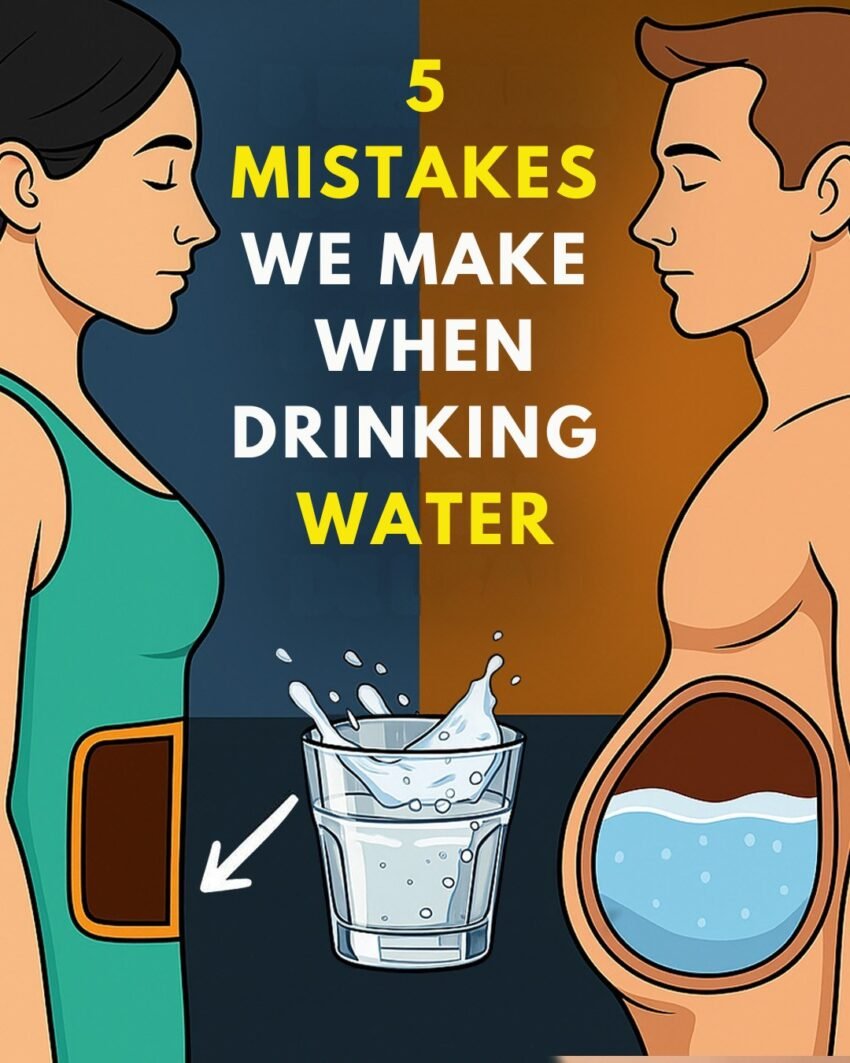
Common Mistakes People Make
-
Waiting Until Thirsty: Thirst is a late sign of dehydration.
-
Overdrinking at Once: Can overwhelm the kidneys and lead to discomfort.
-
Drinking Sugary Beverages Instead: Juice, soda, or sports drinks can add unnecessary sugar.
-
Ignoring Electrolytes: Excessive sweating or illness requires electrolyte replacement, not just plain water.
Practical Hydration Routine
| Time of Day | Water Tip | Benefit |
|---|---|---|
| Morning (6–8 AM) | 1–2 glasses of water on an empty stomach | Kickstarts metabolism and digestion |
| Mid-Morning (9–11 AM) | Small sips regularly | Maintains energy and focus |
| Before Lunch | 1 glass 15–30 minutes prior | Supports digestion and portion control |
| Afternoon (2–4 PM) | Sip steadily | Prevents fatigue and brain fog |
| Pre-Workout | 1–2 glasses 20–30 minutes before exercise | Hydration for performance |
| Post-Workout | Replace lost fluids gradually | Rehydrates muscles and prevents cramps |
| Evening (7–9 PM) | 1 glass, but avoid excessive late intake | Hydration without disrupting sleep |
Hydration and Health Benefits
-
Boosts Energy & Brain Function: Proper hydration improves focus, memory, and reaction time.
-
Supports Weight Management: Drinking water before meals can reduce calorie intake.
-
Promotes Skin Health: Adequate water helps maintain elasticity and hydration.
-
Prevents Headaches: Dehydration is a common trigger for tension headaches and migraines.
-
Improves Digestive Health: Aids in nutrient absorption and reduces constipation risk.
FAQs About Drinking Water Properly
Q1: Can drinking too much water be harmful?
A1: Yes. Overhydration, or water intoxication, can dilute electrolytes and cause serious health issues. Stick to recommended daily amounts.
Q2: Is filtered water better than tap water?
A2: Filtered water removes impurities and may taste better, but both can hydrate effectively if safe.
Q3: Can I drink water during meals?
A3: Yes, small sips help digestion. Avoid large quantities that may dilute stomach acid.
Q4: Does coffee or tea count toward hydration?
A4: Yes, beverages with mild caffeine still contribute to daily fluid intake.
Q5: How do I know if I’m hydrated enough?
A5: Pale yellow urine, good energy levels, and minimal thirst indicate proper hydration.
Q6: Are electrolyte drinks necessary for everyday hydration?
A6: Generally no, unless you exercise heavily, sweat a lot, or are ill.
Q7: Can I drink water at night?
A7: Small amounts are fine, but avoid excessive intake to prevent sleep disruption.
Q8: Should I drink water when I’m not thirsty?
A8: Yes, regular sipping prevents mild dehydration before it starts.
Conclusion
Proper hydration is more than just drinking water—it’s about when, how, and how much. By following simple strategies, you can improve energy, digestion, skin health, and overall wellbeing.
Start with small changes: sip regularly, drink before meals, and adjust for activity. Your body will thank you, and healthy hydration will become second nature.